



ADAC are one of the most respected sources of tires tests for a good reason, they are fully independent, and do things most others cannot do such as wear tests, real world fuel usage tests instead of a machine measurement of rolling resistance, and even ice testing for their all season and winter tests.
For their 2025 winter tire test, ADAC have tested a huge 32 patterns in 225/40 R18. Below is the summary data, be sure to check out the full details on their site.
Test setup & methodology
The test setting, the conditions recorded and how the results contribute to the score.
Recorded test conditions
Recorded test conditions
- Dry Braking
- 62.1 → 0.0 mph
- Wet Braking
- 49.7 → 0.0 mph
- Wet Braking - Concrete
- 49.7 → 0.0 mph
- Snow Braking
- 18.6 → 0.0 mph
- Ice Braking
- 12.4 → 0.0 mph
The stand out results include
- The Goodyear UltraGrip Performance 3 winning the test overall, beating the excellent Michelin Pilot Alpin 5 and Bridgestone Blizzak 6
- The Hankook Winter I*Cept Evo3 once again performing well
- The Goodyear UltraGrip Performance 3 having a predicted treadlife of over 46,603 miles, but still having grip!
- Real world fuel consumption being relatively close between all the tires
- Snow braking not really lining up with ice braking
ADAC are also known for being brutally honest with their tire notes, keep that in mind when reading the summary of their assessment for each tire.
We respect it.
Dry
Dry Braking
Dry Braking
Dry braking in feet (62 - 0 mph)
Lower is better ↓| Position / Tire | Result | Gap to best | Residual speed |
|---|---|---|---|
| 136 ft | Best | 0 mph | |
| 138 ft | +2 ft | 10 mph | |
| 138 ft | +2 ft | 11 mph | |
| 139 ft | +3 ft | 12 mph | |
| 139 ft | +3 ft | 13 mph | |
| 140 ft | +4 ft | 13 mph | |
| 141 ft | +5 ft | 16 mph | |
| 142 ft | +6 ft | 17 mph | |
| 143 ft | +7 ft | 18 mph | |
| 144 ft | +8 ft | 19 mph | |
| 144 ft | +8 ft | 19 mph | |
| 144 ft | +8 ft | 19 mph | |
| 144 ft | +8 ft | 19 mph | |
| 144 ft | +8 ft | 19 mph | |
| 145 ft | +9 ft | 20 mph | |
| 145 ft | +9 ft | 20 mph | |
| 145 ft | +9 ft | 20 mph | |
| 146 ft | +10 ft | 21 mph | |
| 146 ft | +10 ft | 21 mph | |
| 146 ft | +10 ft | 21 mph | |
| 147 ft | +11 ft | 22 mph | |
| 147 ft | +11 ft | 22 mph | |
| 148 ft | +12 ft | 23 mph | |
| 148 ft | +12 ft | 23 mph | |
| 148 ft | +12 ft | 23 mph | |
| 148 ft | +12 ft | 23 mph | |
| 148 ft | +12 ft | 23 mph | |
| 148 ft | +12 ft | 23 mph | |
| 149 ft | +13 ft | 23 mph | |
| 151 ft | +15 ft | 25 mph | |
| 152 ft | +16 ft | 26 mph |
The difference between best and worst was 11.6% (16 ft ≈ 1.1 Car Lengths). From 80 mph, the Evergreen Winter EW66 would still be travelling at 26 mph when the Michelin Pilot Alpin 5 had stopped.
Residual speed is calculated from the measured braking distances, assuming constant deceleration; it is not a separate measurement.
Wet
Wet Braking
Wet Braking
Wet braking in feet (50 - 0 mph)
Lower is better ↓| Position / Tire | Result | Gap to best | Residual speed |
|---|---|---|---|
| 104 ft | Best | 0 mph | |
| 106 ft | +2 ft | 10 mph | |
| 106 ft | +2 ft | 11 mph | |
| 107 ft | +3 ft | 14 mph | |
| 108 ft | +4 ft | 15 mph | |
| 108 ft | +4 ft | 15 mph | |
| 108 ft | +4 ft | 15 mph | |
| 108 ft | +4 ft | 16 mph | |
| 108 ft | +4 ft | 16 mph | |
| 109 ft | +5 ft | 18 mph | |
| 110 ft | +6 ft | 18 mph | |
| 112 ft | +8 ft | 22 mph | |
| 113 ft | +9 ft | 22 mph | |
| 113 ft | +9 ft | 23 mph | |
| 114 ft | +10 ft | 24 mph | |
| 115 ft | +11 ft | 24 mph | |
| 115 ft | +11 ft | 25 mph | |
| 115 ft | +11 ft | 25 mph | |
| 116 ft | +12 ft | 26 mph | |
| 116 ft | +12 ft | 26 mph | |
| 117 ft | +13 ft | 26 mph | |
| 118 ft | +14 ft | 27 mph | |
| 119 ft | +15 ft | 28 mph | |
| 119 ft | +15 ft | 29 mph | |
| 120 ft | +16 ft | 30 mph | |
| 124 ft | +20 ft | 32 mph | |
| 126 ft | +22 ft | 34 mph | |
| 131 ft | +27 ft | 36 mph | |
| 133 ft | +29 ft | 37 mph | |
| 139 ft | +35 ft | 40 mph | |
| 155 ft | +51 ft | 46 mph |
The difference between best and worst was 48.6% (51 ft ≈ 3.4 Car Lengths). From 80 mph, the Syron Everest 2 would still be travelling at 46 mph when the Goodyear UltraGrip Performance 3 had stopped.
Residual speed is calculated from the measured braking distances, assuming constant deceleration; it is not a separate measurement.
Wet Braking - Concrete
Wet Braking - Concrete
Wet braking on Concrete in feet (50 - 0 mph)
Lower is better ↓| Position / Tire | Result | Gap to best | Residual speed |
|---|---|---|---|
| 120 ft | Best | 0 mph | |
| 120 ft | 0 ft | 4 mph | |
| 120 ft | 0 ft | 4 mph | |
| 121 ft | +1 ft | 8 mph | |
| 121 ft | +1 ft | 8 mph | |
| 123 ft | +3 ft | 13 mph | |
| 123 ft | +3 ft | 14 mph | |
| 124 ft | +4 ft | 14 mph | |
| 125 ft | +5 ft | 16 mph | |
| 125 ft | +5 ft | 16 mph | |
| 125 ft | +5 ft | 17 mph | |
| 128 ft | +8 ft | 20 mph | |
| 128 ft | +8 ft | 20 mph | |
| 130 ft | +10 ft | 23 mph | |
| 131 ft | +11 ft | 24 mph | |
| 131 ft | +11 ft | 24 mph | |
| 132 ft | +12 ft | 24 mph | |
| 133 ft | +13 ft | 25 mph | |
| 134 ft | +14 ft | 26 mph | |
| 134 ft | +14 ft | 26 mph | |
| 134 ft | +14 ft | 26 mph | |
| 135 ft | +15 ft | 27 mph | |
| 135 ft | +15 ft | 27 mph | |
| 136 ft | +16 ft | 28 mph | |
| 137 ft | +17 ft | 28 mph | |
| 143 ft | +23 ft | 32 mph | |
| 147 ft | +27 ft | 34 mph | |
| 155 ft | +35 ft | 38 mph | |
| 155 ft | +35 ft | 38 mph | |
| 156 ft | +36 ft | 39 mph | |
| 174 ft | +54 ft | 45 mph |
The difference between best and worst was 45.2% (54 ft ≈ 3.7 Car Lengths). From 80 mph, the Syron Everest 2 would still be travelling at 45 mph when the Bridgestone Blizzak 6 had stopped.
Residual speed is calculated from the measured braking distances, assuming constant deceleration; it is not a separate measurement.
Wet Circle
Wet Circle
Lateral wet grip in m/s squared
Higher is better ↑| Position / Tire | Result | Gap to best |
|---|---|---|
| 6.9 mph | Best | |
| 6.7 mph | -0.2 mph | |
| 6.7 mph | -0.2 mph | |
| 6.5 mph | -0.4 mph | |
| 6.5 mph | -0.4 mph | |
| 6.5 mph | -0.4 mph | |
| 6.0 mph | -0.9 mph | |
| 6.0 mph | -0.9 mph | |
| 5.8 mph | -1.1 mph | |
| 5.8 mph | -1.1 mph | |
| 5.8 mph | -1.1 mph | |
| 5.6 mph | -1.3 mph | |
| 5.6 mph | -1.3 mph | |
| 5.6 mph | -1.3 mph | |
| 5.6 mph | -1.3 mph | |
| 5.6 mph | -1.3 mph | |
| 5.6 mph | -1.3 mph | |
| 5.6 mph | -1.3 mph | |
| 5.6 mph | -1.3 mph | |
| 5.4 mph | -1.5 mph | |
| 5.4 mph | -1.5 mph | |
| 5.4 mph | -1.5 mph | |
| 5.4 mph | -1.5 mph | |
| 5.1 mph | -1.8 mph | |
| 5.1 mph | -1.8 mph | |
| 4.9 mph | -2.0 mph | |
| 4.5 mph | -2.4 mph | |
| 4.5 mph | -2.4 mph | |
| 4.0 mph | -2.9 mph | |
| 2.9 mph | -4.0 mph |
The difference between best and worst was 58.1% (4 mph).
Straight Aqua
Straight Aqua
Float Speed in mph
Higher is better ↑| Position / Tire | Result | Gap to best |
|---|---|---|
| 49.0 mph | Best | |
| 47.9 mph | -1.1 mph | |
| 47.8 mph | -1.2 mph | |
| 46.7 mph | -2.3 mph | |
| 46.7 mph | -2.3 mph | |
| 46.7 mph | -2.3 mph | |
| 46.5 mph | -2.5 mph | |
| 46.4 mph | -2.6 mph | |
| 46.1 mph | -2.9 mph | |
| 46.0 mph | -3.0 mph | |
| 46.0 mph | -3.0 mph | |
| 45.9 mph | -3.1 mph | |
| 45.7 mph | -3.3 mph | |
| 45.6 mph | -3.4 mph | |
| 45.5 mph | -3.5 mph | |
| 45.1 mph | -3.9 mph | |
| 44.9 mph | -4.1 mph | |
| 44.8 mph | -4.2 mph | |
| 44.8 mph | -4.2 mph | |
| 44.7 mph | -4.3 mph | |
| 44.4 mph | -4.6 mph | |
| 44.2 mph | -4.8 mph | |
| 44.2 mph | -4.8 mph | |
| 44.0 mph | -5.0 mph | |
| 42.7 mph | -6.3 mph | |
| 42.2 mph | -6.8 mph | |
| 42.1 mph | -6.9 mph | |
| 42.1 mph | -6.9 mph | |
| 41.5 mph | -7.5 mph | |
| 40.9 mph | -8.1 mph | |
| 38.3 mph | -10.7 mph |
The difference between best and worst was 21.9% (10.7 mph).
Snow
Snow Braking
Snow Braking
Snow braking in feet (19 - 0 mph)
Lower is better ↓| Position / Tire | Result | Gap to best | Residual speed |
|---|---|---|---|
| 30 ft | Best | 0 mph | |
| 31 ft | +1 ft | 12 mph | |
| 31 ft | +1 ft | 12 mph | |
| 31 ft | +1 ft | 14 mph | |
| 31 ft | +1 ft | 14 mph | |
| 31 ft | +1 ft | 16 mph | |
| 31 ft | +1 ft | 16 mph | |
| 32 ft | +2 ft | 18 mph | |
| 32 ft | +2 ft | 18 mph | |
| 32 ft | +2 ft | 18 mph | |
| 32 ft | +2 ft | 18 mph | |
| 32 ft | +2 ft | 18 mph | |
| 32 ft | +2 ft | 18 mph | |
| 32 ft | +2 ft | 18 mph | |
| 32 ft | +2 ft | 18 mph | |
| 32 ft | +2 ft | 18 mph | |
| 32 ft | +2 ft | 18 mph | |
| 32 ft | +2 ft | 18 mph | |
| 32 ft | +2 ft | 20 mph | |
| 32 ft | +2 ft | 20 mph | |
| 32 ft | +2 ft | 20 mph | |
| 32 ft | +2 ft | 21 mph | |
| 33 ft | +3 ft | 23 mph | |
| 33 ft | +3 ft | 23 mph | |
| 33 ft | +3 ft | 23 mph | |
| 34 ft | +4 ft | 26 mph | |
| 34 ft | +4 ft | 26 mph | |
| 34 ft | +4 ft | 27 mph | |
| 34 ft | +4 ft | 28 mph | |
| 36 ft | +6 ft | 32 mph | |
| 40 ft | +10 ft | 40 mph |
The difference between best and worst was 32.6% (10 ft ≈ 0.7 Car Lengths). From 80 mph, the Landsail Winter Lander would still be travelling at 40 mph when the Syron Everest 2 had stopped.
Residual speed is calculated from the measured braking distances, assuming constant deceleration; it is not a separate measurement.
Snow Traction
Snow Traction
Pulling Force in pounds-force
Higher is better ↑| Position / Tire | Result | Gap to best |
|---|---|---|
| 57 lbf | Best | |
| 56 lbf | -1 lbf | |
| 55 lbf | -2 lbf | |
| 55 lbf | -2 lbf | |
| 55 lbf | -2 lbf | |
| 55 lbf | -2 lbf | |
| 55 lbf | -2 lbf | |
| 54 lbf | -3 lbf | |
| 54 lbf | -3 lbf | |
| 54 lbf | -3 lbf | |
| 54 lbf | -3 lbf | |
| 54 lbf | -3 lbf | |
| 54 lbf | -3 lbf | |
| 54 lbf | -3 lbf | |
| 54 lbf | -3 lbf | |
| 53 lbf | -4 lbf | |
| 53 lbf | -4 lbf | |
| 53 lbf | -4 lbf | |
| 53 lbf | -4 lbf | |
| 53 lbf | -4 lbf | |
| 53 lbf | -4 lbf | |
| 52 lbf | -5 lbf | |
| 52 lbf | -5 lbf | |
| 52 lbf | -5 lbf | |
| 51 lbf | -6 lbf | |
| 51 lbf | -6 lbf | |
| 50 lbf | -7 lbf | |
| 50 lbf | -7 lbf | |
| 48 lbf | -9 lbf | |
| 45 lbf | -12 lbf | |
| 42 lbf | -15 lbf |
The difference between best and worst was 27.2% (15 lbf).
Ice
Ice Braking
Ice Braking
Ice braking in feet (12 - 0 mph)
Lower is better ↓| Position / Tire | Result | Gap to best | Residual speed |
|---|---|---|---|
| 50 ft | Best | 0 mph | |
| 51 ft | +1 ft | 11 mph | |
| 52 ft | +2 ft | 16 mph | |
| 52 ft | +2 ft | 17 mph | |
| 52 ft | +2 ft | 18 mph | |
| 53 ft | +3 ft | 19 mph | |
| 53 ft | +3 ft | 20 mph | |
| 53 ft | +3 ft | 21 mph | |
| 54 ft | +4 ft | 23 mph | |
| 55 ft | +5 ft | 24 mph | |
| 55 ft | +5 ft | 24 mph | |
| 55 ft | +5 ft | 24 mph | |
| 55 ft | +5 ft | 24 mph | |
| 55 ft | +5 ft | 25 mph | |
| 55 ft | +5 ft | 25 mph | |
| 55 ft | +5 ft | 25 mph | |
| 55 ft | +5 ft | 25 mph | |
| 56 ft | +6 ft | 26 mph | |
| 56 ft | +6 ft | 26 mph | |
| 56 ft | +6 ft | 26 mph | |
| 57 ft | +7 ft | 28 mph | |
| 57 ft | +7 ft | 28 mph | |
| 57 ft | +7 ft | 28 mph | |
| 57 ft | +7 ft | 28 mph | |
| 57 ft | +7 ft | 29 mph | |
| 58 ft | +8 ft | 31 mph | |
| 59 ft | +9 ft | 32 mph | |
| 60 ft | +10 ft | 32 mph | |
| 63 ft | +13 ft | 36 mph | |
| 63 ft | +13 ft | 37 mph | |
| 69 ft | +19 ft | 42 mph |
The difference between best and worst was 38.8% (19 ft ≈ 1.3 Car Lengths). From 80 mph, the Evergreen Winter EW66 would still be travelling at 42 mph when the Syron Everest 2 had stopped.
Residual speed is calculated from the measured braking distances, assuming constant deceleration; it is not a separate measurement.

Comfort
Noise
Noise
External noise in dB
Lower is better ↓| Position / Tire | Result | Gap to best |
|---|---|---|
| 70.3 dB | Best | |
| 70.9 dB | +0.60 dB | |
| 71.1 dB | +0.80 dB | |
| 71.2 dB | +0.90 dB | |
| 71.4 dB | +1.10 dB | |
| 71.5 dB | +1.20 dB | |
| 71.6 dB | +1.30 dB | |
| 71.6 dB | +1.30 dB | |
| 71.6 dB | +1.30 dB | |
| 71.8 dB | +1.50 dB | |
| 71.9 dB | +1.60 dB | |
| 71.9 dB | +1.60 dB | |
| 72 dB | +1.70 dB | |
| 72.1 dB | +1.80 dB | |
| 72.3 dB | +2.00 dB | |
| 72.4 dB | +2.10 dB | |
| 72.4 dB | +2.10 dB | |
| 72.5 dB | +2.20 dB | |
| 72.7 dB | +2.40 dB | |
| 72.8 dB | +2.50 dB | |
| 72.9 dB | +2.60 dB | |
| 73 dB | +2.70 dB | |
| 73.2 dB | +2.90 dB | |
| 73.3 dB | +3.00 dB | |
| 73.4 dB | +3.10 dB | |
| 74 dB | +3.70 dB | |
| 74.1 dB | +3.80 dB | |
| 74.2 dB | +3.90 dB | |
| 74.3 dB | +4.00 dB | |
| 75.3 dB | +5.00 dB | |
| 75.5 dB | +5.20 dB |
The difference between best and worst was 7.4% (5.2 dB).
Value
Wear
Wear
Predicted tread life in KM
Higher is better ↑| Position / Tire | Result | Gap to best |
|---|---|---|
| 50,331 miles | Best | |
| 47,535 miles | -2,796 miles | |
| 44,987 miles | -5,344 miles | |
| 41,632 miles | -8,699 miles | |
| 41,321 miles | -9,010 miles | |
| 40,141 miles | -10,190 miles | |
| 38,774 miles | -11,557 miles | |
| 38,090 miles | -12,241 miles | |
| 38,028 miles | -12,303 miles | |
| 37,282 miles | -13,049 miles | |
| 36,847 miles | -13,484 miles | |
| 35,853 miles | -14,478 miles | |
| 35,356 miles | -14,975 miles | |
| 34,424 miles | -15,907 miles | |
| 32,995 miles | -17,336 miles | |
| 32,933 miles | -17,398 miles | |
| 32,933 miles | -17,398 miles | |
| 32,746 miles | -17,585 miles | |
| 32,249 miles | -18,082 miles | |
| 32,063 miles | -18,268 miles | |
| 31,690 miles | -18,641 miles | |
| 31,131 miles | -19,200 miles | |
| 30,323 miles | -20,008 miles | |
| 30,074 miles | -20,257 miles | |
| 29,764 miles | -20,567 miles | |
| 29,639 miles | -20,692 miles | |
| 28,769 miles | -21,562 miles | |
| 27,713 miles | -22,618 miles | |
| 27,154 miles | -23,177 miles | |
| 25,973 miles | -24,358 miles | |
| 21,251 miles | -29,080 miles |
The difference between best and worst was 57.8% (29,080 miles).
Fuel Consumption
Fuel Consumption
Fuel consumption in Liters per 100 km
Lower is better ↓| Position / Tire | Result | Gap to best | Extra fuel / year |
|---|---|---|---|
| 5.6 l/100km | Best | $0 | |
| 5.6 l/100km | Best | $0 | |
| 5.6 l/100km | Best | $0 | |
| 5.6 l/100km | Best | $0 | |
| 5.6 l/100km | Best | $0 | |
| 5.6 l/100km | Best | $0 | |
| 5.6 l/100km | Best | $0 | |
| 5.7 l/100km | +0.10 l/100km | $18 | |
| 5.7 l/100km | +0.10 l/100km | $18 | |
| 5.7 l/100km | +0.10 l/100km | $18 | |
| 5.7 l/100km | +0.10 l/100km | $18 | |
| 5.7 l/100km | +0.10 l/100km | $18 | |
| 5.7 l/100km | +0.10 l/100km | $18 | |
| 5.7 l/100km | +0.10 l/100km | $18 | |
| 5.7 l/100km | +0.10 l/100km | $18 | |
| 5.8 l/100km | +0.20 l/100km | $37 | |
| 5.8 l/100km | +0.20 l/100km | $37 | |
| 5.8 l/100km | +0.20 l/100km | $37 | |
| 5.8 l/100km | +0.20 l/100km | $37 | |
| 5.8 l/100km | +0.20 l/100km | $37 | |
| 5.8 l/100km | +0.20 l/100km | $37 | |
| 5.8 l/100km | +0.20 l/100km | $37 | |
| 5.8 l/100km | +0.20 l/100km | $37 | |
| 5.8 l/100km | +0.20 l/100km | $37 | |
| 5.8 l/100km | +0.20 l/100km | $37 | |
| 5.8 l/100km | +0.20 l/100km | $37 | |
| 5.8 l/100km | +0.20 l/100km | $37 | |
| 5.8 l/100km | +0.20 l/100km | $37 | |
| 5.9 l/100km | +0.30 l/100km | $55 | |
| 5.9 l/100km | +0.30 l/100km | $55 | |
| 6 l/100km | +0.40 l/100km | $73 |
The difference between best and worst was 7.1% (0.4 l/100km). Over 12,000 miles a year at $3.60/gal, the Momo North Pole W 20 EUROPA uses about 20 gal ($73) more fuel than the Star Performer Stratos UHP.
Adjust the assumptions
Calculated estimates, not additional measurements. Use the controls to explore the assumptions.
Abrasion
Abrasion
Weight of Tire Wear Particles Lost (mg/km/t)
Lower is better ↓| Position / Tire | Result | Gap to best |
|---|---|---|
| 50 mg/km/t | Best | |
| 50 mg/km/t | Best | |
| 53 mg/km/t | +3.00 mg/km/t | |
| 56 mg/km/t | +6.00 mg/km/t | |
| 57 mg/km/t | +7.00 mg/km/t | |
| 58 mg/km/t | +8.00 mg/km/t | |
| 59 mg/km/t | +9.00 mg/km/t | |
| 60 mg/km/t | +10.00 mg/km/t | |
| 61 mg/km/t | +11.00 mg/km/t | |
| 61 mg/km/t | +11.00 mg/km/t | |
| 62 mg/km/t | +12.00 mg/km/t | |
| 62 mg/km/t | +12.00 mg/km/t | |
| 64 mg/km/t | +14.00 mg/km/t | |
| 64 mg/km/t | +14.00 mg/km/t | |
| 66 mg/km/t | +16.00 mg/km/t | |
| 67 mg/km/t | +17.00 mg/km/t | |
| 68 mg/km/t | +18.00 mg/km/t | |
| 69 mg/km/t | +19.00 mg/km/t | |
| 69 mg/km/t | +19.00 mg/km/t | |
| 70 mg/km/t | +20.00 mg/km/t | |
| 71 mg/km/t | +21.00 mg/km/t | |
| 71 mg/km/t | +21.00 mg/km/t | |
| 72 mg/km/t | +22.00 mg/km/t | |
| 73 mg/km/t | +23.00 mg/km/t | |
| 75 mg/km/t | +25.00 mg/km/t | |
| 76 mg/km/t | +26.00 mg/km/t | |
| 77 mg/km/t | +27.00 mg/km/t | |
| 77 mg/km/t | +27.00 mg/km/t | |
| 85 mg/km/t | +35.00 mg/km/t | |
| 86 mg/km/t | +36.00 mg/km/t | |
| 88 mg/km/t | +38.00 mg/km/t |
The difference between best and worst was 76% (38 mg/km/t).
Results
Goodyear UltraGrip Performance 3
225/40 R18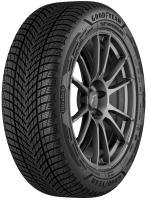
Category scores (% of best)
All discipline results (12)
Discipline positions compare the ranked tires in this test, not the whole market. These are individual measurements, not weighted overall scores.
| Test | Position in discipline | Result | Gap to best |
|---|---|---|---|
| Dry BrakingLower is better | 4th / 31 | 139 ft | +3 ft |
| Wet BrakingLower is better | 1st / 31 | 104 ft | Best in this discipline |
| Wet Braking - ConcreteLower is better | 2nd / 31 | 120 ft | 0 ft |
| Wet CircleHigher is better | 2nd / 30 | 6.7 mph | -0.2 mph |
| Straight AquaHigher is better | 2nd / 31 | 47.9 mph | -1.1 mph |
| Snow BrakingLower is better | 8th / 31 | 32 ft | +2 ft |
| Snow TractionHigher is better | 8th / 31 | 54 lbf | -3 lbf |
| Ice BrakingLower is better | 10th / 31 | 55 ft | +5 ft |
| NoiseLower is better | 4th / 31 | 71.2 dB | +0.90 dB |
| WearHigher is better | 2nd / 31 | 47,535 miles | -2,796 miles |
| Fuel ConsumptionLower is better | 16th / 31 | 5.8 l/100km | +0.20 l/100km |
| AbrasionLower is better | 1st / 31 | 50 mg/km/t | Best in this discipline |
- EU Label
- D/B/71
- Origin
- Germany
- 3PMSF
- Yes
- Price
- 171.00
Michelin Pilot Alpin 5
225/40 R18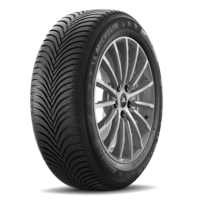
Category scores (% of best)
All discipline results (12)
Discipline positions compare the ranked tires in this test, not the whole market. These are individual measurements, not weighted overall scores.
| Test | Position in discipline | Result | Gap to best |
|---|---|---|---|
| Dry BrakingLower is better | 1st / 31 | 136 ft | Best in this discipline |
| Wet BrakingLower is better | 2nd / 31 | 106 ft | +2 ft |
| Wet Braking - ConcreteLower is better | 4th / 31 | 121 ft | +1 ft |
| Wet CircleHigher is better | 20th / 30 | 5.4 mph | -1.5 mph |
| Straight AquaHigher is better | 4th / 31 | 46.7 mph | -2.3 mph |
| Snow BrakingLower is better | 2nd / 31 | 31 ft | +1 ft |
| Snow TractionHigher is better | 3rd / 31 | 55 lbf | -2 lbf |
| Ice BrakingLower is better | 8th / 31 | 53 ft | +3 ft |
| NoiseLower is better | 6th / 31 | 71.5 dB | +1.20 dB |
| WearHigher is better | 4th / 31 | 41,632 miles | -8,699 miles |
| Fuel ConsumptionLower is better | 16th / 31 | 5.8 l/100km | +0.20 l/100km |
| AbrasionLower is better | 1st / 31 | 50 mg/km/t | Best in this discipline |
- EU Label
- D/B/70
- Origin
- Spain
- 3PMSF
- Yes
- Price
- 177.00
Bridgestone Blizzak 6
225/40 R18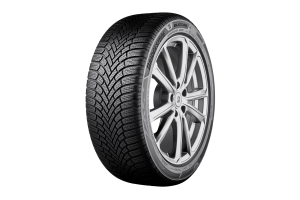
Category scores (% of best)
All discipline results (12)
Discipline positions compare the ranked tires in this test, not the whole market. These are individual measurements, not weighted overall scores.
| Test | Position in discipline | Result | Gap to best |
|---|---|---|---|
| Dry BrakingLower is better | 10th / 31 | 144 ft | +8 ft |
| Wet BrakingLower is better | 3rd / 31 | 106 ft | +2 ft |
| Wet Braking - ConcreteLower is better | 1st / 31 | 120 ft | Best in this discipline |
| Wet CircleHigher is better | 4th / 30 | 6.5 mph | -0.4 mph |
| Straight AquaHigher is better | 7th / 31 | 46.5 mph | -2.5 mph |
| Snow BrakingLower is better | 6th / 31 | 31 ft | +1 ft |
| Snow TractionHigher is better | 11th / 31 | 54 lbf | -3 lbf |
| Ice BrakingLower is better | 7th / 31 | 53 ft | +3 ft |
| NoiseLower is better | 16th / 31 | 72.4 dB | +2.10 dB |
| WearHigher is better | 12th / 31 | 35,853 miles | -14,478 miles |
| Fuel ConsumptionLower is better | 16th / 31 | 5.8 l/100km | +0.20 l/100km |
| AbrasionLower is better | 11th / 31 | 62 mg/km/t | +12.00 mg/km/t |
- EU Label
- C/B/70
- Origin
- Poland
- 3PMSF
- Yes
- Price
- 167.00
Hankook Winter i cept evo3
225/40 R18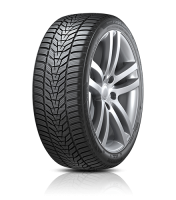
Category scores (% of best)
All discipline results (12)
Discipline positions compare the ranked tires in this test, not the whole market. These are individual measurements, not weighted overall scores.
| Test | Position in discipline | Result | Gap to best |
|---|---|---|---|
| Dry BrakingLower is better | 9th / 31 | 143 ft | +7 ft |
| Wet BrakingLower is better | 6th / 31 | 108 ft | +4 ft |
| Wet Braking - ConcreteLower is better | 6th / 31 | 123 ft | +3 ft |
| Wet CircleHigher is better | 4th / 30 | 6.5 mph | -0.4 mph |
| Straight AquaHigher is better | 10th / 31 | 46.0 mph | -3.0 mph |
| Snow BrakingLower is better | 8th / 31 | 32 ft | +2 ft |
| Snow TractionHigher is better | 13th / 31 | 54 lbf | -3 lbf |
| Ice BrakingLower is better | 21st / 31 | 57 ft | +7 ft |
| NoiseLower is better | 30th / 31 | 75.3 dB | +5.00 dB |
| WearHigher is better | 3rd / 31 | 44,987 miles | -5,344 miles |
| Fuel ConsumptionLower is better | 8th / 31 | 5.7 l/100km | +0.10 l/100km |
| AbrasionLower is better | 4th / 31 | 56 mg/km/t | +6.00 mg/km/t |
- EU Label
- D/B/72
- Origin
- Hungary
- 3PMSF
- Yes
- Price
- 140.00
Dunlop Winter Sport 5
225/40 R18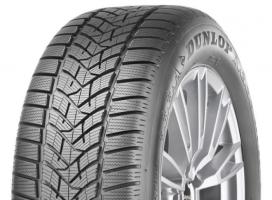
Category scores (% of best)
All discipline results (12)
Discipline positions compare the ranked tires in this test, not the whole market. These are individual measurements, not weighted overall scores.
| Test | Position in discipline | Result | Gap to best |
|---|---|---|---|
| Dry BrakingLower is better | 14th / 31 | 144 ft | +8 ft |
| Wet BrakingLower is better | 13th / 31 | 113 ft | +9 ft |
| Wet Braking - ConcreteLower is better | 12th / 31 | 128 ft | +8 ft |
| Wet CircleHigher is better | 2nd / 30 | 6.7 mph | -0.2 mph |
| Straight AquaHigher is better | 15th / 31 | 45.5 mph | -3.5 mph |
| Snow BrakingLower is better | 4th / 31 | 31 ft | +1 ft |
| Snow TractionHigher is better | 10th / 31 | 54 lbf | -3 lbf |
| Ice BrakingLower is better | 14th / 31 | 55 ft | +5 ft |
| NoiseLower is better | 27th / 31 | 74.1 dB | +3.80 dB |
| WearHigher is better | 8th / 31 | 38,090 miles | -12,241 miles |
| Fuel ConsumptionLower is better | 8th / 31 | 5.7 l/100km | +0.10 l/100km |
| AbrasionLower is better | 16th / 31 | 67 mg/km/t | +17.00 mg/km/t |
- EU Label
- D/C/72
- Origin
- Germany
- 3PMSF
- Yes
- Price
- 169.00
Continental WinterContact TS 870 P
225/40 R18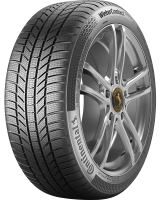
Category scores (% of best)
All discipline results (12)
Discipline positions compare the ranked tires in this test, not the whole market. These are individual measurements, not weighted overall scores.
| Test | Position in discipline | Result | Gap to best |
|---|---|---|---|
| Dry BrakingLower is better | 6th / 31 | 140 ft | +4 ft |
| Wet BrakingLower is better | 8th / 31 | 108 ft | +4 ft |
| Wet Braking - ConcreteLower is better | 9th / 31 | 125 ft | +5 ft |
| Wet CircleHigher is better | 7th / 30 | 6.0 mph | -0.9 mph |
| Straight AquaHigher is better | 4th / 31 | 46.7 mph | -2.3 mph |
| Snow BrakingLower is better | 19th / 31 | 32 ft | +2 ft |
| Snow TractionHigher is better | 17th / 31 | 53 lbf | -4 lbf |
| Ice BrakingLower is better | 27th / 31 | 59 ft | +9 ft |
| NoiseLower is better | 10th / 31 | 71.8 dB | +1.50 dB |
| WearHigher is better | 15th / 31 | 32,995 miles | -17,336 miles |
| Fuel ConsumptionLower is better | 1st / 31 | 5.6 l/100km | Best in this discipline |
| AbrasionLower is better | 8th / 31 | 60 mg/km/t | +10.00 mg/km/t |
- EU Label
- C/B/71
- Origin
- France/Romania
- 3PMSF
- Yes
- Price
- 177.00
Kleber Krisalp HP3
225/40 R18
Category scores (% of best)
All discipline results (12)
Discipline positions compare the ranked tires in this test, not the whole market. These are individual measurements, not weighted overall scores.
| Test | Position in discipline | Result | Gap to best |
|---|---|---|---|
| Dry BrakingLower is better | 16th / 31 | 145 ft | +9 ft |
| Wet BrakingLower is better | 17th / 31 | 115 ft | +11 ft |
| Wet Braking - ConcreteLower is better | 19th / 31 | 134 ft | +14 ft |
| Wet CircleHigher is better | 9th / 30 | 5.8 mph | -1.1 mph |
| Straight AquaHigher is better | 3rd / 31 | 47.8 mph | -1.2 mph |
| Snow BrakingLower is better | 2nd / 31 | 31 ft | +1 ft |
| Snow TractionHigher is better | 2nd / 31 | 56 lbf | -1 lbf |
| Ice BrakingLower is better | 14th / 31 | 55 ft | +5 ft |
| NoiseLower is better | 11th / 31 | 71.9 dB | +1.60 dB |
| WearHigher is better | 18th / 31 | 32,746 miles | -17,585 miles |
| Fuel ConsumptionLower is better | 8th / 31 | 5.7 l/100km | +0.10 l/100km |
| AbrasionLower is better | 13th / 31 | 64 mg/km/t | +14.00 mg/km/t |
- EU Label
- D/B/69
- Origin
- Romania
- 3PMSF
- Yes
- Price
- 143.00
Nokian Snowproof P
225/40 R18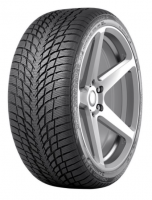
Category scores (% of best)
All discipline results (12)
Discipline positions compare the ranked tires in this test, not the whole market. These are individual measurements, not weighted overall scores.
| Test | Position in discipline | Result | Gap to best |
|---|---|---|---|
| Dry BrakingLower is better | 3rd / 31 | 138 ft | +2 ft |
| Wet BrakingLower is better | 11th / 31 | 110 ft | +6 ft |
| Wet Braking - ConcreteLower is better | 8th / 31 | 124 ft | +4 ft |
| Wet CircleHigher is better | 27th / 30 | 4.5 mph | -2.4 mph |
| Straight AquaHigher is better | 27th / 31 | 42.1 mph | -6.9 mph |
| Snow BrakingLower is better | 23rd / 31 | 33 ft | +3 ft |
| Snow TractionHigher is better | 25th / 31 | 51 lbf | -6 lbf |
| Ice BrakingLower is better | 5th / 31 | 52 ft | +2 ft |
| NoiseLower is better | 2nd / 31 | 70.9 dB | +0.60 dB |
| WearHigher is better | 20th / 31 | 32,063 miles | -18,268 miles |
| Fuel ConsumptionLower is better | 8th / 31 | 5.7 l/100km | +0.10 l/100km |
| AbrasionLower is better | 9th / 31 | 61 mg/km/t | +11.00 mg/km/t |
- EU Label
- C/B/70
- Origin
- Finland
- 3PMSF
- Yes
- Price
- 148.00
Momo North Pole W 20 EUROPA
225/40 R18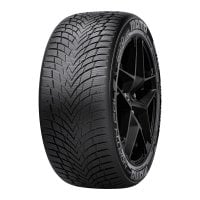
Category scores (% of best)
All discipline results (12)
Discipline positions compare the ranked tires in this test, not the whole market. These are individual measurements, not weighted overall scores.
| Test | Position in discipline | Result | Gap to best |
|---|---|---|---|
| Dry BrakingLower is better | 7th / 31 | 141 ft | +5 ft |
| Wet BrakingLower is better | 4th / 31 | 107 ft | +3 ft |
| Wet Braking - ConcreteLower is better | 2nd / 31 | 120 ft | 0 ft |
| Wet CircleHigher is better | 24th / 30 | 5.1 mph | -1.8 mph |
| Straight AquaHigher is better | 22nd / 31 | 44.2 mph | -4.8 mph |
| Snow BrakingLower is better | 19th / 31 | 32 ft | +2 ft |
| Snow TractionHigher is better | 21st / 31 | 53 lbf | -4 lbf |
| Ice BrakingLower is better | 10th / 31 | 55 ft | +5 ft |
| NoiseLower is better | 5th / 31 | 71.4 dB | +1.10 dB |
| WearHigher is better | 9th / 31 | 38,028 miles | -12,303 miles |
| Fuel ConsumptionLower is better | 31st / 31 | 6 l/100km | +0.40 l/100km |
| AbrasionLower is better | 9th / 31 | 61 mg/km/t | +11.00 mg/km/t |
- EU Label
- D/B/72
- Origin
- Serbia
- 3PMSF
- Yes
- Price
- 115.00
Ceat WinterDrive
225/40 R18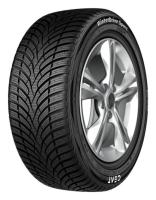
Category scores (% of best)
All discipline results (12)
Discipline positions compare the ranked tires in this test, not the whole market. These are individual measurements, not weighted overall scores.
| Test | Position in discipline | Result | Gap to best |
|---|---|---|---|
| Dry BrakingLower is better | 2nd / 31 | 138 ft | +2 ft |
| Wet BrakingLower is better | 14th / 31 | 113 ft | +9 ft |
| Wet Braking - ConcreteLower is better | 14th / 31 | 130 ft | +10 ft |
| Wet CircleHigher is better | 12th / 30 | 5.6 mph | -1.3 mph |
| Straight AquaHigher is better | 21st / 31 | 44.4 mph | -4.6 mph |
| Snow BrakingLower is better | 8th / 31 | 32 ft | +2 ft |
| Snow TractionHigher is better | 3rd / 31 | 55 lbf | -2 lbf |
| Ice BrakingLower is better | 2nd / 31 | 51 ft | +1 ft |
| NoiseLower is better | 7th / 31 | 71.6 dB | +1.30 dB |
| WearHigher is better | 6th / 31 | 40,141 miles | -10,190 miles |
| Fuel ConsumptionLower is better | 16th / 31 | 5.8 l/100km | +0.20 l/100km |
| AbrasionLower is better | 13th / 31 | 64 mg/km/t | +14.00 mg/km/t |
- EU Label
- D/C/70
- Origin
- India
- 3PMSF
- Yes
- Price
- 136.00
Matador MP93 Nordicca
225/40 R18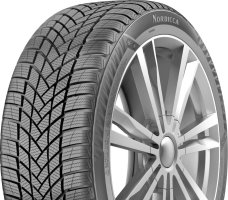
Category scores (% of best)
All discipline results (12)
Discipline positions compare the ranked tires in this test, not the whole market. These are individual measurements, not weighted overall scores.
| Test | Position in discipline | Result | Gap to best |
|---|---|---|---|
| Dry BrakingLower is better | 25th / 31 | 148 ft | +12 ft |
| Wet BrakingLower is better | 16th / 31 | 115 ft | +11 ft |
| Wet Braking - ConcreteLower is better | 21st / 31 | 134 ft | +14 ft |
| Wet CircleHigher is better | 20th / 30 | 5.4 mph | -1.5 mph |
| Straight AquaHigher is better | 17th / 31 | 44.9 mph | -4.1 mph |
| Snow BrakingLower is better | 8th / 31 | 32 ft | +2 ft |
| Snow TractionHigher is better | 8th / 31 | 54 lbf | -3 lbf |
| Ice BrakingLower is better | 14th / 31 | 55 ft | +5 ft |
| NoiseLower is better | 3rd / 31 | 71.1 dB | +0.80 dB |
| WearHigher is better | 22nd / 31 | 31,131 miles | -19,200 miles |
| Fuel ConsumptionLower is better | 1st / 31 | 5.6 l/100km | Best in this discipline |
| AbrasionLower is better | 21st / 31 | 71 mg/km/t | +21.00 mg/km/t |
- EU Label
- C/C/72
- Origin
- France
- 3PMSF
- Yes
- Price
- 110.00
Uniroyal WinterExpert
225/40 R18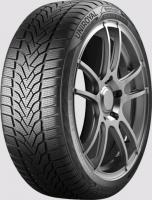
Category scores (% of best)
All discipline results (12)
Discipline positions compare the ranked tires in this test, not the whole market. These are individual measurements, not weighted overall scores.
| Test | Position in discipline | Result | Gap to best |
|---|---|---|---|
| Dry BrakingLower is better | 12th / 31 | 144 ft | +8 ft |
| Wet BrakingLower is better | 6th / 31 | 108 ft | +4 ft |
| Wet Braking - ConcreteLower is better | 10th / 31 | 125 ft | +5 ft |
| Wet CircleHigher is better | 9th / 30 | 5.8 mph | -1.1 mph |
| Straight AquaHigher is better | 18th / 31 | 44.8 mph | -4.2 mph |
| Snow BrakingLower is better | 8th / 31 | 32 ft | +2 ft |
| Snow TractionHigher is better | 19th / 31 | 53 lbf | -4 lbf |
| Ice BrakingLower is better | 21st / 31 | 57 ft | +7 ft |
| NoiseLower is better | 23rd / 31 | 73.2 dB | +2.90 dB |
| WearHigher is better | 16th / 31 | 32,933 miles | -17,398 miles |
| Fuel ConsumptionLower is better | 16th / 31 | 5.8 l/100km | +0.20 l/100km |
| AbrasionLower is better | 18th / 31 | 69 mg/km/t | +19.00 mg/km/t |
- EU Label
- D/B/72
- Origin
- France
- 3PMSF
- Yes
- Price
- 143.00
Fulda Kristall Control HP2
225/40 R18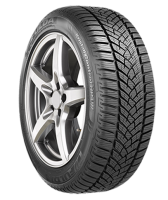
Category scores (% of best)
All discipline results (12)
Discipline positions compare the ranked tires in this test, not the whole market. These are individual measurements, not weighted overall scores.
| Test | Position in discipline | Result | Gap to best |
|---|---|---|---|
| Dry BrakingLower is better | 29th / 31 | 149 ft | +13 ft |
| Wet BrakingLower is better | 22nd / 31 | 118 ft | +14 ft |
| Wet Braking - ConcreteLower is better | 15th / 31 | 131 ft | +11 ft |
| Wet CircleHigher is better | 4th / 30 | 6.5 mph | -0.4 mph |
| Straight AquaHigher is better | 10th / 31 | 46.0 mph | -3.0 mph |
| Snow BrakingLower is better | 8th / 31 | 32 ft | +2 ft |
| Snow TractionHigher is better | 6th / 31 | 55 lbf | -2 lbf |
| Ice BrakingLower is better | 18th / 31 | 56 ft | +6 ft |
| NoiseLower is better | 29th / 31 | 74.3 dB | +4.00 dB |
| WearHigher is better | 13th / 31 | 35,356 miles | -14,975 miles |
| Fuel ConsumptionLower is better | 16th / 31 | 5.8 l/100km | +0.20 l/100km |
| AbrasionLower is better | 18th / 31 | 69 mg/km/t | +19.00 mg/km/t |
- EU Label
- D/C/72
- Origin
- Germany
- 3PMSF
- Yes
- Price
- 143.00
GT Radial WinterPro2 Sport
225/40 R18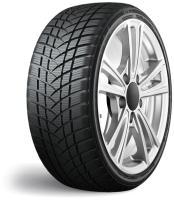
Category scores (% of best)
All discipline results (12)
Discipline positions compare the ranked tires in this test, not the whole market. These are individual measurements, not weighted overall scores.
| Test | Position in discipline | Result | Gap to best |
|---|---|---|---|
| Dry BrakingLower is better | 23rd / 31 | 148 ft | +12 ft |
| Wet BrakingLower is better | 23rd / 31 | 119 ft | +15 ft |
| Wet Braking - ConcreteLower is better | 20th / 31 | 134 ft | +14 ft |
| Wet CircleHigher is better | 12th / 30 | 5.6 mph | -1.3 mph |
| Straight AquaHigher is better | 14th / 31 | 45.6 mph | -3.4 mph |
| Snow BrakingLower is better | 8th / 31 | 32 ft | +2 ft |
| Snow TractionHigher is better | 16th / 31 | 53 lbf | -4 lbf |
| Ice BrakingLower is better | 18th / 31 | 56 ft | +6 ft |
| NoiseLower is better | 20th / 31 | 72.8 dB | +2.50 dB |
| WearHigher is better | 28th / 31 | 27,713 miles | -22,618 miles |
| Fuel ConsumptionLower is better | 16th / 31 | 5.8 l/100km | +0.20 l/100km |
| AbrasionLower is better | 27th / 31 | 77 mg/km/t | +27.00 mg/km/t |
- EU Label
- D/B/70
- Origin
- China
- 3PMSF
- Yes
- Price
- 130.00
Semperit Speed Grip 5
225/40 R18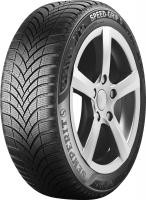
Category scores (% of best)
All discipline results (12)
Discipline positions compare the ranked tires in this test, not the whole market. These are individual measurements, not weighted overall scores.
| Test | Position in discipline | Result | Gap to best |
|---|---|---|---|
| Dry BrakingLower is better | 17th / 31 | 145 ft | +9 ft |
| Wet BrakingLower is better | 10th / 31 | 109 ft | +5 ft |
| Wet Braking - ConcreteLower is better | 7th / 31 | 123 ft | +3 ft |
| Wet CircleHigher is better | 9th / 30 | 5.8 mph | -1.1 mph |
| Straight AquaHigher is better | 9th / 31 | 46.1 mph | -2.9 mph |
| Snow BrakingLower is better | 6th / 31 | 31 ft | +1 ft |
| Snow TractionHigher is better | 19th / 31 | 53 lbf | -4 lbf |
| Ice BrakingLower is better | 18th / 31 | 56 ft | +6 ft |
| NoiseLower is better | 28th / 31 | 74.2 dB | +3.90 dB |
| WearHigher is better | 25th / 31 | 29,764 miles | -20,567 miles |
| Fuel ConsumptionLower is better | 16th / 31 | 5.8 l/100km | +0.20 l/100km |
| AbrasionLower is better | 15th / 31 | 66 mg/km/t | +16.00 mg/km/t |
- EU Label
- D/B/72
- Origin
- France
- 3PMSF
- Yes
- Price
- 142.00
Giti GitiWinterW2
225/40 R18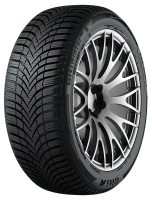
Category scores (% of best)
All discipline results (12)
Discipline positions compare the ranked tires in this test, not the whole market. These are individual measurements, not weighted overall scores.
| Test | Position in discipline | Result | Gap to best |
|---|---|---|---|
| Dry BrakingLower is better | 26th / 31 | 148 ft | +12 ft |
| Wet BrakingLower is better | 15th / 31 | 114 ft | +10 ft |
| Wet Braking - ConcreteLower is better | 15th / 31 | 131 ft | +11 ft |
| Wet CircleHigher is better | 1st / 30 | 6.9 mph | Best in this discipline |
| Straight AquaHigher is better | 1st / 31 | 49.0 mph | Best in this discipline |
| Snow BrakingLower is better | 23rd / 31 | 33 ft | +3 ft |
| Snow TractionHigher is better | 23rd / 31 | 52 lbf | -5 lbf |
| Ice BrakingLower is better | 26th / 31 | 58 ft | +8 ft |
| NoiseLower is better | 18th / 31 | 72.5 dB | +2.20 dB |
| WearHigher is better | 29th / 31 | 27,154 miles | -23,177 miles |
| Fuel ConsumptionLower is better | 16th / 31 | 5.8 l/100km | +0.20 l/100km |
| AbrasionLower is better | 30th / 31 | 86 mg/km/t | +36.00 mg/km/t |
- EU Label
- D/B/71
- Origin
- China
- 3PMSF
- Yes
- Price
- 136.00
Point S Winter S
225/40 R18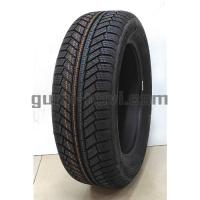
Category scores (% of best)
All discipline results (12)
Discipline positions compare the ranked tires in this test, not the whole market. These are individual measurements, not weighted overall scores.
| Test | Position in discipline | Result | Gap to best |
|---|---|---|---|
| Dry BrakingLower is better | 19th / 31 | 146 ft | +10 ft |
| Wet BrakingLower is better | 17th / 31 | 115 ft | +11 ft |
| Wet Braking - ConcreteLower is better | 18th / 31 | 133 ft | +13 ft |
| Wet CircleHigher is better | 20th / 30 | 5.4 mph | -1.5 mph |
| Straight AquaHigher is better | 13th / 31 | 45.7 mph | -3.3 mph |
| Snow BrakingLower is better | 8th / 31 | 32 ft | +2 ft |
| Snow TractionHigher is better | 13th / 31 | 54 lbf | -3 lbf |
| Ice BrakingLower is better | 10th / 31 | 55 ft | +5 ft |
| NoiseLower is better | 1st / 31 | 70.3 dB | Best in this discipline |
| WearHigher is better | 16th / 31 | 32,933 miles | -17,398 miles |
| Fuel ConsumptionLower is better | 1st / 31 | 5.6 l/100km | Best in this discipline |
| AbrasionLower is better | 20th / 31 | 70 mg/km/t | +20.00 mg/km/t |
- EU Label
- C/C/72
- Origin
- Slovakia
- 3PMSF
- Yes
- Price
- 121.00
Firestone Winterhawk 4
225/40 R18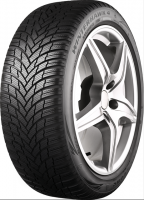
Category scores (% of best)
All discipline results (12)
Discipline positions compare the ranked tires in this test, not the whole market. These are individual measurements, not weighted overall scores.
| Test | Position in discipline | Result | Gap to best |
|---|---|---|---|
| Dry BrakingLower is better | 26th / 31 | 148 ft | +12 ft |
| Wet BrakingLower is better | 8th / 31 | 108 ft | +4 ft |
| Wet Braking - ConcreteLower is better | 11th / 31 | 125 ft | +5 ft |
| Wet CircleHigher is better | 24th / 30 | 5.1 mph | -1.8 mph |
| Straight AquaHigher is better | 12th / 31 | 45.9 mph | -3.1 mph |
| Snow BrakingLower is better | 8th / 31 | 32 ft | +2 ft |
| Snow TractionHigher is better | 6th / 31 | 55 lbf | -2 lbf |
| Ice BrakingLower is better | 6th / 31 | 53 ft | +3 ft |
| NoiseLower is better | 21st / 31 | 72.9 dB | +2.60 dB |
| WearHigher is better | 23rd / 31 | 30,323 miles | -20,008 miles |
| Fuel ConsumptionLower is better | 8th / 31 | 5.7 l/100km | +0.10 l/100km |
| AbrasionLower is better | 23rd / 31 | 72 mg/km/t | +22.00 mg/km/t |
- EU Label
- D/B/71
- Origin
- Italy
- 3PMSF
- Yes
- Price
- 135.00
Maxxis Premitra Snow WP6
225/40 R18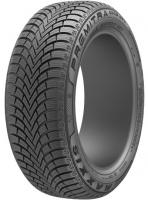
Category scores (% of best)
All discipline results (12)
Discipline positions compare the ranked tires in this test, not the whole market. These are individual measurements, not weighted overall scores.
| Test | Position in discipline | Result | Gap to best |
|---|---|---|---|
| Dry BrakingLower is better | 26th / 31 | 148 ft | +12 ft |
| Wet BrakingLower is better | 24th / 31 | 119 ft | +15 ft |
| Wet Braking - ConcreteLower is better | 22nd / 31 | 135 ft | +15 ft |
| Wet CircleHigher is better | 7th / 30 | 6.0 mph | -0.9 mph |
| Straight AquaHigher is better | 8th / 31 | 46.4 mph | -2.6 mph |
| Snow BrakingLower is better | 8th / 31 | 32 ft | +2 ft |
| Snow TractionHigher is better | 22nd / 31 | 52 lbf | -5 lbf |
| Ice BrakingLower is better | 25th / 31 | 57 ft | +7 ft |
| NoiseLower is better | 22nd / 31 | 73 dB | +2.70 dB |
| WearHigher is better | 7th / 31 | 38,774 miles | -11,557 miles |
| Fuel ConsumptionLower is better | 1st / 31 | 5.6 l/100km | Best in this discipline |
| AbrasionLower is better | 7th / 31 | 59 mg/km/t | +9.00 mg/km/t |
- EU Label
- D/B/70
- Origin
- China
- 3PMSF
- Yes
- Price
- 112.00
Apollo Aspire XP Winter
225/40 R18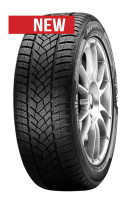
Category scores (% of best)
All discipline results (12)
Discipline positions compare the ranked tires in this test, not the whole market. These are individual measurements, not weighted overall scores.
| Test | Position in discipline | Result | Gap to best |
|---|---|---|---|
| Dry BrakingLower is better | 10th / 31 | 144 ft | +8 ft |
| Wet BrakingLower is better | 12th / 31 | 112 ft | +8 ft |
| Wet Braking - ConcreteLower is better | 12th / 31 | 128 ft | +8 ft |
| Wet CircleHigher is better | 12th / 30 | 5.6 mph | -1.3 mph |
| Straight AquaHigher is better | 16th / 31 | 45.1 mph | -3.9 mph |
| Snow BrakingLower is better | 19th / 31 | 32 ft | +2 ft |
| Snow TractionHigher is better | 24th / 31 | 52 lbf | -5 lbf |
| Ice BrakingLower is better | 9th / 31 | 54 ft | +4 ft |
| NoiseLower is better | 26th / 31 | 74 dB | +3.70 dB |
| WearHigher is better | 19th / 31 | 32,249 miles | -18,082 miles |
| Fuel ConsumptionLower is better | 16th / 31 | 5.8 l/100km | +0.20 l/100km |
| AbrasionLower is better | 24th / 31 | 73 mg/km/t | +23.00 mg/km/t |
- EU Label
- D/B/72
- Origin
- Netherlands
- 3PMSF
- Yes
- Price
- 133.00
Radar Dimax Winter
225/40 R18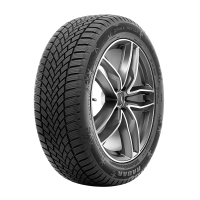
Category scores (% of best)
All discipline results (12)
Discipline positions compare the ranked tires in this test, not the whole market. These are individual measurements, not weighted overall scores.
| Test | Position in discipline | Result | Gap to best |
|---|---|---|---|
| Dry BrakingLower is better | 15th / 31 | 145 ft | +9 ft |
| Wet BrakingLower is better | 25th / 31 | 120 ft | +16 ft |
| Wet Braking - ConcreteLower is better | 25th / 31 | 137 ft | +17 ft |
| Wet CircleHigher is better | 12th / 30 | 5.6 mph | -1.3 mph |
| Straight AquaHigher is better | 28th / 31 | 42.1 mph | -6.9 mph |
| Snow BrakingLower is better | 4th / 31 | 31 ft | +1 ft |
| Snow TractionHigher is better | 5th / 31 | 55 lbf | -2 lbf |
| Ice BrakingLower is better | 3rd / 31 | 52 ft | +2 ft |
| NoiseLower is better | 15th / 31 | 72.3 dB | +2.00 dB |
| WearHigher is better | 1st / 31 | 50,331 miles | Best in this discipline |
| Fuel ConsumptionLower is better | 16th / 31 | 5.8 l/100km | +0.20 l/100km |
| AbrasionLower is better | 3rd / 31 | 53 mg/km/t | +3.00 mg/km/t |
- EU Label
- C/B/72
- Origin
- Thailand
- 3PMSF
- Yes
- Price
- 99.00
Nankang Winter Activa SV 4
225/40 R18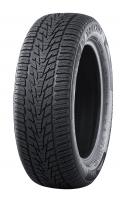
Category scores (% of best)
All discipline results (12)
Discipline positions compare the ranked tires in this test, not the whole market. These are individual measurements, not weighted overall scores.
| Test | Position in discipline | Result | Gap to best |
|---|---|---|---|
| Dry BrakingLower is better | 21st / 31 | 147 ft | +11 ft |
| Wet BrakingLower is better | 21st / 31 | 117 ft | +13 ft |
| Wet Braking - ConcreteLower is better | 24th / 31 | 136 ft | +16 ft |
| Wet CircleHigher is better | 12th / 30 | 5.6 mph | -1.3 mph |
| Straight AquaHigher is better | 20th / 31 | 44.7 mph | -4.3 mph |
| Snow BrakingLower is better | 26th / 31 | 34 ft | +4 ft |
| Snow TractionHigher is better | 29th / 31 | 48 lbf | -9 lbf |
| Ice BrakingLower is better | 29th / 31 | 63 ft | +13 ft |
| NoiseLower is better | 13th / 31 | 72 dB | +1.70 dB |
| WearHigher is better | 31st / 31 | 21,251 miles | -29,080 miles |
| Fuel ConsumptionLower is better | 29th / 31 | 5.9 l/100km | +0.30 l/100km |
| AbrasionLower is better | 31st / 31 | 88 mg/km/t | +38.00 mg/km/t |
- EU Label
- D/B/71
- Origin
- China
- 3PMSF
- Yes
- Price
- 112.00
Landsail Winter Lander
225/40 R18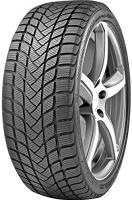
Category scores (% of best)
All discipline results (12)
Discipline positions compare the ranked tires in this test, not the whole market. These are individual measurements, not weighted overall scores.
| Test | Position in discipline | Result | Gap to best |
|---|---|---|---|
| Dry BrakingLower is better | 5th / 31 | 139 ft | +3 ft |
| Wet BrakingLower is better | 5th / 31 | 108 ft | +4 ft |
| Wet Braking - ConcreteLower is better | 4th / 31 | 121 ft | +1 ft |
| Wet CircleHigher is better | 12th / 30 | 5.6 mph | -1.3 mph |
| Straight AquaHigher is better | 22nd / 31 | 44.2 mph | -4.8 mph |
| Snow BrakingLower is better | 31st / 31 | 40 ft | +10 ft |
| Snow TractionHigher is better | 31st / 31 | 42 lbf | -15 lbf |
| Ice BrakingLower is better | 10th / 31 | 55 ft | +5 ft |
| NoiseLower is better | 7th / 31 | 71.6 dB | +1.30 dB |
| WearHigher is better | 21st / 31 | 31,690 miles | -18,641 miles |
| Fuel ConsumptionLower is better | 16th / 31 | 5.8 l/100km | +0.20 l/100km |
| AbrasionLower is better | 27th / 31 | 77 mg/km/t | +27.00 mg/km/t |
- EU Label
- C/B/72
- Origin
- China
- 3PMSF
- Yes
Petlas SnowMaster 2 Sport
225/40 R18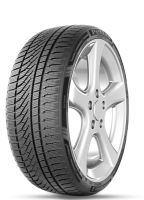
Category scores (% of best)
All discipline results (12)
Discipline positions compare the ranked tires in this test, not the whole market. These are individual measurements, not weighted overall scores.
| Test | Position in discipline | Result | Gap to best |
|---|---|---|---|
| Dry BrakingLower is better | 12th / 31 | 144 ft | +8 ft |
| Wet BrakingLower is better | 20th / 31 | 116 ft | +12 ft |
| Wet Braking - ConcreteLower is better | 22nd / 31 | 135 ft | +15 ft |
| Wet CircleHigher is better | 27th / 30 | 4.5 mph | -2.4 mph |
| Straight AquaHigher is better | 30th / 31 | 40.9 mph | -8.1 mph |
| Snow BrakingLower is better | 28th / 31 | 34 ft | +4 ft |
| Snow TractionHigher is better | 28th / 31 | 50 lbf | -7 lbf |
| Ice BrakingLower is better | 17th / 31 | 55 ft | +5 ft |
| NoiseLower is better | 24th / 31 | 73.3 dB | +3.00 dB |
| WearHigher is better | 27th / 31 | 28,769 miles | -21,562 miles |
| Fuel ConsumptionLower is better | 1st / 31 | 5.6 l/100km | Best in this discipline |
| AbrasionLower is better | 21st / 31 | 71 mg/km/t | +21.00 mg/km/t |
- EU Label
- C/B/72
- Origin
- Turkey
- 3PMSF
- Yes
- Price
- 128.00
Imperial Snowdragon UHP
225/40 R18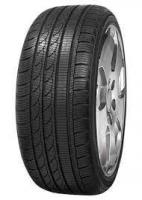
Category scores (% of best)
All discipline results (12)
Discipline positions compare the ranked tires in this test, not the whole market. These are individual measurements, not weighted overall scores.
| Test | Position in discipline | Result | Gap to best |
|---|---|---|---|
| Dry BrakingLower is better | 20th / 31 | 146 ft | +10 ft |
| Wet BrakingLower is better | 26th / 31 | 124 ft | +20 ft |
| Wet Braking - ConcreteLower is better | 26th / 31 | 143 ft | +23 ft |
| Wet CircleHigher is better | 29th / 30 | 4.0 mph | -2.9 mph |
| Straight AquaHigher is better | 25th / 31 | 42.7 mph | -6.3 mph |
| Snow BrakingLower is better | 26th / 31 | 34 ft | +4 ft |
| Snow TractionHigher is better | 26th / 31 | 51 lbf | -6 lbf |
| Ice BrakingLower is better | 21st / 31 | 57 ft | +7 ft |
| NoiseLower is better | 16th / 31 | 72.4 dB | +2.10 dB |
| WearHigher is better | 11th / 31 | 36,847 miles | -13,484 miles |
| Fuel ConsumptionLower is better | 16th / 31 | 5.8 l/100km | +0.20 l/100km |
| AbrasionLower is better | 5th / 31 | 57 mg/km/t | +7.00 mg/km/t |
- EU Label
- C/C/72
- Origin
- China
- 3PMSF
- Yes
- Price
- 97.00
Goodride SW608
225/40 R18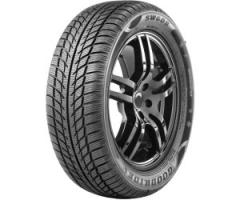
Category scores (% of best)
All discipline results (12)
Discipline positions compare the ranked tires in this test, not the whole market. These are individual measurements, not weighted overall scores.
| Test | Position in discipline | Result | Gap to best |
|---|---|---|---|
| Dry BrakingLower is better | 23rd / 31 | 148 ft | +12 ft |
| Wet BrakingLower is better | 27th / 31 | 126 ft | +22 ft |
| Wet Braking - ConcreteLower is better | 27th / 31 | 147 ft | +27 ft |
| Wet CircleHigher is better | 20th / 30 | 5.4 mph | -1.5 mph |
| Straight AquaHigher is better | 18th / 31 | 44.8 mph | -4.2 mph |
| Snow BrakingLower is better | 29th / 31 | 34 ft | +4 ft |
| Snow TractionHigher is better | 27th / 31 | 50 lbf | -7 lbf |
| Ice BrakingLower is better | 28th / 31 | 60 ft | +10 ft |
| NoiseLower is better | 25th / 31 | 73.4 dB | +3.10 dB |
| WearHigher is better | 24th / 31 | 30,074 miles | -20,257 miles |
| Fuel ConsumptionLower is better | 8th / 31 | 5.7 l/100km | +0.10 l/100km |
| AbrasionLower is better | 25th / 31 | 75 mg/km/t | +25.00 mg/km/t |
- EU Label
- D/C/72
- Origin
- China
- 3PMSF
- Yes
- Price
- 96.00
Syron Everest 2
225/40 R18
Category scores (% of best)
All discipline results (12)
Discipline positions compare the ranked tires in this test, not the whole market. These are individual measurements, not weighted overall scores.
| Test | Position in discipline | Result | Gap to best |
|---|---|---|---|
| Dry BrakingLower is better | 30th / 31 | 151 ft | +15 ft |
| Wet BrakingLower is better | 31st / 31 | 155 ft | +51 ft |
| Wet Braking - ConcreteLower is better | 31st / 31 | 174 ft | +54 ft |
| Wet CircleHigher is better | 30th / 30 | 2.9 mph | -4.0 mph |
| Straight AquaHigher is better | 31st / 31 | 38.3 mph | -10.7 mph |
| Snow BrakingLower is better | 1st / 31 | 30 ft | Best in this discipline |
| Snow TractionHigher is better | 1st / 31 | 57 lbf | Best in this discipline |
| Ice BrakingLower is better | 1st / 31 | 50 ft | Best in this discipline |
| NoiseLower is better | 14th / 31 | 72.1 dB | +1.80 dB |
| WearHigher is better | 30th / 31 | 25,973 miles | -24,358 miles |
| Fuel ConsumptionLower is better | 8th / 31 | 5.7 l/100km | +0.10 l/100km |
| AbrasionLower is better | 29th / 31 | 85 mg/km/t | +35.00 mg/km/t |
- EU Label
- D/C/72
- Origin
- China
- 3PMSF
- Yes
- Price
- 126.00
CST Medallion Winter WCP1
225/40 R18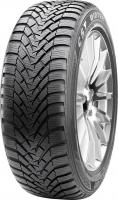
Category scores (% of best)
All discipline results (12)
Discipline positions compare the ranked tires in this test, not the whole market. These are individual measurements, not weighted overall scores.
| Test | Position in discipline | Result | Gap to best |
|---|---|---|---|
| Dry BrakingLower is better | 8th / 31 | 142 ft | +6 ft |
| Wet BrakingLower is better | 19th / 31 | 116 ft | +12 ft |
| Wet Braking - ConcreteLower is better | 17th / 31 | 132 ft | +12 ft |
| Wet CircleHigher is better | 12th / 30 | 5.6 mph | -1.3 mph |
| Straight AquaHigher is better | 6th / 31 | 46.7 mph | -2.3 mph |
| Snow BrakingLower is better | 30th / 31 | 36 ft | +6 ft |
| Snow TractionHigher is better | 30th / 31 | 45 lbf | -12 lbf |
| Ice BrakingLower is better | 30th / 31 | 63 ft | +13 ft |
| NoiseLower is better | 31st / 31 | 75.5 dB | +5.20 dB |
| WearHigher is better | 14th / 31 | 34,424 miles | -15,907 miles |
| Fuel ConsumptionLower is better | 29th / 31 | 5.9 l/100km | +0.30 l/100km |
| AbrasionLower is better | 17th / 31 | 68 mg/km/t | +18.00 mg/km/t |
- EU Label
- D/B/71
- Origin
- China
- 3PMSF
- Yes
- Price
- 93.00
Star Performer Stratos UHP
225/40 R18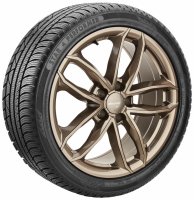
Category scores (% of best)
All discipline results (12)
Discipline positions compare the ranked tires in this test, not the whole market. These are individual measurements, not weighted overall scores.
| Test | Position in discipline | Result | Gap to best |
|---|---|---|---|
| Dry BrakingLower is better | 18th / 31 | 146 ft | +10 ft |
| Wet BrakingLower is better | 28th / 31 | 131 ft | +27 ft |
| Wet Braking - ConcreteLower is better | 28th / 31 | 155 ft | +35 ft |
| Wet CircleHigher is better | 26th / 30 | 4.9 mph | -2.0 mph |
| Straight AquaHigher is better | 29th / 31 | 41.5 mph | -7.5 mph |
| Snow BrakingLower is better | 22nd / 31 | 32 ft | +2 ft |
| Snow TractionHigher is better | 11th / 31 | 54 lbf | -3 lbf |
| Ice BrakingLower is better | 21st / 31 | 57 ft | +7 ft |
| NoiseLower is better | 11th / 31 | 71.9 dB | +1.60 dB |
| WearHigher is better | 10th / 31 | 37,282 miles | -13,049 miles |
| Fuel ConsumptionLower is better | 1st / 31 | 5.6 l/100km | Best in this discipline |
| AbrasionLower is better | 11th / 31 | 62 mg/km/t | +12.00 mg/km/t |
- EU Label
- D/C/72
- Origin
- China
- 3PMSF
- Yes
- Price
- 95.00
Tomket Snowroad Pro 3
225/40 R18
Category scores (% of best)
All discipline results (12)
Discipline positions compare the ranked tires in this test, not the whole market. These are individual measurements, not weighted overall scores.
| Test | Position in discipline | Result | Gap to best |
|---|---|---|---|
| Dry BrakingLower is better | 21st / 31 | 147 ft | +11 ft |
| Wet BrakingLower is better | 29th / 31 | 133 ft | +29 ft |
| Wet Braking - ConcreteLower is better | 29th / 31 | 155 ft | +35 ft |
| Wet CircleHigher is better | 12th / 30 | 5.6 mph | -1.3 mph |
| Straight AquaHigher is better | 26th / 31 | 42.2 mph | -6.8 mph |
| Snow BrakingLower is better | 23rd / 31 | 33 ft | +3 ft |
| Snow TractionHigher is better | 13th / 31 | 54 lbf | -3 lbf |
| Ice BrakingLower is better | 4th / 31 | 52 ft | +2 ft |
| NoiseLower is better | 7th / 31 | 71.6 dB | +1.30 dB |
| WearHigher is better | 5th / 31 | 41,321 miles | -9,010 miles |
| Fuel ConsumptionLower is better | 1st / 31 | 5.6 l/100km | Best in this discipline |
| AbrasionLower is better | 6th / 31 | 58 mg/km/t | +8.00 mg/km/t |
- EU Label
- D/C/72
- Origin
- China
- 3PMSF
- Yes
- Price
- 107.00
Evergreen Winter EW66
225/40 R18
Category scores (% of best)
All discipline results (11)
Discipline positions compare the ranked tires in this test, not the whole market. These are individual measurements, not weighted overall scores.
| Test | Position in discipline | Result | Gap to best |
|---|---|---|---|
| Dry BrakingLower is better | 31st / 31 | 152 ft | +16 ft |
| Wet BrakingLower is better | 30th / 31 | 139 ft | +35 ft |
| Wet Braking - ConcreteLower is better | 30th / 31 | 156 ft | +36 ft |
| Straight AquaHigher is better | 24th / 31 | 44.0 mph | -5.0 mph |
| Snow BrakingLower is better | 8th / 31 | 32 ft | +2 ft |
| Snow TractionHigher is better | 17th / 31 | 53 lbf | -4 lbf |
| Ice BrakingLower is better | 31st / 31 | 69 ft | +19 ft |
| NoiseLower is better | 19th / 31 | 72.7 dB | +2.40 dB |
| WearHigher is better | 26th / 31 | 29,639 miles | -20,692 miles |
| Fuel ConsumptionLower is better | 8th / 31 | 5.7 l/100km | +0.10 l/100km |
| AbrasionLower is better | 26th / 31 | 76 mg/km/t | +26.00 mg/km/t |
- EU Label
- D/C/72
- 3PMSF
- Yes
- Price
- 133.00
Momo was shown 8th , now it says 9th. What’s changed?
It's still showing as joint 8th for me?
In ADAC test result placement, yesterday it was shown 8th- Nokian , 9th-Momo and 10- Ceat.. and now yes you’re right! it’s 8th- Nokian & Momo, 10 - Ceat.. so, who’s 9th now? a ghost! :)
There's two tires in 8th place that tied on points according to the adac grading :)
Maybe if you went to the results tab it doesn't show placement so momo would look to be in 9th.