The 2017 Auto Bild winter tire test started with fifty 225/50 R17 winter tire patterns which Auto Bild tested for wet braking performance, and then dropped the worse twenty tires from the test.
The next phase was testing the remaining thirty patterns for snow braking, which was then combined with the wet braking distances to allow the ten worst tires to be dropped. This left twenty winter tires which Auto Bild regarded as the best winter tires on the market, and deemed worthy enough to take through to the full testing.
As ever with Auto Bild testing, they undertake all the usual dry, wet and snow testing, but also including important factors such as wear and cost per 1,000 km, which a lot of tests are unable to include.
The results as closer than ever, and you'd be hard pressed to classify any of the top 10 tires as bad tires, but three in particular rose to the top.
Dry
In the dry grip testing, no tire got close the reference summer tire. During the braking tests, the Pirelli was the closest, but with all twenty winter tires separated by just 3 meters overall when braking from 100 km/h, the differences between the top ten were small.
- Reference Summer
- Pirelli Winter Sottozero 3
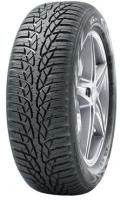
- Nokian WR D4
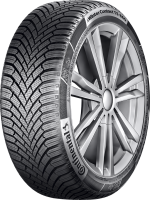
- Continental WinterContact TS 860
- Kumho WinterCraft WP71
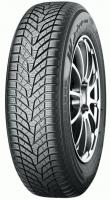
- Yokohama W drive V905
- Firestone Winterhawk 3
- Gislaved EuroFrost 5
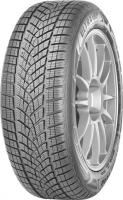
- Goodyear UltraGrip Performance Gen
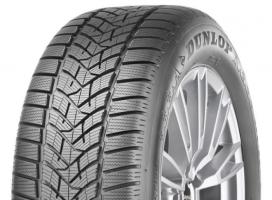
- Dunlop Winter Sport 5
- Uniroyal MS Plus 77
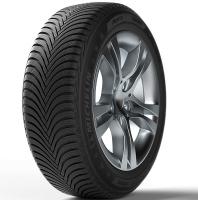
- Michelin Alpin 5
- Nexen WinGuard Sport 2
- Fulda Kristall Control HP2
- Hankook Winter i cept evo2
- Semperit Speed Grip 3
- Kleber Krisalp HP3
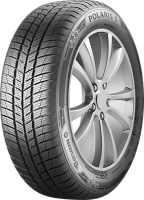
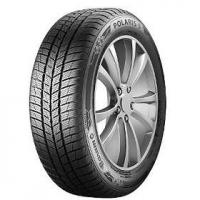
- Barum Polaris 3
- BFGoodrich gForce Winter 2
- Sava Eskimo HP2
- Bridgestone Blizzak LM001 EVO
The Continental winter tire was a step above the rest during dry handling, however it was still a large margin behind the summer reference tire in another closely contested category.
- Reference Summer
- Continental WinterContact TS 860
- Hankook Winter i cept evo2
- Barum Polaris 3
- Semperit Speed Grip 3
- Nexen WinGuard Sport 2
- Fulda Kristall Control HP2
- Gislaved EuroFrost 5
- Michelin Alpin 5
- Sava Eskimo HP2
- Pirelli Winter Sottozero 3
- Yokohama W drive V905
- Goodyear UltraGrip Performance Gen
- Dunlop Winter Sport 5
- Firestone Winterhawk 3
- Bridgestone Blizzak LM001 EVO
- Nokian WR D4
- Uniroyal MS Plus 77
- Kumho WinterCraft WP71
- Kleber Krisalp HP3
- BFGoodrich gForce Winter 2
Winter tires often have a bad reputation for being noisy, but every winter tire managed to best the summer reference on test, with the Bridgestone winter tire quietest by some margin.
All tests are the combined results of drive by noise readings at both 50 km/h and 80 km/h.
- Bridgestone Blizzak LM001 EVO
- Nexen WinGuard Sport 2
- Kleber Krisalp HP3
- BFGoodrich gForce Winter 2
- Firestone Winterhawk 3
- Michelin Alpin 5
- Kumho WinterCraft WP71
- Goodyear UltraGrip Performance Gen
- Nokian WR D4
- Pirelli Winter Sottozero 3
- Semperit Speed Grip 3
- Continental WinterContact TS 860
- Dunlop Winter Sport 5
- Barum Polaris 3
- Hankook Winter i cept evo2
- Sava Eskimo HP2
- Uniroyal MS Plus 77
- Yokohama W drive V905
- Gislaved EuroFrost 5
- Fulda Kristall Control HP2
- Reference Summer
Wet
The shallow water wet testing results were a little more spread out, but the summer tire still dominated. Again, the Pirelli was closest in wet braking, but this time there was over 4 meters separating the winter tires when braking from 80 km/h.
- Reference Summer
- Pirelli Winter Sottozero 3
- Bridgestone Blizzak LM001 EVO
- Michelin Alpin 5
- Goodyear UltraGrip Performance Gen
- Continental WinterContact TS 860
- Dunlop Winter Sport 5
- Nexen WinGuard Sport 2
- Semperit Speed Grip 3
- Yokohama W drive V905
- Kumho WinterCraft WP71
- Nokian WR D4
- BFGoodrich gForce Winter 2
- Fulda Kristall Control HP2
- Kleber Krisalp HP3
- Barum Polaris 3
- Hankook Winter i cept evo2
- Uniroyal MS Plus 77
- Firestone Winterhawk 3
- Sava Eskimo HP2
- Gislaved EuroFrost 5
This time the Pirelli matched its wet braking peformance and finished the best winter tire during wet handling too.
- Reference Summer
- Pirelli Winter Sottozero 3
- Michelin Alpin 5
- Bridgestone Blizzak LM001 EVO
- Continental WinterContact TS 860
- Dunlop Winter Sport 5
- Goodyear UltraGrip Performance Gen
- Nokian WR D4
- Semperit Speed Grip 3
- Yokohama W drive V905
- Kleber Krisalp HP3
- Nexen WinGuard Sport 2
- BFGoodrich gForce Winter 2
- Firestone Winterhawk 3
- Kumho WinterCraft WP71
- Uniroyal MS Plus 77
- Fulda Kristall Control HP2
- Gislaved EuroFrost 5
- Barum Polaris 3
- Sava Eskimo HP2
- Hankook Winter i cept evo2
The summer tire could only manage fourth place overall in the deep water aquaplaning tests, with the Michelin owned BF Goodrich and Kleber taking the top two places.
- BFGoodrich gForce Winter 2
- Kleber Krisalp HP3
- Bridgestone Blizzak LM001 EVO
- Reference Summer
- Fulda Kristall Control HP2
- Pirelli Winter Sottozero 3
- Michelin Alpin 5
- Gislaved EuroFrost 5
- Goodyear UltraGrip Performance Gen
- Nokian WR D4
- Hankook Winter i cept evo2
- Continental WinterContact TS 860
- Uniroyal MS Plus 77
- Dunlop Winter Sport 5
- Semperit Speed Grip 3
- Firestone Winterhawk 3
- Nexen WinGuard Sport 2
- Barum Polaris 3
- Sava Eskimo HP2
- Kumho WinterCraft WP71
- Yokohama W drive V905
Snow
BF Goodrich and Kleber continued their success during the aquaplaning tests to stop the quickest when braking from 50 km/h on snow.
- BFGoodrich gForce Winter 2
- Kleber Krisalp HP3
- Sava Eskimo HP2
- Semperit Speed Grip 3
- Continental WinterContact TS 860
- Barum Polaris 3
- Dunlop Winter Sport 5
- Goodyear UltraGrip Performance Gen
- Nokian WR D4
- Firestone Winterhawk 3
- Gislaved EuroFrost 5
- Fulda Kristall Control HP2
- Uniroyal MS Plus 77
- Yokohama W drive V905
- Nexen WinGuard Sport 2
- Hankook Winter i cept evo2
- Bridgestone Blizzak LM001 EVO
- Michelin Alpin 5
- Kumho WinterCraft WP71
- Pirelli Winter Sottozero 3
- Reference Summer
Barum took a surprise win during snow handling, with BF Goodrich a close second place. The reference summer tire couldn't even manage a lap of the snow handling course.
- Barum Polaris 3
- BFGoodrich gForce Winter 2
- Fulda Kristall Control HP2
- Continental WinterContact TS 860
- Goodyear UltraGrip Performance Gen
- Sava Eskimo HP2
- Kleber Krisalp HP3
- Dunlop Winter Sport 5
- Nexen WinGuard Sport 2
- Michelin Alpin 5
- Semperit Speed Grip 3
- Gislaved EuroFrost 5
- Nokian WR D4
- Bridgestone Blizzak LM001 EVO
- Kumho WinterCraft WP71
- Yokohama W drive V905
- Firestone Winterhawk 3
- Pirelli Winter Sottozero 3
- Hankook Winter i cept evo2
- Uniroyal MS Plus 77
Cost
Difference between value and wear is an important distinction. Wear simply shows the projected mileage of the tire, based on Auto Bild's testing. Value looks at the projected mileage divided by the price Auto Bild paid for the set, giving you a "euro per 1,000 km" figure. While Michelin offered the best value of the premium tires on test, Nexen scored best in value thanks to excellent wear and a low purchase price.
- Nexen WinGuard Sport 2
- Sava Eskimo HP2
- Fulda Kristall Control HP2
- Kumho WinterCraft WP71
- Barum Polaris 3
- Gislaved EuroFrost 5
- Uniroyal MS Plus 77
- Kleber Krisalp HP3
- BFGoodrich gForce Winter 2
- Michelin Alpin 5
- Hankook Winter i cept evo2
- Firestone Winterhawk 3
- Bridgestone Blizzak LM001 EVO
- Yokohama W drive V905
- Semperit Speed Grip 3
- Dunlop Winter Sport 5
- Continental WinterContact TS 860
- Nokian WR D4
- Goodyear UltraGrip Performance Gen
- Pirelli Winter Sottozero 3
- Nexen WinGuard Sport 2
- Fulda Kristall Control HP2
- Michelin Alpin 5
- Sava Eskimo HP2
- Kumho WinterCraft WP71
- Bridgestone Blizzak LM001 EVO
- BFGoodrich gForce Winter 2
- Uniroyal MS Plus 77
- Gislaved EuroFrost 5
- Barum Polaris 3
- Kleber Krisalp HP3
- Dunlop Winter Sport 5
- Hankook Winter i cept evo2
- Firestone Winterhawk 3
- Continental WinterContact TS 860
- Semperit Speed Grip 3
- Yokohama W drive V905
- Goodyear UltraGrip Performance Gen
- Pirelli Winter Sottozero 3
- Nokian WR D4
While none of the winter tires could beat the summer tire during the rolling resistance testing, a number of tires were close. Ironically, the best value tire on test had the worst rolling resistance, which will offset some of the savings made over the tires tread life.
Results
The full results are below, and have Auto Bild's usual confusing weighting attached to each of the criteria. For more information, be sure to check out the Auto Bild website (German).
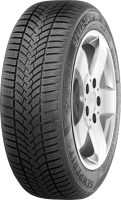
Test winner. Excellent performance in all weather conditions, direct steering response and strong handling in the snow and on dry roads.
Average mileage.
Exemplary.
Total: 48
Dry
7
Wet
7
Snow
7
Comfort
6
Rolling Resistance
6
Noise
6
Wear
5
Cost
4
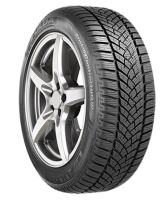
Winter specialist with very good wet grip and low wear. Balance handling in the snow and dry, good aquaplaning resistance.
Slightly high rolling resistance.
Exemplary.
Total: 51
Dry
6
Wet
7
Snow
6
Comfort
7
Rolling Resistance
4
Noise
7
Wear
8
Cost
6
Premium winter tire with balanced performance, good handling in the snow and wet, short wet braking distances.
Average mileage.
Exemplary.
Total: 47
Dry
6
Wet
7
Snow
6
Comfort
6
Rolling Resistance
6
Noise
6
Wear
5
Cost
5
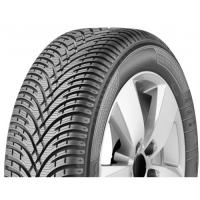
Premium tires with excellent performance in all weather conditions. Precise steering and good feedback, short braking distances.
High price, high wear.
Good.
Total: 46
Dry
6
Wet
7
Snow
7
Comfort
6
Rolling Resistance
6
Noise
7
Wear
4
Cost
3
Convincing all rounder with good winter characteristics and good handling in the dry. Good comfort.
Average mileage.
Good.
Total: 48
Dry
6
Wet
6
Snow
7
Comfort
7
Rolling Resistance
6
Noise
7
Wear
4
Cost
5
The winter kings, winning the snow tests, excellent aquaplaning results, good ride comfort.
Slow steering, understeer in the dry.
Good.
Total: 53
Dry
5
Wet
6
Snow
9
Comfort
7
Rolling Resistance
6
Noise
8
Wear
6
Cost
6
Low price, very good in the winter, excellent aquaplaning result, good ride comfort.
Slow steering, understeer in the wet.
Good.
Total: 53
Dry
6
Wet
6
Snow
7
Comfort
6
Rolling Resistance
6
Noise
5
Wear
9
Cost
8
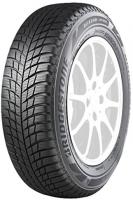
A well balanced tire with excellent handling in the wet, low noise.
Average snow handling, long dry braking.
Good.
Total: 51
Dry
5
Wet
8
Snow
6
Comfort
4
Rolling Resistance
6
Noise
9
Wear
7
Cost
6
Excellent in the snow, good price / performance ratio, good aquaplaning resistance, low noise.
Poor dry grip and handling.
Good.
Total: 51
Dry
5
Wet
6
Snow
8
Comfort
6
Rolling Resistance
5
Noise
8
Wear
6
Cost
7
A good value winter tire with balanced handling in the snow and on dry roads. Short wet braking distances.
Limited aquaplaning resistance, high rolling resistance.
Good.
Total: 51
Dry
6
Wet
5
Snow
6
Comfort
5
Rolling Resistance
3
Noise
8
Wear
9
Cost
9
Stable handling on snow and dry roads, good aquaplaning resistance.
Limited grip in the wet with understeer.
Average.
Total: 47
Dry
6
Wet
5
Snow
6
Comfort
5
Rolling Resistance
6
Noise
5
Wear
6
Cost
8
Good snow traction, short wet and dry braking distances, good value.
Average handling with delayed turn-in, low comfort.
Average.
Total: 48
Dry
5
Wet
5
Snow
6
Comfort
4
Rolling Resistance
6
Noise
7
Wear
7
Cost
8
Good traction and braking in the snow, good aquaplaning resistance.
Slow steering response and poor cornering in the wet and dry.
Average.
Total: 49
Dry
5
Wet
5
Snow
6
Comfort
6
Rolling Resistance
8
Noise
6
Wear
6
Cost
7
Good performance in the wet and snow.
Understeer in the dry, high wear.
Average.
Total: 42
Dry
5
Wet
6
Snow
6
Comfort
5
Rolling Resistance
6
Noise
7
Wear
3
Cost
4
Good traction and short braking in the snow, stable wet handling.
Poor snow handling, low aquaplaning resistance, poor comfort, high rolling resistance.
Average.
Total: 40
Dry
5
Wet
5
Snow
6
Comfort
4
Rolling Resistance
4
Noise
6
Wear
4
Cost
6
Low price, stable snow performance.
Poor wet braking and handling, average aquaplaning reserves.
Average.
Total: 50
Dry
6
Wet
4
Snow
8
Comfort
5
Rolling Resistance
7
Noise
6
Wear
6
Cost
8
Best price / wear ratio, good in the snow.
Poor wet handling, long wet and dry braking distances. Low comfort.
Average.
Total: 47
Dry
5
Wet
4
Snow
6
Comfort
3
Rolling Resistance
6
Noise
6
Wear
8
Cost
9
Short wet and dry braking distances, dynamic wet handling.
Average winter performance, low snow traction, long snow braking, high wear.
Average.
Total: 39
Dry
6
Wet
8
Snow
4
Comfort
4
Rolling Resistance
5
Noise
6
Wear
3
Cost
3
Good snow traction, low noise.
Poor snow and wet handling, long wet braking, high rolling resistance.
Average.
Total: 43
Dry
6
Wet
4
Snow
6
Comfort
5
Rolling Resistance
4
Noise
7
Wear
5
Cost
6
Good dry handling, low rolling resistance.
Poor handling in the snow and wet. Average comfort.
Average.
Total: 41
Dry
6
Wet
5
Snow
4
Comfort
3
Rolling Resistance
6
Noise
6
Wear
5
Cost
6

If you ditch the handling tests because the difference in speed is close to irrelevant, you can see that there is no way that Continental can be the best, mainly because high price and poor wear. Be sure on what surface you drive the most, it may be snowing but if the road is clear it is wet surface etc. I would suggest that you redo the results of the tes without the speed tests because they don't matter, safety comes first on winter tires !
But the speed measurement is a direct metric on how safe the tire is. For example the higher the aquaplaning speed is the safer it is to drive in a wet condition if the speed is below that measurement.
Hi Jonathan, I cannot understand the meaning of Dry and Wet Braking for Reference Summer. Shouldn't it be the other way around? Shouldn't summer tires stop after winter tires during the bad season? Thanks for the clarification.
Do you mean in the dry and wet? A good summer tire will always beat a winter tire in the dry, and the wet braking can be very close between the best summer and winter tires.
The summer tire behaves as you would expect in the snow!
So what is the utility of winter tires if the summer ones stop first in the wet???
I am talking about my climate, very rainy but almost never snowy in Fall/Winter...
The winter tire works in lower / freezing temperatures, and obviously works on snow and ice. But I agree, a winter tire isn't always the best choice.
https://www.youtube.com/wat...
Anyway, one morning of the last week my Goodyear Ultragrip Performance Gen-1 saved me from a crash. It was cold and it was raining, so they did their job very well...
Unable to find Nokian WRD4 on their website. Is this an old model ?
Also cannot find anywhere in this test a statement as to whether any of these tires are studded or non-studded.
Best current studded tire I know of is Nokian Hakkapeliitta 9
The Nokian WRD4 is a European winter, which are studless by default. It's their current leading central european product:
https://www.nokiantires.com...
The Bridgestone Blizzak LM 001 has class C for wet braking
How is possible in your test to be no 3 before Continental, Michelin, etc, which has B class?
Thank you for your answer
As with the Nokian question below, it might be this test used an newer version of the tire with better label scores, or that the Bridgestone tire is more sensitive to this braking test scenario - things such as temperature, vehicle used and Mu of the road surface all make a difference.
Thank you for answer.
May you recommend me a tire model for a weather more wet than snow ?
Also ice from time to time.
Thank you
The winner of this test would be a good place to start your research :)
If you look at the EU label, Nokian has A grade wet braking performance; however, in this test, it sits behind the tires who has B grade wet braking performance in EU label.
How is this possible? Which one is wrong: EU label or the test :)
Another question: 205/55 R17 95V Goodyear winter tire tire has C grade wet braking performace in its EU label, while same tire has B grade performance in 215/55 R17 98V. Is it normal to have that difference? To be honest, I would expact better performance in 205 than 215, since width is smaller (only in wet and snow, in dry roads it's vice versa)
It's normal to have a difference between sizes in the brands, you can even sometimes find the same tire / size on sale with different label scores if a more recent manufacturer date has had a compound update to improve the label score.
As for the Nokian being an A, there's no way a company like Nokian would lie on the EU label test. It might be this test used an older version of the tire with worse label scores, or that the Nokian tire was more sensitive to this braking test scenario - things such as temperature, vehicle used and Mu of the road surface all make a difference.
So basically the almost last tire in this test(am looking at you Pirelli),is actually the best "winter" tire for our mild(less snowy) winters?
It certainly wouldn't be that low in a UK based test, though if you're more concerned about dry and wet performance (which is good for the UK) I'd suggest something like the Michelin CrossClimate.
Good suggestion,but in my size(205/50 r17) they are prohibitively expensive.
And the all-season test only confirm that there isn't much else to choose from.So I guess my old(2010) wintersport 3d will have to hold on for a one more winter trough.