

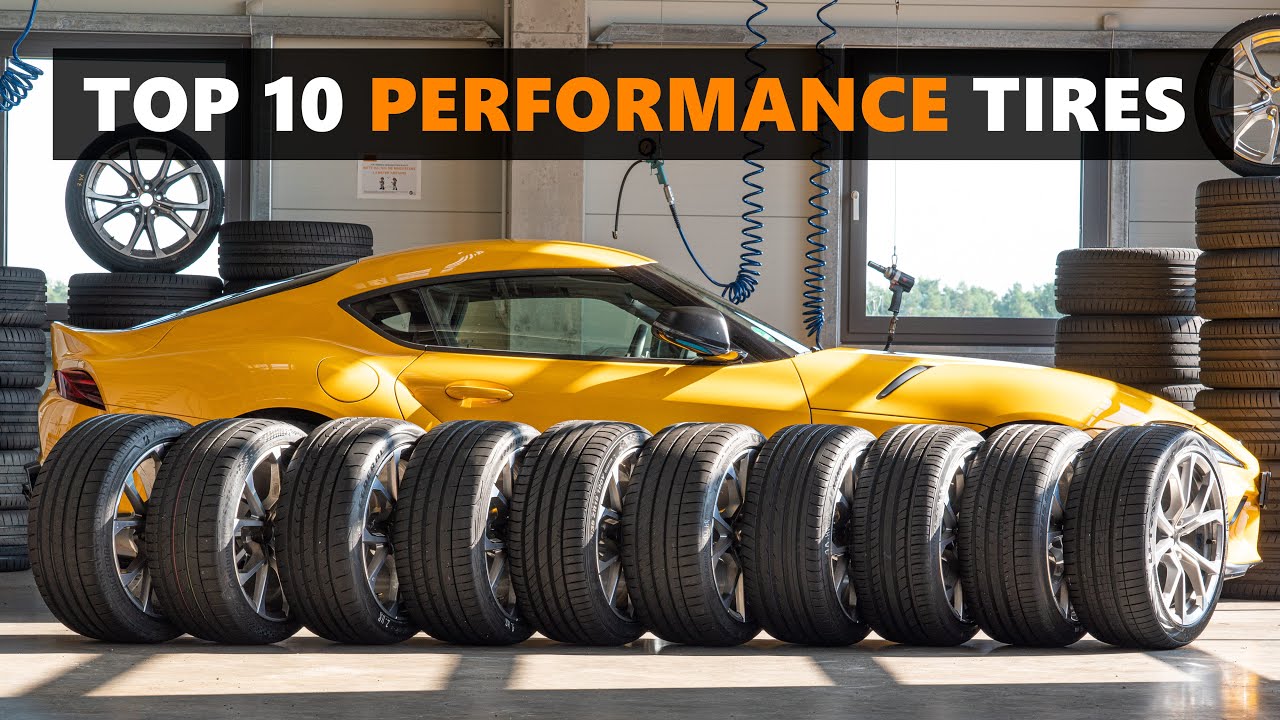
It's the 2022 Tire Reviews Ultra-Ultra High Performance Summer Tire Test! You can watch the video here, or scroll down for the full write up and data!
Testing Methodology

- Test Driver
- Jonathan Benson
- Tire Size
- 255/35 R19
- Test Location
- Professional Proving Ground
- Test Year
- 2022
- Tires Tested
- 10
You might be wondering why this test is out so early in the year? There's a new tire on the market, the Continental SportContact 7, and I really wanted to be the first person to test it!
To find out how good the new new Continental is, I'll be putting it against the recently launched Bridgestone Potenza Sport, the established, if not aging Michelin Pilot Sport 4S and Goodyear Eagle F1 SuperSport, plus some of the internet's favorites, the Toyo Proxes Sport A, the Kumho Ecsta PS71, the Vredestein Ultrac Vorti+, the Nankang Sportnex AS-2+, the Federal Evolution ST-1 and the cheapest set of tires we could buy online for this Supra, which is a mix of Star Performer for the front axle and Goodride for the wider rear!
As always, I'm going to deep dive into all the performance qualities of the tires, and given the class of tire, really focus on driving dynamics and enjoyment, so by the end of the test we'll know whether the new Continental really has moved the game on, or whether one of the established tires can remain triumphant!
The Toyota Supra is fitted with 255/35 R19 front tires, and 275/35 R19 rear tires.
Dry
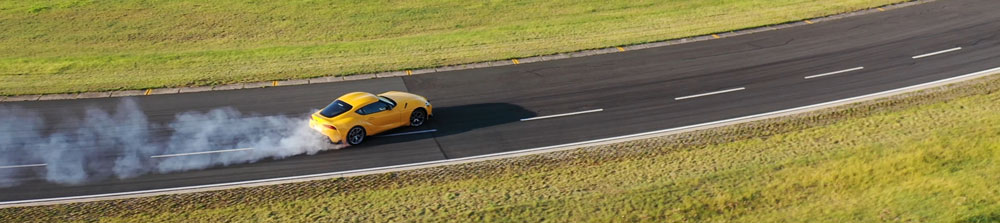
The dry handling circuit is relatively short and fast, and with it's long sweeping corners it is an awesome test of the tires lateral grip, and allows you to really feel how the car and tire package is balanced at the limit. All the tires are close in time, but there's a pretty big difference subjectively, so prepare for me to talk too much about tires again.
In last place was, shockingly, the mixed budget pair. While this is no surprise, you might find it interesting that the balance of grip totally swapped around from the wet test, we've switched from understeer to oversteer, and my gosh what a terrible thing it was to drive. It made the Supra quite nasty to drive, with the front axle bobbing about and the rear suddenly and constantly breaking into oversteer with no ability to control the slide.
A little ahead was the Federal and Nankang. While both these tires had similar levels of grip, they delivered it in totally different ways. The Federal was really difficult to try and drive quickly, it had lots of understeer and if you tried to balance it with the throttle, the oversteer was sudden and abrupt.
Conversely, the eight placed Nankang was like a big soft puppy. The steering was merely a suggestion of where you wanted to go, and once the car rotated you were better off steering the car on the throttle. But it was really easy to slide, really progressive, and one of the most fun tires. People always ask me what tire they should buy if they want to learn to drift - it's this. It doesn't wear out either, we've used it for the drifty filming laps and it held up really well. Not fast, not grippy, but fun.
Kumho and Vredestein are the next two tires. The kumho was the first tire so far where you felt like you were driving the car, rather than managing some sort of situation constantly, the steering was good, but not great, and it had consistent grip.

The Vredestein was next. I thought I'd like this as I was warming up on the way to track as the steering felt good, however the grip was really peaky, it didn't like sliding on either axle, and was just a bit of a handful to drive. Shame, but this is an old tire now and probably ready for an update.
Now we're onto the top 4, it's really close! They're covered by less than 1% in time, but I've still got a lot to say about the handling differences.
The Michelin Pilot Sport 4S was fourth. If you've watched any of my previous videos you'll know I think this tire gives up a little too much in dry handling on it's quest to be a tire for everyone, and I'm sticking to that. As always with the Michelin, the grip is fantastic, it's really strong on the brakes, but it's steering has a big delay compared to the best, and it gives you little information at the limit. Am I understeering? Am I about to oversteer? You have to wait for your inner ear to tell you rather than the steering wheel. Oh, and it liked to understeer.
The Bridgestone Potenza Sport was third fastest. It had great grip, and direct, quick steering, the quickest of the group actually, and it was very precise. While that did make it feel a bit nervous, I'm ok with that. What I'm not ok with was the communication at the limit. At 90% it was really fun, and possibly the best tire here, but at 100% it just gave up some detail you want.
Essentially joint first is the new Continental SportContact 7 and Goodyear Eagle F1 SuperSport.
The Continental is mega, and was the faster of the two tires by 0.02 seconds. The steering wasn't quite as quick as the bridgestone, but it was the most liniar of the group in terms of steering force build up. It was also one of the nicest to drive quickly, as it communicated everything at the limit really beautifully and was really progressive past the limit, meaning you weren't scared to slide. It was confidence inspiring, and felt the best on the brakes of the group.

The Goodyear is just at home on the dry track. I get a lot of questions on the Tire Reviews website asking what's my recommendation for the best road tire to use on track days, and people always seem surprised when I say the F1 SuperSport. Stop being surprised, it is awesome. Quick steering, loads of lateral grip, lovely controllability at the limit, yes it's not quite as easy to drive at the limit as the Conti, which leads the group, but it's fun and fast. It's not the best in the wet anymore, but it handles the heat of track driving so well, it's great. Fit this tire if you're looking for a road tire that will take abuse of track days, it's just a dream in this environment and feels the most at home here.
Dry braking retained the top 4 from dry handling, but this time had Michelin ahead of Goodyear and Bridgestone, with the Federal stopping the Supra much better than it handled the lap.
Wet

The wet handling lap is long enough and varied enough to get some pretty good time differences between the tires.
So, the slowest tires in the test were NOT the extreme "Cheap as it can get" mixed set, to my surprise. It was the Federal, which was the only tire over 100 seconds.
This tire had zero redeeming features. Like, not even "fun to drive sideways" as the grip was so low, and so difficult to recover when sliding, it was just frustrating. I wrote in my notes "almost undriveable, extremely low grip at both ends, poor traction, poor braking, understeer and oversteer, really difficult tire to drive consistently" and was happy to get them off.
Next up, another 3 seconds on, WAS the mix budget group, the Goodride rear and Star Performer front. If you've seen my all season test, you'll know the star performer is definitely not the star of any tire test, and in this mixed fitment, the front end was the weakest link. This DID mean the Supra had quite an understeer balance, which is usually considered safe, but I guess it's only safe if the car actually turns. Not recommended.
Goodyear was next, and the balance of the car felt really bad, in fact not knowing what I was driving on at the time, I thought this might be the mixed tires as the grip difference was so big between the axles. The front end had great, nicely weighted steering, the car turned in quickly, but the rear tire just couldn't hook up, and I found myself oversteering mid corner. Not because I was trail braking, not because I was applying throttle, just because the car wanted to slide and I had no idea why. They did feel better as they started to warm up, but not enough to jump places.

Kumho was seventh fastest. Now, this felt a little more sporty initially, the steering felt fine, it turned quickly, but, the levels of grip were pretty low overall, and the biggest issue was once you were past the limit of grip, you were sliding a long time, waiting and waiting for the grip to come back. On both axles.
The Vredestein was another tire like the goodyear with good front grip, but a flighty rear that didn't want to turn, and meant you were waiting forever to get back on the throttle in the corners.
Toyo was fifth. It didn't feel like it had a huge amount of grip, but the grip it had was friendly and balanced and I really enjoyed it. You could push on and attack the track, which made me smile. In fact, it's the first tire of the group I really enjoyed subjectively.
Nankang placed FOURTH! It didn't have the most grip, but it did have good front rear balance unlike some of the previous tires, which made it easy to drive. It was kind of like driving a big soft warm bath, which might not be the best analogy, but it's how I felt driving the car. Not sporty but impressive, especially considering the price.
Michelin in third repeated the issues of the Vredestein and Goodyear, it was rear limited, but unlike the Goodyear and Vred, this felt like it had awesome grip, especially on the brakes. Soft steering though, and not the most communication.
A significant step on in second place was the Bridgestone Potenza Sport, once again proving that this is the real deal in the wet. As in previous tests, it was a tire you had to hustle around the track, it felt meaty, it made you work, but ultimately it rewarded you with a good lap time. Honestly, I'm not sure that this is the best quality for a road tire, but I enjoyed it, and it delivered the grip, doubly impressive when you consider how little tread depth it starts with...
And speaking of delivering the grip, the new Continental SportContact 7 was quite simply a different category of tire. Yes I know it's the newest tire here by quite some margin, so it's no surprise it's the best in the wet, but it was five seconds faster than the next best tire!

Continental were bullish at the launch event, saying they'd found a big jump in wet performance, but every tire manufacturer says that at launch events. This time it's true.
It had so much grip, but not horrible fighty grip, lovely progressive grip. Good turn in, it was happy sliding, it was forgiving, I still can't get over just how good it is, and how easy it was to drive fast, as fast and easy aren't often a thing. The Sport Contact 7 is very impressive.
Continental and Michelin again led the way in wet braking, with the Nankang repeating its impressive performance from wet handling. Federal struggled in both wet tests.
Straight aquaplaning was led by Kumho and Nankang, by a significant margin over the rest of the group. Unlike Bridgestone, Continental and Goodyear, Michelin didn't sacrifice aquaplaning resistance for its excellent grip in the dry and wet.

Curved aquaplaning had a similar overall result to straight aquaplaning.
Environment
The Nankang AS2+ had the lowest noise on test.
The Nankang also had the joint highest subjective comfort score, tying with Vredestein and Toyo.
The Goodride budget tire had the lowest rolling resistance, narrowly beating the Michelin and Nankang. The Bridgestone Potenza Sport had an unusually high result in rolling resistance.
Results

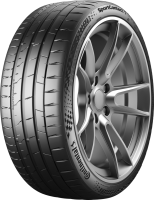
- EU Label: D/A/72
- 3PMSF: no
- Weight: 10.49 kgs
- Tread: 7.4 mm
| Test | # | Result | % |
|---|---|---|---|
| Dry Braking | 1st | 33.17 M | 100% |
| Dry Handling | 1st | 52.16 s | 100% |
| Test | # | Result | % |
|---|---|---|---|
| Wet Braking | 1st | 50.13 M | 100% |
| Wet Handling | 1st | 83.24 s | 100% |
| Straight Aqua | 8th | 86.61 Km/H | 96.16% |
| Curved Aquaplaning | 8th | 2.43 m/sec2 | 84.08% |
| Test | # | Result | % |
|---|---|---|---|
| Subj. Comfort | 6th | 9 Points | 90% |
| Noise | 4th | 73.5 dB | 97.01% |
| Test | # | Result | % |
|---|---|---|---|
| Rolling Resistance | 7th | 9.565 kg / t | 93.94% |
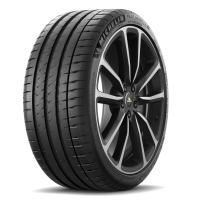
- EU Label: C/A/71
- 3PMSF: no
- Weight: 11.72 kgs
- Tread: 7.5 mm
| Test | # | Result | % |
|---|---|---|---|
| Dry Braking | 2nd | 33.73 M | 98.34% |
| Dry Handling | 4th | 52.5 s | 99.35% |
| Test | # | Result | % |
|---|---|---|---|
| Wet Braking | 2nd | 52.91 M | 94.75% |
| Wet Handling | 3rd | 91.11 s | 91.36% |
| Straight Aqua | 3rd | 88.1 Km/H | 97.81% |
| Curved Aquaplaning | 3rd | 2.59 m/sec2 | 89.62% |
| Test | # | Result | % |
|---|---|---|---|
| Subj. Comfort | 4th | 9.5 Points | 95% |
| Noise | 3rd | 73 dB | 97.67% |
| Test | # | Result | % |
|---|---|---|---|
| Rolling Resistance | 2nd | 9.04 kg / t | 99.39% |
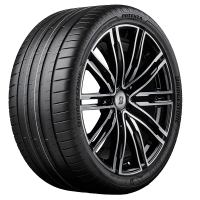
- EU Label: D/A/72
- 3PMSF: no
- Weight: 11.46 kgs
- Tread: 6.6 mm
| Test | # | Result | % |
|---|---|---|---|
| Dry Braking | 4th | 35.4 M | 93.7% |
| Dry Handling | 3rd | 52.37 s | 99.6% |
| Test | # | Result | % |
|---|---|---|---|
| Wet Braking | 3rd | 53.41 M | 93.86% |
| Wet Handling | 2nd | 88.57 s | 93.98% |
| Straight Aqua | 7th | 86.87 Km/H | 96.45% |
| Curved Aquaplaning | 5th | 2.51 m/sec2 | 86.85% |
| Test | # | Result | % |
|---|---|---|---|
| Subj. Comfort | 10th | 8 Points | 80% |
| Noise | 8th | 74.4 dB | 95.83% |
| Test | # | Result | % |
|---|---|---|---|
| Rolling Resistance | 10th | 10.29 kg / t | 87.32% |
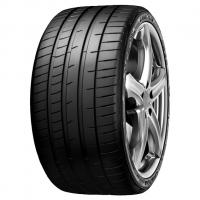
- EU Label: D/A/72
- 3PMSF: no
- Weight: 11.43 kgs
- Tread: 7.2 mm
| Test | # | Result | % |
|---|---|---|---|
| Dry Braking | 3rd | 35.06 M | 94.61% |
| Dry Handling | 2nd | 52.18 s | 99.96% |
| Test | # | Result | % |
|---|---|---|---|
| Wet Braking | 7th | 56.65 M | 88.49% |
| Wet Handling | 8th | 93.99 s | 88.56% |
| Straight Aqua | 10th | 85.23 Km/H | 94.63% |
| Curved Aquaplaning | 6th | 2.5 m/sec2 | 86.51% |
| Test | # | Result | % |
|---|---|---|---|
| Subj. Comfort | 9th | 8.5 Points | 85% |
| Noise | 10th | 74.9 dB | 95.19% |
| Test | # | Result | % |
|---|---|---|---|
| Rolling Resistance | 6th | 9.52 kg / t | 94.38% |
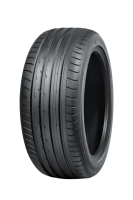
- EU Label: E/A/71
- 3PMSF: no
- Weight: 12.36 kgs
- Tread: 7.9 mm
| Test | # | Result | % |
|---|---|---|---|
| Dry Braking | 9th | 37.48 M | 88.5% |
| Dry Handling | 8th | 54.4 s | 95.88% |
| Test | # | Result | % |
|---|---|---|---|
| Wet Braking | 4th | 55.9 M | 89.68% |
| Wet Handling | 4th | 91.69 s | 90.78% |
| Straight Aqua | 2nd | 89.43 Km/H | 99.29% |
| Curved Aquaplaning | 2nd | 2.77 m/sec2 | 95.85% |
| Test | # | Result | % |
|---|---|---|---|
| Subj. Comfort | 1st | 10 Points | 100% |
| Noise | 1st | 71.3 dB | 100% |
| Test | # | Result | % |
|---|---|---|---|
| Rolling Resistance | 3rd | 9.165 kg / t | 98.04% |
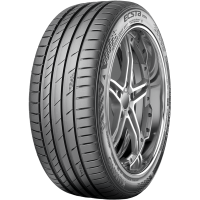
- EU Label: D/A/73
- 3PMSF: no
- Weight: 11.42 kgs
- Tread: 7.7 mm
| Test | # | Result | % |
|---|---|---|---|
| Dry Braking | 6th | 36.58 M | 90.68% |
| Dry Handling | 7th | 53.94 s | 96.7% |
| Test | # | Result | % |
|---|---|---|---|
| Wet Braking | 5th | 56.18 M | 89.23% |
| Wet Handling | 7th | 93.86 s | 88.69% |
| Straight Aqua | 1st | 90.07 Km/H | 100% |
| Curved Aquaplaning | 1st | 2.89 m/sec2 | 100% |
| Test | # | Result | % |
|---|---|---|---|
| Subj. Comfort | 8th | 8.8 Points | 88% |
| Noise | 9th | 74.8 dB | 95.32% |
| Test | # | Result | % |
|---|---|---|---|
| Rolling Resistance | 4th | 9.285 kg / t | 96.77% |
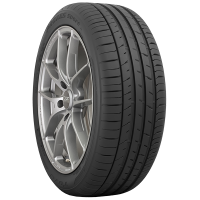
- EU Label: E/A/70
- 3PMSF: no
- Weight: 10.96 kgs
- Tread: 7.2 mm
| Test | # | Result | % |
|---|---|---|---|
| Dry Braking | 7th | 36.83 M | 90.06% |
| Dry Handling | 5th | 53.24 s | 97.97% |
| Test | # | Result | % |
|---|---|---|---|
| Wet Braking | 9th | 61 M | 82.18% |
| Wet Handling | 5th | 91.75 s | 90.72% |
| Straight Aqua | 5th | 87.66 Km/H | 97.32% |
| Curved Aquaplaning | 8th | 2.43 m/sec2 | 84.08% |
| Test | # | Result | % |
|---|---|---|---|
| Subj. Comfort | 1st | 10 Points | 100% |
| Noise | 5th | 73.6 dB | 96.88% |
| Test | # | Result | % |
|---|---|---|---|
| Rolling Resistance | 9th | 9.655 kg / t | 93.06% |
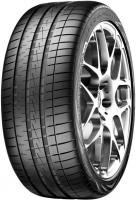
- EU Label: D/A/71
- 3PMSF: no
- Weight: 12.7 kgs
- Tread: 7.4 mm
| Test | # | Result | % |
|---|---|---|---|
| Dry Braking | 8th | 36.85 M | 90.01% |
| Dry Handling | 6th | 53.51 s | 97.48% |
| Test | # | Result | % |
|---|---|---|---|
| Wet Braking | 6th | 56.31 M | 89.03% |
| Wet Handling | 6th | 93.57 s | 88.96% |
| Straight Aqua | 6th | 87.1 Km/H | 96.7% |
| Curved Aquaplaning | 7th | 2.49 m/sec2 | 86.16% |
| Test | # | Result | % |
|---|---|---|---|
| Subj. Comfort | 1st | 10 Points | 100% |
| Noise | 6th | 73.7 dB | 96.74% |
| Test | # | Result | % |
|---|---|---|---|
| Rolling Resistance | 8th | 9.605 kg / t | 93.55% |
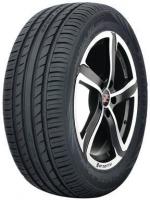
- EU Label: C/B/72
- 3PMSF: no
- Weight: 11.59 kgs
- Tread: 7.7 mm
| Test | # | Result | % |
|---|---|---|---|
| Dry Braking | 10th | 37.52 M | 88.41% |
| Dry Handling | 10th | 54.95 s | 94.92% |
| Test | # | Result | % |
|---|---|---|---|
| Wet Braking | 8th | 60.97 M | 82.22% |
| Wet Handling | 9th | 96.95 s | 85.86% |
| Straight Aqua | 4th | 88.08 Km/H | 97.79% |
| Curved Aquaplaning | 4th | 2.57 m/sec2 | 88.93% |
| Test | # | Result | % |
|---|---|---|---|
| Subj. Comfort | 4th | 9.5 Points | 95% |
| Noise | 6th | 73.7 dB | 96.74% |
| Test | # | Result | % |
|---|---|---|---|
| Rolling Resistance | 1st | 8.985 kg / t | 100% |
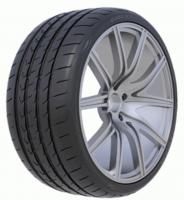
- EU Label: E/B/73
- 3PMSF: no
- Weight: 12.44 kgs
- Tread: 7.2 mm
| Test | # | Result | % |
|---|---|---|---|
| Dry Braking | 5th | 36.36 M | 91.23% |
| Dry Handling | 9th | 54.57 s | 95.58% |
| Test | # | Result | % |
|---|---|---|---|
| Wet Braking | 10th | 64.06 M | 78.25% |
| Wet Handling | 10th | 101.1 s | 82.33% |
| Straight Aqua | 9th | 85.26 Km/H | 94.66% |
| Curved Aquaplaning | 10th | 2.38 m/sec2 | 82.35% |
| Test | # | Result | % |
|---|---|---|---|
| Subj. Comfort | 6th | 9 Points | 90% |
| Noise | 2nd | 71.8 dB | 99.3% |
| Test | # | Result | % |
|---|---|---|---|
| Rolling Resistance | 5th | 9.4 kg / t | 95.59% |