Tire testing is incredibly complicated to conduct, and one of the most difficult parts of testing is good repeatability.
Take for example wet braking. To get the wet braking distance of a tire, you don't just do the braking run once, you do it 6-8 times, delete the outliers then average out the results. Even on the most expensive test facilities in the world, with the most perfect sprinkler systems and perfect tarmac, you rarely get the same distance twice as there are so many variables, which means when you use a less than state of the art facility, results can be surprising.
This brings us on to this test by the Italian publication "al volante".
On the surface, this should be a very interesting test, as it includes the new Goodyear EfficientGrip Performance 2 and the new Pirelli Cinturato P7 C2, but after initial inspection, the test seemed of limited use.
Firstly, we've never seen such a big advantage in wet braking by a single tire as this test, and having spoken to Continental they're unsure of why it was so large. Secondly, while the Ultrac Satin has never been the best dry braking tire, 8 meters difference from just 100 KM/H is almost unheard of. Thirdly, the testers indicate in their writing that dry handling was conducted, but no times were given, and lastly with a 25% difference in wet braking, I would have expected much more than a 2% difference in wet handling, especially over a 100 second lap!
Having spoken to a number of tire manufacturers in this test, it seems the test wasn't conducted at a permanent facility, but a temporary one, which could explain the interesting results below.
In short, this is another piece of information to help you select the best tires for your vehicle, but perhaps it's best not to read into this test too much. Make sure to browse all the other tests available on Tire Reviews.
Dry
Dry Braking
Spread: 8.00 M (22.5%)|Avg: 37.89 M
Dry braking in meters (Lower is better)
Continental Premium Contact 6
35.60 M
Pirelli Cinturato P7 C2
35.90 M
Michelin Primacy 4
36.40 M
Nokian WetProof
36.40 M
Hankook Ventus Prime 3 K125
36.70 M
Bridgestone Turanza T005
36.90 M
Goodyear EfficientGrip Performance
37.00 M
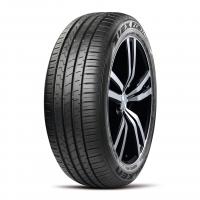
Falken ZIEX ZE310 EcoRun
39.00 M
Roadhog RGHP01
41.40 M
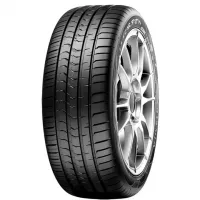
Vredestein Ultrac Satin
43.60 M
Wet
Wet Braking
Spread: 6.70 M (25.3%)|Avg: 29.98 M
Wet braking in meters (Lower is better)
Continental Premium Contact 6
26.50 M
Nokian WetProof
28.30 M
Pirelli Cinturato P7 C2
29.00 M
Michelin Primacy 4
29.10 M
Goodyear EfficientGrip Performance
29.50 M
Bridgestone Turanza T005
29.60 M
Falken ZIEX ZE310 EcoRun
30.60 M
Hankook Ventus Prime 3 K125
31.90 M
Roadhog RGHP01
32.10 M
Vredestein Ultrac Satin
33.20 M
Wet Handling
Spread: 3.00 s (3%)|Avg: 102.13 s
Wet handling time in seconds (Lower is better)
Hankook Ventus Prime 3 K125
101.20 s
Bridgestone Turanza T005
101.20 s
Goodyear EfficientGrip Performance
101.40 s
Michelin Primacy 4
101.60 s
Continental Premium Contact 6
101.70 s
Nokian WetProof
101.90 s
Pirelli Cinturato P7 C2
101.90 s
Falken ZIEX ZE310 EcoRun
102.10 s
Roadhog RGHP01
104.10 s
Vredestein Ultrac Satin
104.20 s
Straight Aqua
Spread: 2.80 Km/H (3.7%)|Avg: 74.91 Km/H
Float Speed in Km/H (Higher is better)
Continental Premium Contact 6
75.90 Km/H
Falken ZIEX ZE310 EcoRun
75.30 Km/H
Hankook Ventus Prime 3 K125
75.20 Km/H
Bridgestone Turanza T005
75.20 Km/H
Vredestein Ultrac Satin
75.10 Km/H
Goodyear EfficientGrip Performance
75.00 Km/H
Nokian WetProof
75.00 Km/H
Pirelli Cinturato P7 C2
74.70 Km/H
Michelin Primacy 4
74.60 Km/H
Roadhog RGHP01
73.10 Km/H
Environment
Rolling Resistance
Spread: 2.50 kg / t (36.2%)|Avg: 8.37 kg / t
Rolling resistance in kg t (Lower is better)
Bridgestone Turanza T005
6.90 kg / t
Michelin Primacy 4
7.40 kg / t
Goodyear EfficientGrip Performance
7.60 kg / t
Roadhog RGHP01
7.80 kg / t
Hankook Ventus Prime 3 K125
8.70 kg / t
Continental Premium Contact 6
8.70 kg / t
Pirelli Cinturato P7 C2
8.70 kg / t
Vredestein Ultrac Satin
9.20 kg / t
Nokian WetProof
9.30 kg / t
Falken ZIEX ZE310 EcoRun
9.40 kg / t
19,000 km
£1.45/L
8.0 L/100km
--
Annual Difference
--
Lifetime Savings
--
Extra Fuel/Energy
--
Extra CO2
Estimates based on typical driving conditions. Rolling resistance accounts for approximately 20% of IC vehicle fuel consumption and 25% of EV energy consumption. Actual savings vary based on driving style, vehicle weight, road conditions, and tire age. For comparative purposes only. Lifetime savings based on a 40,000km / 25,000 mile tread life.
Well here You have noted for Nokian Tire: ''Average wet performance'' and for Michelin ''safe dry and wet handling'' but results shows similar performance. Since Nokian tire produce less noise and rolling resistance I would expect Nokian tire to be in front of Michelin. Continental Premium Contact 6 is 15-20% cheaper here in Serbia than Michelin so it's best buy by far.
Aquaplaning is quite a technical test, and without the support of a tire manufactures test facility I'm unsure how they would have performed it accurately.
I am glad to see the EVER FIRST test of the new (made in 2020)PIRELLI CINTURATO P7 C2 (Pirelli P7C2) and the SECOND test of the new GOODYEAR EFFICIENTGRIP PERFORMANCE 2 (Goodyear EGP2) tires. Thanx to Jonathan's caveats, I approached the test results with care. Honestly speaking, any tire or automotive magazine's or website's tests may come only second to those of TireReviews.co.uk in terms of unbiasedness and objectivity. However, we have to buy what is available in terms of testing until Jonathan posts his own test video on Youtube.
I already ordered a set of Pirelli P7C2 Seal-Inside in 18" (235/45/R18) size for my car which had been imported with the same stock tires from Germany (but of the previous generation, manufactured in 2016). I haven't had fitted the new tires on my car; I am planning to do so in April 2021. So, why the hell am I buying them 9 months ahead of time?
Because of the almost hyper-inflationary economy in the country. Reckoning with the 400 TL gas/diesel gift cheque redeemable at one of the major petrol station chains of Turkey which you are eligible to receive once you buy a new set of (four pieces of) of 18" or above Pirelli tires, I will pay (1000 - 400/4) = 900 TL per tire for the new P7C2 Seal-Insides. So, roughly £105 each.
I am expecting this retail price to remain more or less the same in British Pounds. Though, in Turkish Lira the price may soar to 1,400 TL or even 1,500 TL per piece by April 2021. That's why...
Looking forward to your own assessment of Pirelli P7C2 and Goodyear EGP2, Dear Jonathan LORD OF THE BLACK RUBBER RINGS.
God bless you and your website, Globally #1 Authority on Automobile/SUV tires.



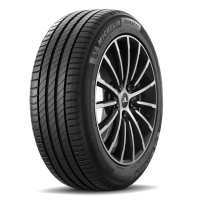
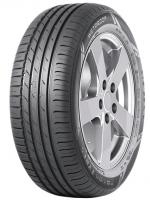
Well here You have noted for Nokian Tire: ''Average wet performance'' and for Michelin ''safe dry and wet handling'' but results shows similar performance. Since Nokian tire produce less noise and rolling resistance I would expect Nokian tire to be in front of Michelin.
Continental Premium Contact 6 is 15-20% cheaper here in Serbia than Michelin so it's best buy by far.
intresting that Conti does well in aquaplaning here - rather contradictory to https://www.tirereviews.co....
Aquaplaning is quite a technical test, and without the support of a tire manufactures test facility I'm unsure how they would have performed it accurately.
Apparently I missed the first test of the P7 C2, good results.
I'm very surprised by the high noise level of the Primacy 4 which is supposed to be a very quiet tire.
I am glad to see the EVER FIRST test of the new (made in 2020) PIRELLI CINTURATO P7 C2 (Pirelli P7C2) and the SECOND test of the new GOODYEAR EFFICIENTGRIP PERFORMANCE 2 (Goodyear EGP2) tires. Thanx to Jonathan's caveats, I approached the test results with care. Honestly speaking, any tire or automotive magazine's or website's tests may come only second to those of TireReviews.co.uk in terms of unbiasedness and objectivity. However, we have to buy what is available in terms of testing until Jonathan posts his own test video on Youtube.
I already ordered a set of Pirelli P7C2 Seal-Inside in 18" (235/45/R18) size for my car which had been imported with the same stock tires from Germany (but of the previous generation, manufactured in 2016). I haven't had fitted the new tires on my car; I am planning to do so in April 2021. So, why the hell am I buying them 9 months ahead of time?
Because of the almost hyper-inflationary economy in the country. Reckoning with the 400 TL gas/diesel gift cheque redeemable at one of the major petrol station chains of Turkey which you are eligible to receive once you buy a new set of (four pieces of) of 18" or above Pirelli tires, I will pay (1000 - 400/4) = 900 TL per tire for the new P7C2 Seal-Insides. So, roughly £105 each.
I am expecting this retail price to remain more or less the same in British Pounds. Though, in Turkish Lira the price may soar to 1,400 TL or even 1,500 TL per piece by April 2021. That's why...
Looking forward to your own assessment of Pirelli P7C2 and Goodyear EGP2, Dear Jonathan LORD OF THE BLACK RUBBER RINGS.
God bless you and your website, Globally #1 Authority on Automobile/SUV tires.
We have the P7C2 in out 16" test, I'm looking forward to trying it out in 3 weeks!