Below is the data from the 2024 EVO Summer Tire Test. As usual, EVO do an excellent job of digging into the subjective nature of the tires, so be sure to read the full test over at https://www.evo.co.uk/technology
EVO is not affiliated with, and does not endorse, Tire Reviews. This is independent editorial coverage of their published test.
Dry
Dry Braking
Dry Braking
Spread: 4.40 M (14.3%)|Avg: 33.07 M
Dry braking in meters (Lower is better)
Continental SportContact 7
30.70 M
Bridgestone Potenza Sport
32.10 M
Michelin Pilot Sport 4 S
33.10 M
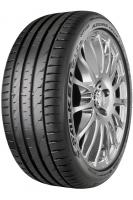
Falken Azenis FK520
33.40 M
Goodyear Eagle F1 SuperSport
33.50 M
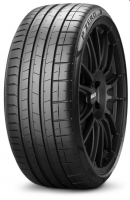
Pirelli P Zero PZ4
33.60 M
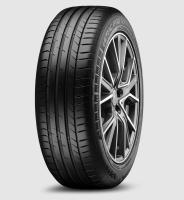
Vredestein Ultrac Pro
35.10 M
Dry Handling
Dry Handling
Spread: 1.94 s (1.9%)|Avg: 101.36 s
Dry handling time in seconds (Lower is better)
Goodyear Eagle F1 SuperSport
100.58 s
Vredestein Ultrac Pro
101.18 s
Bridgestone Potenza Sport
101.20 s
Michelin Pilot Sport 4 S
101.21 s
Pirelli P Zero PZ4
101.23 s
Continental SportContact 7
101.58 s
Falken Azenis FK520
102.52 s
Subj. Dry Handling
Subj. Dry Handling
Spread: 10.00 Points (16.4%)|Avg: 56.93 Points
Subjective Dry Handling Score (Higher is better)
Continental SportContact 7
61.00 Points
Michelin Pilot Sport 4 S
58.50 Points
Bridgestone Potenza Sport
58.00 Points
Goodyear Eagle F1 SuperSport
57.00 Points
Vredestein Ultrac Pro
57.00 Points
Pirelli P Zero PZ4
56.00 Points
Falken Azenis FK520
51.00 Points
Wet
Wet Braking
Wet Braking
Spread: 3.70 M (11.8%)|Avg: 33.24 M
Wet braking in meters (Lower is better)
Michelin Pilot Sport 4 S
31.40 M
Continental SportContact 7
32.30 M
Vredestein Ultrac Pro
32.30 M
Goodyear Eagle F1 SuperSport
33.50 M
Falken Azenis FK520
34.00 M
Pirelli P Zero PZ4
34.10 M
Bridgestone Potenza Sport
35.10 M
Wet Handling
Wet Handling
Spread: 3.76 s (5.6%)|Avg: 69.25 s
Wet handling time in seconds (Lower is better)
Bridgestone Potenza Sport
67.51 s
Pirelli P Zero PZ4
68.36 s
Michelin Pilot Sport 4 S
69.17 s
Continental SportContact 7
69.25 s
Goodyear Eagle F1 SuperSport
69.41 s
Vredestein Ultrac Pro
69.80 s
Falken Azenis FK520
71.27 s
Subj. Wet Handling
Subj. Wet Handling
Spread: 13.00 Points (21.7%)|Avg: 56.29 Points
Subjective Wet Handling Score (Higher is better)
Goodyear Eagle F1 SuperSport
60.00 Points
Pirelli P Zero PZ4
58.00 Points
Bridgestone Potenza Sport
58.00 Points
Michelin Pilot Sport 4 S
57.50 Points
Vredestein Ultrac Pro
57.00 Points
Continental SportContact 7
56.50 Points
Falken Azenis FK520
47.00 Points
Straight Aqua
Straight Aqua
Spread: 2.81 Km/H (3.9%)|Avg: 71.48 Km/H
Float Speed in Km/H (Higher is better)
Bridgestone Potenza Sport
72.66 Km/H
Goodyear Eagle F1 SuperSport
72.04 Km/H
Continental SportContact 7
72.00 Km/H
Vredestein Ultrac Pro
71.76 Km/H
Falken Azenis FK520
71.43 Km/H
Michelin Pilot Sport 4 S
70.61 Km/H
Pirelli P Zero PZ4
69.85 Km/H
Curved Aquaplaning
Curved Aquaplaning
Spread: 3.51 m/sec2 (5.1%)|Avg: 67.26 m/sec2
Remaining lateral acceleration (Higher is better)
Falken Azenis FK520
69.33 m/sec2
Pirelli P Zero PZ4
67.78 m/sec2
Goodyear Eagle F1 SuperSport
67.70 m/sec2
Continental SportContact 7
67.14 m/sec2
Bridgestone Potenza Sport
66.88 m/sec2
Vredestein Ultrac Pro
66.14 m/sec2
Michelin Pilot Sport 4 S
65.82 m/sec2
Comfort
Subj. Noise
Subj. Noise
Spread: 3.50 Points (14.3%)|Avg: 23.14 Points
Subjective in car noise levels (Higher is better)
Continental SportContact 7
24.50 Points
Michelin Pilot Sport 4 S
24.00 Points
Pirelli P Zero PZ4
23.50 Points
Goodyear Eagle F1 SuperSport
23.50 Points
Vredestein Ultrac Pro
23.50 Points
Bridgestone Potenza Sport
22.00 Points
Falken Azenis FK520
21.00 Points
Value
Rolling Resistance
Rolling Resistance
Spread: 1.94 kg / t (22.8%)|Avg: 9.24 kg / t
Rolling resistance in kg t (Lower is better)
Michelin Pilot Sport 4 S
8.50 kg / t
Falken Azenis FK520
8.68 kg / t
Vredestein Ultrac Pro
8.86 kg / t
Continental SportContact 7
9.01 kg / t
Pirelli P Zero PZ4
9.17 kg / t
Bridgestone Potenza Sport
10.04 kg / t
Goodyear Eagle F1 SuperSport
10.44 kg / t
19,000 km
£1.45/L
8.0 L/100km
--
Annual Difference
--
Lifetime Savings
--
Extra Fuel/Energy
--
Extra CO2
Estimates based on typical driving conditions. Rolling resistance accounts for approximately 20% of IC vehicle fuel consumption and 25% of EV energy consumption. Actual savings vary based on driving style, vehicle weight, road conditions, and tire age. For comparative purposes only. Lifetime savings based on a 40,000km / 25,000 mile tread life.
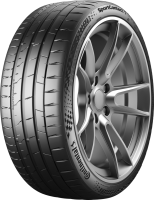
The Continental SportContact 7 showed remarkable improvement from its sixth-place finish last year to take the overall win. Its dry handling performance was particularly impressive, topping the subjective scores and showing excellent speed through corners. The tire demonstrated a perfect balance of grip and feedback, setting strong times while maintaining good feel. In wet conditions, it built on these strengths with strong scores across all tests. The tire's performance in dry conditions was notably strong, matching or beating the previous benchmark times while feeling more composed. This combination of improved performance across all conditions, along with good refinement and balance, made it the clear winner and earned it top marks in most key categories.
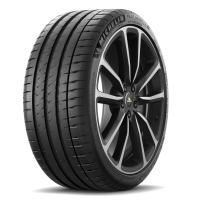
The Michelin Pilot Sport 4 S demonstrated significant improvements over its previous version, particularly in straight-line aquaplaning where it had traditionally struggled. The standout performance came in wet braking, where it jumped from third to first place. The tire felt secure and precise in wet conditions, ranking fourth in both subjective scores and lap times. It was especially impressive in high-speed wet driving, offering a fluid feel through transitions with bright and connected steering feedback. While not outstanding in all wet tests, it made up for this with strong dry performance and good refinement. The combination of strong wet performance, excellent dry handling, and the lowest rolling resistance in the test secured its second-place finish.
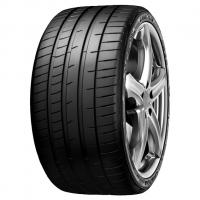
The Goodyear Eagle F1 Supersport showed strong performance across all tests, particularly standing out in wet conditions. The tire was quick around the handling circuit, just a fraction behind the quickest time, and scored highly in subjective rating with good grip levels. It demonstrated a stable yet adjustable character in the wet while maintaining strong precision. The tire's wet braking was solid, coming in fourth with a stopping distance about 2m off the best. Aquaplaning resistance was strong in both straight and curved tests, and the tire showed good levels of refinement on the road, though it initially needed some warming up. Overall, an impressive performance that earned it third place.
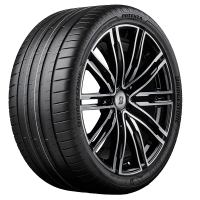
The Bridgestone Potenza Sport, last year's winner, delivered another strong performance but missed out on the overall win as competitors stepped up their game. It set the pace in wet handling, being a second faster than the next best tire and matching that with strong subjective scores. The tire showed good balance and traction in wet conditions, though it was less progressive than some rivals. In the dry, it ranked third in both lap times and subjective scores, demonstrating good response at medium to high speeds. Its only real weaknesses were high rolling resistance and somewhat disappointing wet braking results, but it remained an impressive performer overall.
Testing the new Vredestein Ultrac Pro for the first time, it showed strong consistency across all tests, particularly in wet conditions. The tire performed well in wet circle and wet handling lap times, coming in just two metres behind the best in wet braking. Its strongest showing was in dry handling, where it offered good precision and adjustability, though it placed seventh and last in dry braking. The tire demonstrated progressive, predictable behavior and was easily managed at the limit. While its weak point was dry braking, it showed decent refinement on the road and strong overall performance that nearly matched the top-tier tires.
The Pirelli P Zero PZ4 finished sixth in testing, showing better performance than previous versions but still lagging behind the top performers. The tire showed strong wet subjective scores and performed adequately in dry tests. Braking performance was mixed, coming in fifth in wet braking at 2.5m behind the best. In wet tests, the tire was quick but lacked steering feel, though it was sharp and responsive with strong on-the-brakes performance. The tire stood out for refinement, being one of the quietest on test, but lacked some feedback and outright steering feel compared to the leaders.
The Falken Azenis FK520's strongest performance was in curved aquaplaning, where it topped the results, backed by decent straight-line aquaplaning resistance. However, it struggled in most other areas, finishing seventh in wet handling (almost four seconds off the best lap time) and scoring poorly in subjective handling tests. The tire needed careful management in wet conditions, requiring time to settle into turns and showing tentative grip characteristics. While it offered good refinement on regular roads, the Falken struggled to match its high-performance competitors, particularly in wet conditions. Feedback from the tire was decent, but it needs improvement in wet grip to compete with the leading brands.

Discussion