Every tire is tested using calibrated instrumented measurement and structured subjective assessment. Reference tires are retested throughout each session to correct for changing conditions, ensuring fair, repeatable comparisons. Multiple reference sets are used where needed so that control tire wear does not affect accuracy.
We use professional-grade testing equipment including GPS data loggers, accelerometers, and calibrated microphones. All tires are broken in and conditioned before testing begins. For full details on our equipment, preparation process, and calibration procedures, see our complete testing methodology.
Categories Tested
Dry Handling
For dry handling, I drive at the limit of adhesion around a dedicated handling circuit with ESC disabled where possible so I can assess the tire's natural balance, transient response, and limit behaviour without electronic intervention masking the result. I usually complete between two and five timed laps per tire set, depending on the circuit, tire type, and consistency of conditions. I exclude laps affected by clear driver error or obvious environmental inconsistency. Control runs are carried out frequently throughout the session, and I often use multiple sets of control tires so that wear on the references does not become a meaningful variable. For more track-focused products, I also do endurance testing, which is a set number of laps at race pace to determine tire wear patterns and heat resistance over longer driving.
Subj. Dry Handling
Objective data is only part of the picture, so I also carry out a structured subjective handling assessment at the limit of adhesion on a dedicated dry handling circuit. I score steering precision, steering response, turn-in behaviour, mid-corner balance, corner-exit traction, breakaway characteristics, and overall confidence using a standardised 1–10 scale used consistently across my testing. The final assessment combines numeric scoring with written technical commentary. I complete familiarisation laps on the control tire before evaluating each candidate.
How each category is weighted in the overall score:
Dry100%
Dry Handling83%
Subj. Dry Handling17%
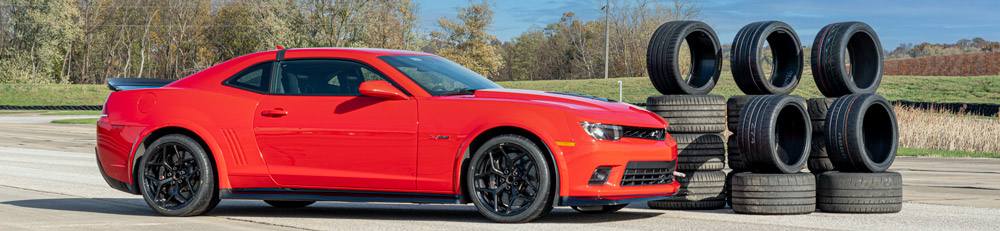
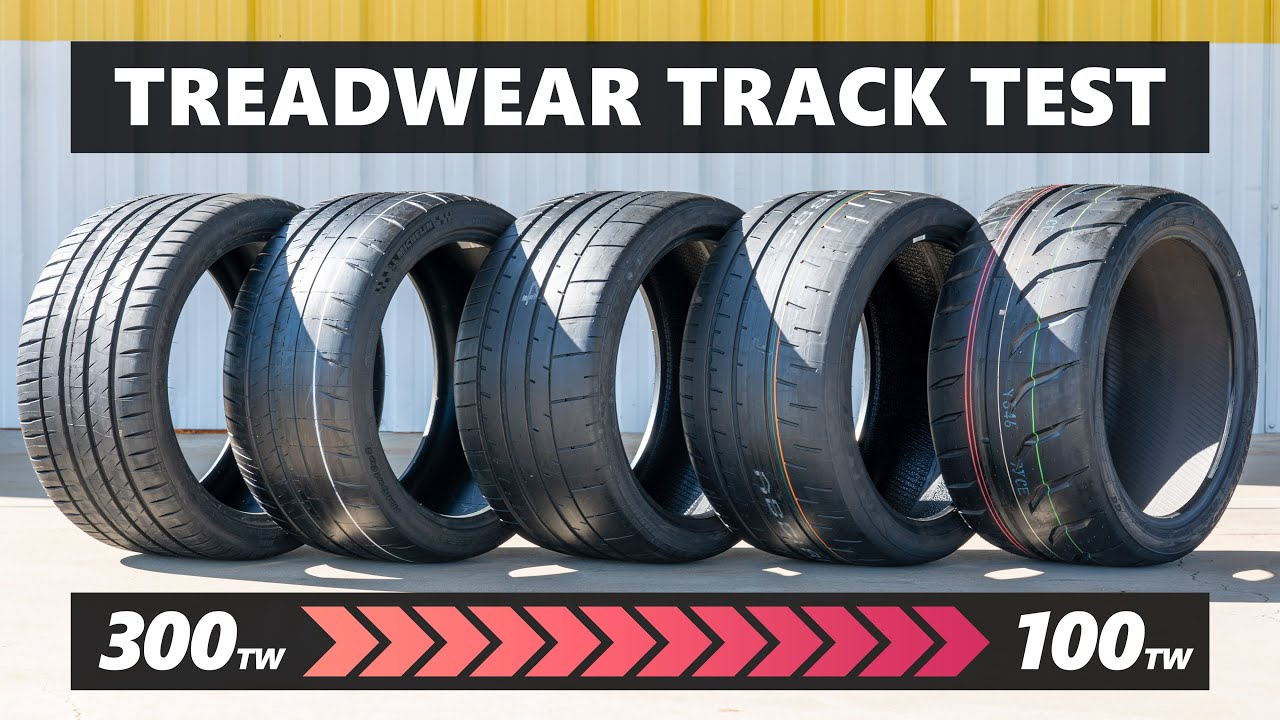
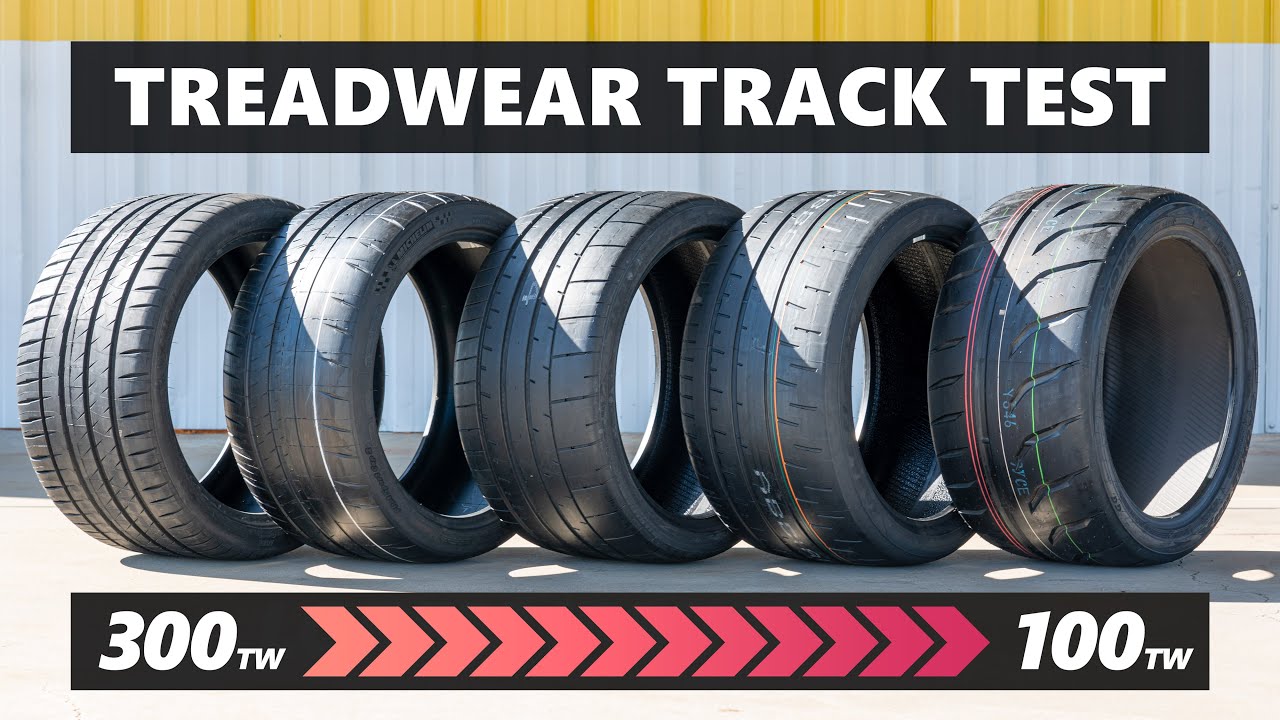
It doesn't take much to make me happy, but a Chevrolet Camaro SS 1LE at Nelson Ledges with five sets of tires ranging from treadwear 300 to treadwear 100... well that's a very easy place to be happy.
The reason for this test was to see if a lower treadwear value, which is a number the American Uniform Tire Quality Grade (UTQG) standards body assign to a tire based on a basic wear test, really does mean more grip, but it turned out to be a fascinating insight into some of the big hitting tires used on track in North America.
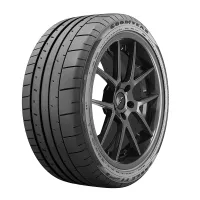
The surprise of the show was the Goodyear Eagle F1 SuperCar 3. Sadly this tire isn't available in Europe, and sits somewhere between the Michelin Pilot Sport 4 S and Cup 2. Dynamically it's outstanding for its sector, with crisp steering and great feedback, and good grip to match, finishing just a little slower than the Cup 2.
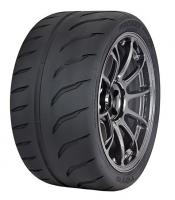
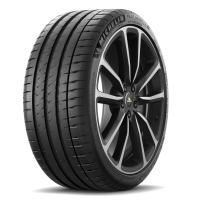
The Michelin Pilot Sport 4S, which is a UUHP road tire, almost matched the one lap pace of the Toyo R888R, which is either very good for the Michelin or very bad for the Toyo. The internet seems to love the R888R, so perhaps it works better in smaller sizes on lighter cars, but on this 305/30 R19 it was a difficult tire at the limit. If you drove at 9/10th, it felt great, but when you tried to extract the final pace from the tire is gave very poor feedback and seemingly random grip.
As for the original question, does a lower treadwear rating mean more grip, if we ignore the Toyo yes it does, but thanks to the Toyo, in this test, it does not.
The Goodyear Eagle F1 SuperCar 3 R offers extremely high levels of grip, even compared to the Cup 2. The steering is heavy, offering excellent feedback and a high speed of direction change. When the tires are in their operating temperature window, the grip is unrivaled in this test, and it gives you the ability to adjust your lines at the limit of grip. Extremely fast track tire.
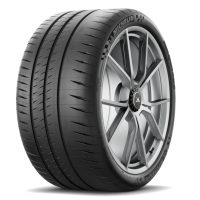
The Michelin Pilot Sport Cup 2 performs as expected from the Cup 2, it offers high levels of grip and is very easy to drive for a track tire, however it breaks into understeer earlier than the SuperCar 3.
The Goodyear Eagle F1 SuperCar 3 is a very impressive road / track hybrid tire. The steering is well weighted, quick and direct, offering good feedback and sportier levels of driving than even the Michelin Pilot Sport Cup 2. The grip levels are very high, with the lap time a second ahead of the Michelin Pilot Sport 4S. This is an outstanding road tire on track, and the surprise of the test for me.
The Toyo R888R is a difficult tire to drive at the very limit. At 8/10th the tire feels sporty with direct steering and a nice weighting, however when you get to the limit the tires balance moves around without much feedback, and once past the limit of grip is oversteers very quickly. The tire also produces a lot of tread pattern noise at speed.
Considering the Michelin Pilot Sport 4 S is the most road focused tire in this track test, it was very impressive. There is the usual 4S delay to the steering, especially compared to the SuperCar 3, and the steering is light and non communicative. However this would be the best tire in the wet, and offers road levels of comfort. Impressive all round ability.




Discussion