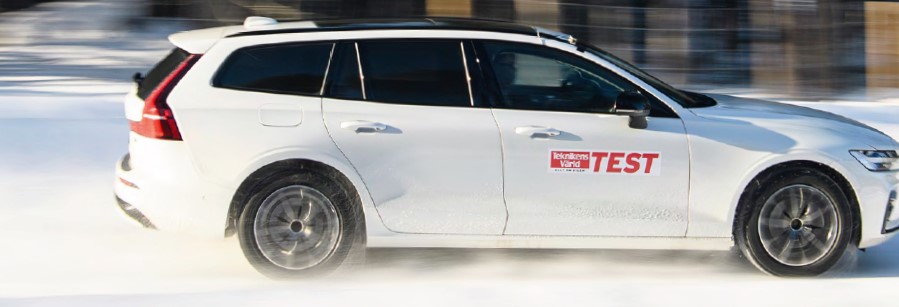
The 2024 winter tire test conducted by Teknikens Värld, a Swedish automotive magazine, evaluated 18 different tires across various categories, including studded, Nordic non-studded, and Central European winter tires. The test also included two used tires to demonstrate how performance changes over time.
The magazine crowned an overall winner, which we feel is a bit of an odd choice given the differing target requirements. The overall winner of the test was the Continental ContiVikingContact 8, a Nordic non-studded tire that demonstrated excellent all-round performance. It maintained the strong winter capabilities of its predecessor while significantly improving wet performance and rolling resistance. This proved manufacturers are working to address the traditional weaknesses of Nordic non-studded tires, particularly in wet conditions.
Among the studded tires, the Pirelli Ice Zero 2 emerged as the top performer, offering a good balance of winter and wet performance. However, it was noted that studded tires generally had higher rolling resistance and noise levels compared to non-studded options.
The Central European non-studded tires, represented by models like the Continental WinterContact TS870 and Michelin Alpin 6, showed their strengths in wet and dry conditions but, as expected, struggled more in pure winter conditions compared to their Nordic counterparts.
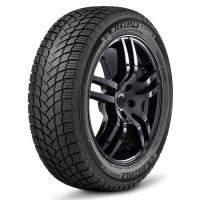
The test highlighted some interesting trends in tire development. Nordic non-studded tires have shown significant improvements in wet performance over the years, narrowing the gap with Central European tires in this area while maintaining their superior winter performance. However, the test also revealed that some established models, like the Continental IceContact 3 (studded) and Michelin X-Ice Snow (Nordic non-studded), underperformed compared to expectations, suggesting room for improvement or the need for updated models.
Rolling resistance was a key factor in the overall rankings, with significant variations observed between different tires. This aspect is becoming increasingly important, especially with the growing focus on fuel efficiency and the rise of electric vehicles.
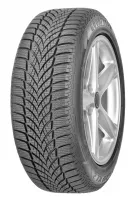
The inclusion of used tires in the test provided valuable insights into performance degradation over time. The used studded tire (Michelin X-Ice North 4) retained more of its winter performance compared to the used Nordic non-studded tire (Goodyear UltraGrip Ice 2), which showed dangerous levels of deterioration in ice and snow performance.
Comfort and noise levels were also evaluated, with notable differences observed between studded and non-studded tires. The Bridgestone Blizzak Spike 3, for instance, showed excellent ice grip but was criticized for its high noise levels.
The test emphasized the importance of choosing the right tire based on individual driving conditions and priorities. It highlighted that while some tires excel in specific areas, the best overall performers offer a balanced set of capabilities across various conditions.
Overall, the test demonstrated the ongoing evolution in winter tire technology, with manufacturers striving to create tires that perform well across a wide range of winter conditions while also addressing concerns about fuel efficiency and comfort. It also underscored the importance of regular tire replacement, as performance can degrade significantly over time, particularly for non-studded winter tires.
Due to the magazine scoring on a point system rather than raw data, we have put the results in the table below. The scores for Ice and Snow are out of 20, while other categories are out of 10. The test uses a penalty system where tires that perform extremely poorly in any single category receive a significant point deduction from their total score. This is designed to penalize tires that might excel in some areas but have dangerous deficiencies in others. Specifically, any tire that scores a 1 (on a 1-10 scale) or a 2 (on a 2-20 scale) in any category receives a 10-point deduction from its total score. Keep in mind all the tires were tested together, so for example the wet scores translate across all three categories.
1. Studded Tires
| Rank |
Tire |
Raw Score |
Final Score |
Ice |
Snow |
Wet |
Dry |
Aquaplaning |
Comfort |
Stability |
Fuel Efficiency |
Lane Change |
Fuel Use |
| 1 |
Pirelli Ice Zero 2 |
111 |
111 |
16 |
18 |
4 |
6 |
63.9 km/h |
5 |
8 |
4 |
71 km/h |
0.5738 l/10km |
| 2 |
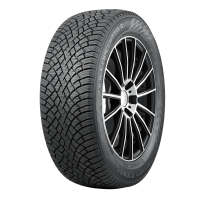
Nokian Hakkapeliitta 10 |
114 |
104 |
20 |
18 |
3 |
5 |
66.7 km/h |
3 |
6 |
2 |
72 km/h |
0.5882 l/10km |
| 3 |
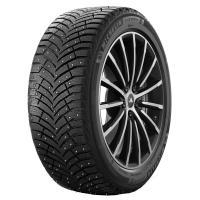
Michelin X Ice North 4 |
103 |
103 |
16 |
16 |
3 |
6 |
65.4 km/h |
6 |
8 |
2 |
71 km/h |
0.5886 l/10km |
| 4 |
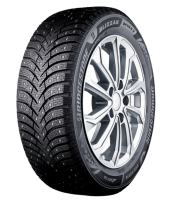
Bridgestone Blizzak Spike 3 |
108 |
98 |
20 |
16 |
2 |
5 |
65.5 km/h |
1 |
7 |
6 |
72 km/h |
0.5667 l/10km |
| 5 |
Goodyear UltraGrip Arctic 2 |
106 |
96 |
20 |
18 |
3 |
6 |
61.2 km/h |
4 |
7 |
1 |
72 km/h |
0.5921 l/10km |
| 6 |
Continental IceContact 3 |
103 |
93 |
16 |
18 |
4 |
6 |
63.9 km/h |
4 |
6 |
1 |
72 km/h |
0.5927 l/10km |
| 7 |
Michelin X Ice North 4 (Used) |
95 |
75 |
16 |
14 |
1 |
6 |
54.6 km/h |
6 |
8 |
4 |
72 km/h |
0.5745 l/10km |
2. Nordic Friction (Non-studded) Tires
| Rank |
Tire |
Raw Score |
Final Score |
Ice |
Snow |
Wet |
Dry |
Aquaplaning |
Comfort |
Stability |
Fuel Efficiency |
Lane Change |
Fuel Use |
| 1 |
Continental ContiVikingContact 8 |
123 |
123 |
16 |
20 |
4 |
6 |
61.6 km/h |
10 |
9 |
10 |
70 km/h |
0.5405 l/10km |
| 2 |
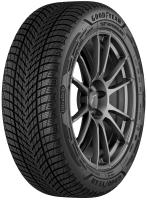
Goodyear UltraGrip Ice 3 |
116 |
116 |
14 |
18 |
4 |
6 |
60.2 km/h |
8 |
10 |
8 |
73 km/h |
0.5538 l/10km |
| 3 |
Continental ContiVikingContact 7 |
116 |
116 |
14 |
20 |
3 |
6 |
56.6 km/h |
9 |
8 |
8 |
71 km/h |
0.5553 l/10km |
| 4 |
Nokian Hakkapeliitta R5 |
110 |
110 |
14 |
20 |
3 |
6 |
59.9 km/h |
7 |
7 |
8 |
72 km/h |
0.5564 l/10km |
| 5 |
Michelin X Ice Snow |
101 |
91 |
12 |
18 |
1 |
6 |
64.2 km/h |
8 |
8 |
7 |
70 km/h |
0.5817 l/10km |
| 6 |
Goodyear UltraGrip Ice 2 (Used) |
84 |
64 |
8 |
2 |
3 |
10 |
54.3 km/h |
7 |
8 |
12 |
73 km/h |
0.5217 l/10km |
3. Central European Winter Tires
| Rank |
Tire |
Raw Score |
Final Score |
Ice |
Snow |
Wet |
Dry |
Aquaplaning |
Comfort |
Stability |
Fuel Efficiency |
Lane Change |
Fuel Use |
| 1 |
Continental WinterContact TS870 |
113 |
113 |
6 |
14 |
10 |
9 |
77.0 km/h |
7 |
9 |
8 |
76 km/h |
0.5547 l/10km |
| 2 |
Michelin Alpin 6 |
107 |
107 |
6 |
14 |
9 |
10 |
77.3 km/h |
9 |
10 |
3 |
74 km/h |
0.5817 l/10km |
| 3 |
Pirelli Cinturato Winter 2 |
104 |
104 |
8 |
14 |
8 |
9 |
77.7 km/h |
7 |
7 |
2 |
76 km/h |
0.5873 l/10km |
| 4 |
Goodyear UltraGrip Performance 3 |
104 |
104 |
6 |
14 |
9 |
9 |
80.5 km/h |
7 |
8 |
4 |
74 km/h |
0.5748 l/10km |
| 5 |
Nokian Snowproof 2 |
103 |
103 |
8 |
14 |
8 |
9 |
77.1 km/h |
7 |
7 |
6 |
72 km/h |
0.5660 l/10km |
Results
The Continental WinterContact TS870 stood out as the best-performing Central European non-studded tire in the test. It excelled in wet and dry conditions, offering performance close to that of summer tires in these areas. It performed particularly well in the moose test and showed good aquaplaning resistance. However, it struggled more on ice and snow compared to Nordic tires. The TS870 also demonstrated good rolling resistance and was rated highly for comfort and stability, making it a strong choice for milder winter conditions.
The Pirelli Ice Zero 2 emerged as the top-performing studded tire in the test. It offered good all-round performance, excelling in wet conditions for a studded tire. Its ice grip, while good, wasn't as exceptional as some other studded tires. The tire performed well in the moose test, indicating good stability. However, it suffered from higher rolling resistance and noise levels compared to non-studded options. Despite these issues, its balanced performance across various conditions made it the top choice among studded tires.
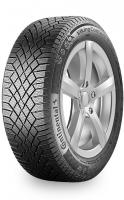
The Continental ContiVikingContact 8 emerged as the overall winner of the test. This Nordic non-studded tire successfully maintained the excellent ice and snow performance of its predecessor while significantly improving wet performance, particularly in aquaplaning resistance. It increased the top speed before aquaplaning by 5 km/h compared to the CVC 7, addressing a common weakness in Nordic non-studded tires. The CVC 8 also excelled in rolling resistance, being the most fuel-efficient tire in the test. It provided a good balance of comfort and stability on the road, representing a well-executed evolution that maintains strengths and addresses previous weaknesses.
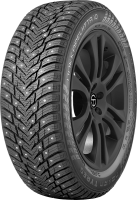
The Nokian Hakkapeliitta 10, a studded tire, offered excellent ice and snow grip and improved wet performance compared to previous models. It showed strong stability and performed well in the moose test. However, its major drawback was very high rolling resistance, which significantly impacted its fuel efficiency and lowered its overall score. The tire also produced more noise compared to non-studded options.
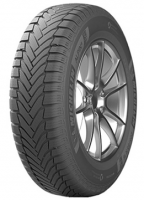
The Michelin Alpin 6, a Central European non-studded tire, matched Continental's TS870 in most areas. It excelled in wet and dry conditions, showing good stability in the moose test and strong aquaplaning resistance. However, like other tires in its category, it struggled more on ice and snow. The Alpin 6 lost ground in the overall rankings due to higher rolling resistance compared to its main competitor, impacting its fuel efficiency.
The Goodyear UltraGrip Ice 3, a Nordic non-studded tire, surprised with its well-rounded performance. While it didn't stand out exceptionally in winter conditions, with mediocre ice performance, it showed no significant weaknesses either. The tire performed well in wet conditions and showed good stability in the moose test. It also offered good comfort and relatively low rolling resistance. The balanced nature of its performance across all test categories made it a strong contender, despite not being the absolute best in any single category.
The Continental ContiVikingContact 7, the previous year's winner, still showed strong performance, particularly in winter conditions. It maintained excellent grip on ice and snow, matching its successor in these crucial areas. However, its weaknesses became more apparent in this test, particularly in wet conditions and aquaplaning resistance. Despite these shortcomings, the CVC 7 still performed admirably overall, demonstrating good fuel efficiency and comfort. Its performance illustrates both the strengths of Continental's Nordic tire design and the areas where improvement was needed in the newer model.
The Pirelli Cinturato Winter 2, a Central European non-studded tire, performed similarly to the Michelin Alpin 6. It showed good wet and dry performance, including strong results in the moose test and aquaplaning resistance. As expected for its category, it struggled more on ice and snow compared to Nordic tires. The tire offered a good balance of comfort and stability but had higher rolling resistance compared to some competitors.
The Michelin X-Ice North 4, a studded tire, performed adequately but not exceptionally in winter conditions. It provided good ice and snow grip but didn't stand out among other studded tires in the test. Its main drawback was very poor rolling resistance, which significantly lowered its overall rating and negatively impacted fuel efficiency. The tire offered decent comfort and stability but couldn't compete with the top performers in the test.
The used version of the Michelin X-Ice North 4 studded tire showed how performance changes over time. After 4,000 km, it still retained acceptable winter performance, especially on ice and snow. However, it struggled significantly with wet braking and aquaplaning resistance. The tire's rolling resistance had improved with wear. This performance illustrates how studded tires can maintain some winter capabilities even with significant wear.
The Nokian Hakkapeliitta R5, a Nordic non-studded tire, showed improved performance in wet conditions compared to previous years while maintaining strong ice and snow capabilities. It demonstrated good stability and comfort on the road. However, the tire had relatively high rolling resistance, which negatively impacted its fuel efficiency. Despite this drawback, its overall performance, especially in winter conditions, was commendable.
The Bridgestone Blizzak Spike 3, a studded tire, delivered the best ice grip in the test. It also performed well on snow. However, it struggled significantly on wet roads and had major issues with comfort, producing the highest noise levels in the test. Its rolling resistance was relatively low for a studded tire. While excellent for pure winter conditions, its poor wet performance and comfort issues lowered its overall ranking.
The Goodyear UltraGrip Performance 3, a Central European non-studded tire, showed strong performance in wet and dry conditions. It excelled in aquaplaning resistance and performed well in the moose test. However, like others in its category, it struggled on ice and snow. The tire offered good comfort and stability but had average rolling resistance. While it performed well overall, it couldn't match the top performers in its category.
The Michelin X-Ice Snow, a Nordic non-studded tire, disappointed in this test. Its ice grip was significantly lower than expected for its category, and it showed the worst wet braking performance in the entire test. However, it maintained decent snow performance and showed good stability. The tire's rolling resistance was average. Overall, it underperformed compared to other Nordic non-studded tires in the test.
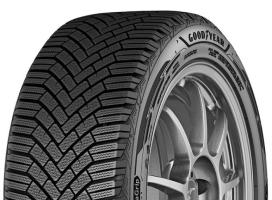
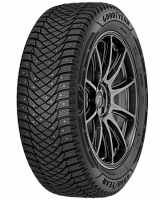
The Goodyear UltraGrip Arctic 2, a studded tire, showed good ice and snow grip but fell behind the best performers in these conditions. It struggled on wet roads and had very high rolling resistance, negatively impacting fuel efficiency. The tire's comfort and stability were average. While it provided decent winter performance, it couldn't compete with the top studded tires in the test due to its weaknesses in other areas.
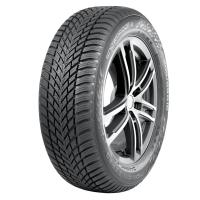
The Nokian Snowproof 2, a Central European non-studded tire, delivered typical performance for its category. It excelled in wet and dry conditions but struggled significantly on ice and snow. The tire showed good stability and comfort on the road. Its rolling resistance was mediocre, impacting fuel efficiency. While it performed adequately for its intended use, it didn't stand out among its peers.
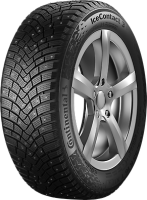
The Continental IceContact 3, a studded tire, showed a decline in performance compared to previous years. Its ice performance was notably worse than expected, and it didn't show significant advantages in other areas to compensate. The tire had the highest rolling resistance in the test, severely impacting fuel efficiency. While it still provided decent winter performance, it fell short of expectations for a premium studded tire.
The used Goodyear UltraGrip Ice 2, a Nordic non-studded tire, demonstrated significant performance degradation after 3,800 km. Its ice and snow performance had deteriorated to potentially dangerous levels. Interestingly, it showed the lowest rolling resistance in the test due to its worn state. This tire's performance highlights how Nordic non-studded tires can lose their winter capabilities more rapidly than studded tires with wear.


Discussion