

Goodyear Eagle F1 Asymmetric 6 vs Kumho Ecsta PS71
- TR Score
- 9.7/10
- Owners say
- 86% · 228
- TR Score
- 8.5/10
- Owners say
- 77% · 94
In the 5 independent tests that ran both tires, the Goodyear Eagle F1 Asymmetric 6 finished ahead 4 times and the Ecsta PS71 once. The Eagle F1 Asymmetric 6 lasted 42.4% longer in the wear tests; the Ecsta PS71 resisted straight aquaplaning at a 1.4% higher speed.
Data updated

Which should you buy?
Choose Goodyear Eagle F1 Asymmetric 6 for the best all-round performance, quietness, longevity, and lowest running costs. Choose Kumho Ecsta PS71 if you prioritize lower upfront price with strong wet braking and aquaplaning security, and can accept higher noise and faster wear.
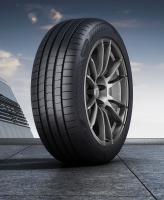
Where the Eagle F1 Asymmetric 6 is stronger
- Outstanding longevity and lowest cost per 1,000 km (e.g., 54,020-63,200 km; €6.66-€8.70/1,000 km)
- Class-leading refinement: quieter pass-by noise and better rolling resistance
- Balanced dry and wet grip with superior dry handling and reliable wet control
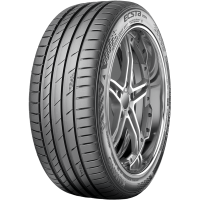
Where the Ecsta PS71 is stronger
- Excellent wet braking in multiple tests (e.g., 27.4 m vs 28.3 m; +3%)
- Very good straight-line aquaplaning resistance (often best-in-group)
- Convincing wet handling dynamics and secure overall behavior
The bullet points are analysis of the shared tests and of owner reviews; the measured wins in each discipline are in the tables below. Where the two disagree, the figures are right.
Eagle F1 Asymmetric 6 vs Ecsta PS71 at a glance
| Category | Eagle F1 Asymmetric 6 | Gap | Ecsta PS71 |
|---|---|---|---|
| Shared tests won5 shared tests | 4 | 1 | |
| Dry7 measurements | 6 | The Eagle F1 Asymmetric 6 stopped 1.9% shorter in the dry (5 tests) | 1 |
| Wet15 measurements | 10 | The Eagle F1 Asymmetric 6 stopped 1% shorter in the wet (5 tests) | 5 |
| Comfort4 measurements | 3 | The Eagle F1 Asymmetric 6 was 2.9 dB quieter (3 tests) | 0 |
| Value7 measurements | 7 | The Eagle F1 Asymmetric 6 lasted 42.4% longer in the wear tests (3 tests) | 0 |
| Tire Reviews Scoreevery test and review we hold | 9.7/10 | The Eagle F1 Asymmetric 6 by 1.2 | 8.5/10 |
| Owner rating228 and 94 reviews | 86% | The Eagle F1 Asymmetric 6 by 9 points | 77% |
| Would buy againshare of owners | 83% | The Eagle F1 Asymmetric 6 by 20 points | 63% |
| Pricein the 3 tests that listed prices | +17.6% | The Eagle F1 Asymmetric 6 was dearer in 3 of 3 | Cheaper |
| Sizes madeEU label registrations | 130 | 88 sizes made in both | 133 |
Wins count every measurement the shared tests recorded for both tires; a tick marks the tire ahead on that line. Subjective driver scores count as wins but are never averaged, because each test uses its own scale.
Head to head in 5 tests, 2023 to 2025
Each row is one published test in which both tires ran on the same car, in the same size, on the same day. The line is the whole field, winner on the left.
| Test | Eagle F1 Asymmetric 6 | Field | Ecsta PS71 |
|---|---|---|---|
| 2025 Auto Bild Summer Performance Tire Test | P1 of 20 | P4 of 20 | |
| 2025 ADAC Summer Tire Test | P4 of 18 | P13 of 18 | |
| 2025 Summer Tire Test Shootout | P6 of 52 | P4 of 52 | |
| 2023 AutoBild UHP Summer Tire Test | P1 of 20 | P5 of 20 | |
| 2023 Summer Tire Market Overview | P2 of 50 | P12 of 50 |

Performance profile
9 measurements from the 5 shared tests, each tire shown as its share of the better figure in every test.
Where each is furthest ahead
Eagle F1 Asymmetric 6
Ecsta PS71
Point at or tap any spoke for both tires' figures.
In each test the better of the two figures counts as 100% and the other as its share of it, so a 118 ft stop against 112 ft is 95%; each spoke averages the shared tests that recorded it. The scale stops at 95%: a point further in sits on the hub's edge, hollow. 5 measurements recorded in only one shared test are left off; every measurement is in the table further down.
Where each scores higher
Eagle F1 Asymmetric 6
Ecsta PS71
Not ahead in any category
Point at or tap any spoke for both tires' figures.
Category scores are percentiles among tires of the same season and class: 90 means this tire out-performs 90% of them, measured across every test we hold, not only the ones it appeared in.
Where owners rate each higher
Eagle F1 Asymmetric 6
Ecsta PS71
Not ahead in any category
Point at or tap any spoke for both tires' figures.
Owners rate the Eagle F1 Asymmetric 6 86% from 228 reviews and the Ecsta PS71 77% from 94. Each spoke is one question owners answer out of 10; reviews are vetted by hand before publication.
Every measurement, side by side
Averages of the figures both tires posted in the same tests. The gap is the average of each test's own gap, so figures from different cars and years are never mixed. Open a discipline for its measurements, and a measurement for every test's figure.
| Measurement | Eagle F1 Asymmetric 6 | Gap | Ecsta PS71 | Wins | ||||||||||||||||||||
|---|---|---|---|---|---|---|---|---|---|---|---|---|---|---|---|---|---|---|---|---|---|---|---|---|
| 112 | 1.9% | 114 | 4-1 | |||||||||||||||||||||
|
||||||||||||||||||||||||
| 75.1 | 2% | 73.6 | 2-0 | |||||||||||||||||||||
|
||||||||||||||||||||||||
| 110 | 1% | 111 | 3-2 | |||||||||||||||||||||
|
||||||||||||||||||||||||
| 117 | 0.6% | 118 | 1-0 | |||||||||||||||||||||
|
||||||||||||||||||||||||
| 46.5 | 0.9% | 46.1 | 1-1 | |||||||||||||||||||||
|
||||||||||||||||||||||||
| 14.72 | 0.1% | 14.73 | 1-0 | |||||||||||||||||||||
|
||||||||||||||||||||||||
| 55.1 | 1.4% | 55.7 | 1-2 | |||||||||||||||||||||
|
||||||||||||||||||||||||
| 11.2 | 4.7% | 10.6 | 3-0 | |||||||||||||||||||||
|
||||||||||||||||||||||||
| scored | = | scored | 0-0 | |||||||||||||||||||||
|
||||||||||||||||||||||||
| 71.9 | 2.9 dB | 74.77 | 3-0 | |||||||||||||||||||||
|
||||||||||||||||||||||||
| 34,801 | 42.4% | 24,499 | 3-0 | |||||||||||||||||||||
|
||||||||||||||||||||||||
| 8.49 | 1.5% | 8.63 | 2-0 | |||||||||||||||||||||
|
||||||||||||||||||||||||
| 5.6 | 1.8% | 5.7 | 1-0 | |||||||||||||||||||||
|
||||||||||||||||||||||||
| 74.2 | 13.4% | 85.7 | 1-0 | |||||||||||||||||||||
|
||||||||||||||||||||||||
Braking distances and lap times are better when lower; speeds, wear and grip figures when higher. A test's figures are its own: sizes, cars, surfaces and temperatures differ from one to the next, which is why the averages here are only ever of tests the two tires shared. "Scored" rows are subjective driver ratings: each test uses its own scale, so only the wins are counted.
Scores beyond the shared tests
On the Tire Reviews Score, which weighs every test and review we hold, the Eagle F1 Asymmetric 6 scores 9.7 and the Ecsta PS71 8.5 out of 10.
| Eagle F1 Asymmetric 6 | Category | Ecsta PS71 | ||
|---|---|---|---|---|
| 95 | Dry | 73 | ||
| 93 | Wet | 92 | ||
| 83 | Comfort | 11 | ||
| 69 | Value | 18 | ||
Category scores are percentiles among tires of the same season and class: 90 means this tire out-performs 90% of them, measured across every test we hold, not only the ones it appeared in.
What owners say
| Eagle F1 Asymmetric 6 | Category | Ecsta PS71 | ||
|---|---|---|---|---|
| 9.3 | Dry Grip | 8.5 | ||
| 9 | Wet Grip | 8 | ||
| 8.8 | Road Feedback | 8 | ||
| 8.9 | Handling | 8 | ||
| 7.6 | Wear | 7 | ||
| 8.3 | Comfort | 7.4 | ||
Owners rate the Eagle F1 Asymmetric 6 86% from 228 reviews and the Ecsta PS71 77% from 94. Reviews are vetted by hand before publication; ownership is not verified.
Goodyear Eagle F1 Asymmetric 6
- 86%from 228 reviews
- 83%would buy again
- 1,941,005 milesdriven by reviewers
Owners rate the Goodyear Eagle F1 Asymmetric 6 highly overall (84.8% average), most consistently praising its strong dry and wet grip, with many also noting reassuring handling. Around half of reviewers who mention it say it's noticeably quieter than what they replaced, and comfort is commonly described as a step up for a UHP tire. Longevity is the main talking point: tread life feedback is genuinely split, with a similar number reporting strong mileage as those seeing faster wear. A smaller but recurring complaint is a softer, less supported feel (and occasional extra noise on coarse surfaces) for drivers wanting a firmer, more precise response.
- Excellent dry grip with lots of confidence
- Very strong wet grip for a summer UHP tire
- Lower road noise than many rivals and OEM fitments
- Comfortable ride for everyday use
- Tread life is inconsistent: some see great mileage, others rapid wear
- Can be noisy on rough or coarse asphalt for a noticeable minority
- Soft sidewall feel can reduce precision and make responses feel less supported
Summarised by AI from 204 vetted reviews; the reviews themselves are on the tire page.
All 228 Eagle F1 Asymmetric 6 reviewsFirstly I'd like to correct/add to something I said in a review about the Mich PS4 where I mentioned the Asy 6s didn't seem to be doing much better. It seems the last bit of tread in the Asy 6s last much longer!, going from 3mm @12.6k to 1.7mm (a bit close!) @21k, so they last much longer than the PS4 tires on the rear! (The PS4 tires only lasted 13.2k miles!!).
For a BMW 330d 2010.
Kumho Ecsta PS71
- 77%from 94 reviews
- 63%would buy again
- 686,811 milesdriven by reviewers
Most owners rate the Kumho Ecsta PS71 as a strong budget performance tire, with a clear majority praising its dry grip and handling and nearly half calling the wet grip confidence-inspiring. Value for money is a consistent highlight, with many feeling it runs pricier brands close for everyday road use. The main drawback is refinement: around a third of owners mention road noise, and opinions on tread life are mixed rather than conclusive. A smaller but notable group also report vibration/balancing niggles, with a few mentioning tramlining.
- Strong dry grip with plenty of confidence
- Very capable wet grip for the price
- Secure, enjoyable dry handling
- Excellent value for money versus premium rivals
- Road noise can be intrusive, especially at speed
- Tread life is inconsistent, with some reporting faster wear
- Can be hard to balance or develop vibrations
Summarised by AI from 87 vetted reviews; the reviews themselves are on the tire page.
All 94 Ecsta PS71 reviewsJust looking around for replacements in a couple of thousand miles. Unless I hear outstanding reviews from other Elroq owners I'm going to stick with Kumho Ecsta PS71 EV and stick with the different width/ profiles front and rear. These Kumhos have completely out performed the Bridgstones I had on my ID.3 - I coudln't wait to get rid of them when they had to be replaced at 8,000miles.
Sizes, EU label and lineage
From the EU label registrations for each tire: 130 sizes of the Eagle F1 Asymmetric 6 and 133 of the Ecsta PS71, 88 of them made in both.
| Category | Eagle F1 Asymmetric 6 | Ecsta PS71 |
|---|---|---|
| Season | Summer | Summer |
| Sizes made | 130 sizes, 17 to 23 inch | 133 sizes, 16 to 22 inch |
| Made in both | 88 sizes 205/40 R17205/45 R17205/50 R17205/55 R17215/40 R17215/45 R17225/45 R17225/50 R17225/55 R17235/45 R17245/40 R17245/45 R17and 76 more | |
| EU label wet grip | A93%B7% | A71%B24%C5%D0% |
| EU label rolling resistance | C40%A33%B26%D1% | C41%B22%D21%A17% |
| EU label noise | 68-73 dB A59%B41% | 68-75 dB B96%A4% |
| On the market since | - | 2016 |
| Replaced | Goodyear Eagle F1 Asymmetric 5 (2021) | - |
| Replaced by | - | Kumho Ecsta Sport S PS72 |
| Awards | Recommended: Best Tires for Hot Hatches (Compact Sports Cars) (DriverReviews, 2026/27) Winner: SUV Tire of the Year (WhatTire, 2024) Winner: Performance Tire of the Year (WhatTire, 2023) | - |
| Price in the shared tests | The Eagle F1 Asymmetric 6 was the dearer tire in 3 of the 3 tests that listed prices, by 17.6% on average. Each test priced the tires in its own market at the time; only the gap is comparable. | |
Label grades are shown as the share of registered sizes carrying each grade, so "B (88%), C (12%)" means most sizes are B. Grades vary by size; check the label for yours.
Reading the results
Written from the test results and owner reviews above. It is analysis, not a measurement: where it and the tables disagree, the tables are right.
This head-to-head pits Goodyear's Eagle F1 Asymmetric 6, a max-performance summer benchmark, against Kumho's Ecsta PS71, an ultra-high-performance value contender. Across five shared tests in 225/40-45 R18, both earned praise, but they go about performance differently: Goodyear leans on broad, repeatable excellence and class-leading longevity; Kumho counters with sharp wet stopping and strong straight-line aquaplaning reserves at a lower purchase price.
The data shows a consistent pattern. Goodyear regularly tops overall rankings (four test wins) with standout wear, noise, efficiency, and balanced dry/wet grip. Kumho sprinkles in category wins-especially wet braking and aquaplaning-and even places ahead in one large shootout, underlining its speed-per-pound appeal. The result is a nuanced choice between all-round refinement and value-driven performance.
Conclusion
Goodyear is the safer all-round pick: it brakes short in the dry, steers more precisely, remains competitive in the wet, and decisively wins on wear (often 25-60% more mileage), noise, rolling resistance, and cost per 1,000 km. Its first places at Auto Bild (2025, 2023) and top scores at ADAC reinforce a premium, low-stress ownership experience.
Kumho delivers flashes of excellence: quicker wet stops in several tests, strong wet handling, and best-in-group straight aquaplaning in two 2025 programs. However, it's noisier, wears faster, and shows dry-road imprecision in ADAC. If outright wet braking and a lower upfront price are priorities, it's compelling. For most drivers seeking consistent performance with the lowest total cost of ownership, the Goodyear Eagle F1 Asymmetric 6 is the clear winner.
Eagle F1 Asymmetric 6 vs Ecsta PS71: your questions
Is the Goodyear Eagle F1 Asymmetric 6 or the Kumho Ecsta PS71 the better tire?
In the 5 independent tests that ran both tires, the Goodyear Eagle F1 Asymmetric 6 finished ahead 4 times and the Ecsta PS71 once. On the Tire Reviews Score, which weighs every test and review we hold, the Eagle F1 Asymmetric 6 scores 9.7 and the Ecsta PS71 8.5 out of 10.
Which is better in the wet, the Eagle F1 Asymmetric 6 or the Ecsta PS71?
The Eagle F1 Asymmetric 6 led 10 of the 15 wet measurements the shared tests recorded. On average it stopped 1% shorter in the wet across 5 tests.
Which is better in the dry?
The Eagle F1 Asymmetric 6 led 6 of the 7 dry measurements the shared tests recorded. On average it stopped 1.9% shorter in the dry across 5 tests.
Which lasts longer and costs less to run?
The Eagle F1 Asymmetric 6 lasted 42.4% longer in the wear tests (3 tests) and had 1.5% lower rolling resistance (2 tests). Owners rate wear 7.6/10 for the Eagle F1 Asymmetric 6 and 7/10 for the Ecsta PS71.
Which is quieter and more comfortable?
The Eagle F1 Asymmetric 6 was 2.9 dB quieter (3 tests). Owners rate comfort 8.3/10 for the Eagle F1 Asymmetric 6 and 7.4/10 for the Ecsta PS71.
What do owners say?
Owners rate the Eagle F1 Asymmetric 6 86% from 228 reviews and the Ecsta PS71 77% from 94. 83% of Eagle F1 Asymmetric 6 owners would buy it again, against 63% for the Ecsta PS71.
Which is more expensive?
In the 3 tests that listed prices, the Eagle F1 Asymmetric 6 was the dearer tire in 3 of them, by 17.6% on average. Prices are the test's own at the time, in its own market.
Are they available in the same sizes?
The Eagle F1 Asymmetric 6 is made in 130 sizes (17 to 23 inch) and the Ecsta PS71 in 133 (16 to 22 inch). 88 sizes are available in both. On the EU label the Eagle F1 Asymmetric 6 is graded A for wet grip and C for rolling resistance in most sizes; the Ecsta PS71 A and C.
More comparisons with these tires
vs  Goodyear Eagle F1 Asymmetric 6 vs Michelin Pilot Sport 5
8-5 in 16 shared tests
 vs
Continental PremiumContact 7 vs Goodyear Eagle F1 Asymmetric 6
5-11 in 16 shared tests
 vs
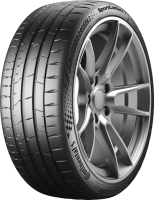
Continental SportContact 7 vs Goodyear Eagle F1 Asymmetric 6
5-2 in 8 shared tests
vs
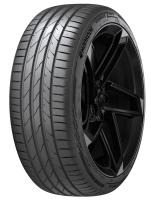 Goodyear Eagle F1 Asymmetric 6 vs Hankook Ventus Evo
1-5 in 6 shared tests
vs
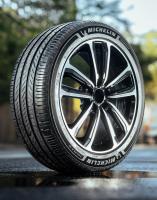 Goodyear Eagle F1 Asymmetric 6 vs Michelin Primacy 5
2-1 in 3 shared tests
vs
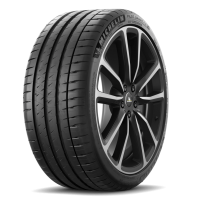 Goodyear Eagle F1 Asymmetric 6 vs Michelin Pilot Sport 4 S
3-0 in 4 shared tests
vs
 Goodyear Eagle F1 Asymmetric 6 vs Pirelli P Zero PZ5
0-2 in 2 shared tests
vs
 Goodyear Eagle F1 Asymmetric 6 vs Hankook Ventus S1 evo 3
8-1 in 9 shared tests
Run either of these?
Your review is the part of this page no test can supply: how the tire wore, how it aged, what it was like in the rain in year three. It takes about five minutes.
Where this data comes from
Finishing positions and measurements are transcribed from each published test. A test only counts here when both tires ran in it, so every figure was recorded on the same car, size and day as the one it is compared to.
About the TR Score
The Tire Reviews Score rates each tire out of 10 from every independent test result and vetted owner review we hold, so two tires can be compared even before a test has run them together.
Who does the testing
Every test published as a Tire Reviews test is run by Jonathan Benson, who has been testing tires independently since 2007.
Discussion