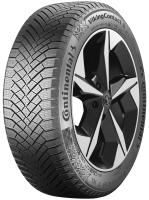
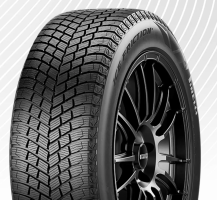
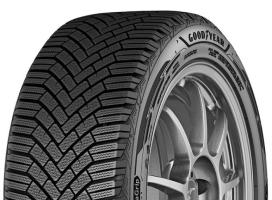
Swedish automotive magazine Vi Bilägare has conducted a test of eight Nordic friction tires (studless winter tires) in dimension 235/60 R18, a popular size for vehicles like the Volvo XC60 which served as the test vehicle. The test comprised 13 separate testing rounds across four different surfaces: ice, snow, wet asphalt, and dry asphalt.
The test field included four premium manufacturers launching recent products: Continental VikingContact 8, Goodyear UltraGrip Ice 3 (last year's winner), Pirelli Ice Friction (brand new model), and Nokian Hakkapeliitta R5 SUV (with updated rubber compound). Two mid-range alternatives were also tested: Hankook Winter i*cept IZ3 X (replacing the IZ2) and Nordman North RS3 SUV (Nokian's budget brand, using the previous generation R3 tread pattern). Michelin X-Ice Snow SUV represented an older but still competitive design, while Chinese manufacturer Maxtrek Trek M7 Plus provided the budget segment entry.
Tight Competition at the Top
The 2025 test revealed an unusually competitive field among the four premium tires, with Continental scoring 91 points, Pirelli 90, Goodyear 87, and Nokian 84 out of a maximum 100 points. This represents one of the closest finishes in recent Vi Bilägare testing history. The testers noted that product development has reached a point where manufacturers have successfully improved their traditional weaknesses without sacrificing existing strengths - the historic trade-off between ice grip and wet performance is narrowing significantly.
Continental's victory came from exceptional consistency, scoring highly across all 13 test categories with no real weaknesses. The VikingContact 8 achieved the best ice grip in the test while simultaneously performing well on wet asphalt - something the testers described as an impressive engineering achievement, particularly in this larger SUV dimension. Pirelli's second-place finish as "Debut of the Year" proved equally impressive, with the Ice Friction showing dramatic improvement over its predecessor by excelling in wet conditions (best aquaplaning resistance and wet braking) while maintaining strong winter performance.
Contrasting Development Philosophies
An interesting aspect of this test was observing how different manufacturers prioritized their development goals. Goodyear maintained its balanced approach from the previous year, focusing heavily on dry asphalt performance and low noise while keeping winter grip competitive. The UltraGrip Ice 3 achieved the lowest noise levels in the test and matched Pirelli for dry handling dynamics, though braking distances were slightly longer than the best competitors.
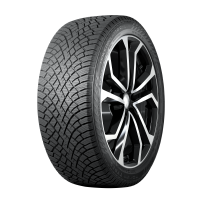
Nokian's development path proved particularly noteworthy. The testers specifically commented that the R5 SUV arrived with a new rubber compound aimed at addressing previous criticism about weak wet grip. The result was the best wet braking performance in the test by a significant margin. However, this improvement came with a trade-off - the R5 lost some of the sharp, predictable ice handling that previously characterized Nokian products. While still offering good grip levels, the tire became more prone to sudden grip loss and proved harder to balance at the limit on winter surfaces. The testers appreciated this move toward better balance between wet and winter performance, even if it meant sacrificing some traditional Nokian ice supremacy.
Mid-Range Alternatives and Their Compromises
The mid-range segment revealed interesting insights into how cost reduction affects performance. Nordman's North RS3 SUV, using the previous generation Nokian R3 tread pattern with cheaper rubber compounds, actually outperformed its more expensive Nokian sibling in certain winter conditions. The testers found it easier to control on ice and snow with better balance at the grip limit than the current Nokian R5. However, the cost savings became apparent on asphalt, where the Nordman suffered from non-linear steering feel and particularly poor wet grip - areas where the newer, more expensive Nokian excelled.
The Budget Reality
Maxtrek's Trek M7 Plus provided a good illustration of the performance gap between budget and premium segments. The Chinese tire placed last or next-to-last in ten of thirteen test categories, often with significant margins to the leaders. The testers noted it could handle basic snow starting and braking adequately - the coarse tread pattern filling with snow and gripping the surface - but struggled with any combined tasks like braking while cornering. On ice, braking distances were dramatically longer (14.70 meters versus Continental's 11.92 meters from 25-5 km/h). The tire's behavior on dry asphalt was described as "unwilling to take steering input and prefers to roll straight ahead," while wet braking required nearly 15% more distance than the best tires. The testers emphasized that such performance deficits in critical safety areas make budget tires a questionable economy, regardless of purchase price.
Dry
Dry Braking
Dry Braking
Spread: 3.73 M (8.5%)|Avg: 45.49 M
Dry braking in meters (100 - 0 km/h) [Average Temperature 12c] (Lower is better)
Pirelli Ice Friction
43.63 M
Continental VikingContact 8
44.41 M
Nordman North RS3 SUV
44.96 M
Hankook Winter i cept IZ3 X
45.13 M
Nokian Hakkapeliitta R5 SUV
45.62 M
Goodyear UltraGrip Ice 3
45.75 M
Michelin X Ice Snow SUV
47.03 M
Maxtrek Trek M7 Plus
47.36 M
Subj. Dry Handling
Subj. Dry Handling
Spread: 4.00 Points (80%)|Avg: 3.38 Points
Subjective Dry Handling Score (Higher is better)
Goodyear UltraGrip Ice 3
5.00 Points
Pirelli Ice Friction
5.00 Points
Continental VikingContact 8
4.00 Points
Hankook Winter i cept IZ3 X
4.00 Points
Michelin X Ice Snow SUV
3.00 Points
Nokian Hakkapeliitta R5 SUV
3.00 Points
Nordman North RS3 SUV
2.00 Points
Maxtrek Trek M7 Plus
1.00 Points
Wet
Wet Braking
Wet Braking
Spread: 7.29 M (15.7%)|Avg: 51.08 M
Wet braking in meters (100 - 0 km/h) [Average Temperature 2.5c] (Lower is better)
Nokian Hakkapeliitta R5 SUV
46.49 M
Pirelli Ice Friction
48.85 M
Continental VikingContact 8
50.30 M
Goodyear UltraGrip Ice 3
50.35 M
Michelin X Ice Snow SUV
52.76 M
Hankook Winter i cept IZ3 X
52.81 M
Nordman North RS3 SUV
53.29 M
Maxtrek Trek M7 Plus
53.78 M
Residual Speed Calculator
Wet Braking: Safety Impact: Best vs Worst Tire
Wet Handling
Wet Handling
Spread: 3.60 s (5.8%)|Avg: 63.39 s
Wet handling time in seconds (Lower is better)
Goodyear UltraGrip Ice 3
61.60 s
Pirelli Ice Friction
62.00 s
Nokian Hakkapeliitta R5 SUV
62.60 s
Continental VikingContact 8
62.90 s
Michelin X Ice Snow SUV
63.90 s
Hankook Winter i cept IZ3 X
64.20 s
Nordman North RS3 SUV
64.70 s
Maxtrek Trek M7 Plus
65.20 s
Straight Aqua
Straight Aqua
Spread: 5.50 Km/H (7.8%)|Avg: 66.56 Km/H
Float Speed in Km/H (Higher is better)
Pirelli Ice Friction
70.20 Km/H
Goodyear UltraGrip Ice 3
67.50 Km/H
Continental VikingContact 8
67.10 Km/H
Nokian Hakkapeliitta R5 SUV
66.20 Km/H
Maxtrek Trek M7 Plus
66.20 Km/H
Hankook Winter i cept IZ3 X
65.80 Km/H
Nordman North RS3 SUV
64.80 Km/H
Michelin X Ice Snow SUV
64.70 Km/H
Snow
Snow Braking
Snow Braking
Spread: 0.23 M (1.9%)|Avg: 12.11 M
Snow braking in meters (35 - 5 km/h) [Average Temperature -7c] (Lower is better)
Pirelli Ice Friction
12.01 M
Nokian Hakkapeliitta R5 SUV
12.04 M
Maxtrek Trek M7 Plus
12.04 M
Michelin X Ice Snow SUV
12.10 M
Hankook Winter i cept IZ3 X
12.11 M
Goodyear UltraGrip Ice 3
12.14 M
Continental VikingContact 8
12.17 M
Nordman North RS3 SUV
12.24 M
Residual Speed Calculator
Snow Braking: Safety Impact: Best vs Worst Tire
Snow Traction
Snow Traction
Spread: 0.02 s (1%)|Avg: 1.93 s
Snow acceleration time (5 - 35 km/h) (Lower is better)
Continental VikingContact 8
1.92 s
Pirelli Ice Friction
1.92 s
Michelin X Ice Snow SUV
1.93 s
Goodyear UltraGrip Ice 3
1.93 s
Hankook Winter i cept IZ3 X
1.93 s
Nokian Hakkapeliitta R5 SUV
1.94 s
Maxtrek Trek M7 Plus
1.94 s
Nordman North RS3 SUV
1.94 s
Snow Handling
Snow Handling
Spread: 2.10 s (3%)|Avg: 70.05 s
Snow handling time in seconds (Lower is better)
Continental VikingContact 8
69.20 s
Pirelli Ice Friction
69.50 s
Goodyear UltraGrip Ice 3
69.60 s
Nokian Hakkapeliitta R5 SUV
69.70 s
Michelin X Ice Snow SUV
70.20 s
Nordman North RS3 SUV
70.20 s
Hankook Winter i cept IZ3 X
70.70 s
Maxtrek Trek M7 Plus
71.30 s
Ice
Ice Braking
Ice Braking
Spread: 3.00 M (25.6%)|Avg: 12.32 M
Ice braking in meters (25 - 5 km/h) [Average Temperature -5.5c] (Lower is better)
Michelin X Ice Snow SUV
11.70 M
Continental VikingContact 8
11.76 M
Nordman North RS3 SUV
11.77 M
Pirelli Ice Friction
11.87 M
Nokian Hakkapeliitta R5 SUV
11.92 M
Goodyear UltraGrip Ice 3
11.99 M
Hankook Winter i cept IZ3 X
12.85 M
Maxtrek Trek M7 Plus
14.70 M
Residual Speed Calculator
Ice Braking: Safety Impact: Best vs Worst Tire
Ice Traction
Ice Traction
Spread: 1.91 s (36.5%)|Avg: 5.60 s
Ice acceleration time (5 - 25 km/h) [Average Temperature -5.5c] (Lower is better)
Nokian Hakkapeliitta R5 SUV
5.23 s
Continental VikingContact 8
5.24 s
Michelin X Ice Snow SUV
5.27 s
Goodyear UltraGrip Ice 3
5.29 s
Pirelli Ice Friction
5.44 s
Nordman North RS3 SUV
5.45 s
Hankook Winter i cept IZ3 X
5.70 s
Maxtrek Trek M7 Plus
7.14 s
Ice Handling
Ice Handling
Spread: 6.30 s (11.1%)|Avg: 59.88 s
Ice handling time in seconds (Lower is better)
Continental VikingContact 8
56.90 s
Goodyear UltraGrip Ice 3
58.60 s
Pirelli Ice Friction
59.20 s
Michelin X Ice Snow SUV
59.30 s
Nordman North RS3 SUV
59.40 s
Nokian Hakkapeliitta R5 SUV
60.00 s
Hankook Winter i cept IZ3 X
62.40 s
Maxtrek Trek M7 Plus
63.20 s
Comfort
Noise
Noise
Spread: 1.70 dB (2.5%)|Avg: 69.34 dB
External noise in dB (Lower is better)
Goodyear UltraGrip Ice 3
68.60 dB
Michelin X Ice Snow SUV
68.70 dB
Continental VikingContact 8
69.10 dB
Maxtrek Trek M7 Plus
69.10 dB
Nokian Hakkapeliitta R5 SUV
69.60 dB
Hankook Winter i cept IZ3 X
69.60 dB
Nordman North RS3 SUV
69.70 dB
Pirelli Ice Friction
70.30 dB
Value
Fuel Consumption
Fuel Consumption
Spread: 0.25 l/100km (4%)|Avg: 6.37 l/100km
Fuel consumption in Litres per 100 km (Lower is better)
The Continental VikingContact 8 delivers the most consistently high performance across all test conditions, earning it the test victory. On ice, it provides the best grip in the entire test, capable of higher cornering speeds than competitors while remaining safe and predictable at the limit with a slightly understeering balance. The tire excels at managing two tasks simultaneously on winter surfaces - accelerating or braking while cornering. In this larger SUV dimension, Continental has achieved the impressive feat of being best on slippery ice while still performing well on wet asphalt, with significantly improved aquaplaning resistance compared to previous years. On dry pavement, it offers good straight-line stability and low road noise, though steering response is somewhat more sluggish than the best competitors. The tire has no real weaknesses, making it a worthy test winner with excellent control even when pushed beyond the grip limit.
The Pirelli Ice Friction earns the title of "Debut of the Year" with an unusually large improvement over its predecessor, the Asimmetrico. Pirelli has excelled in the wet rounds with flying colors - no other tire in the test has such good resistance to aquaplaning, and it also receives top marks in both braking and cornering on rain-soaked asphalt. Despite these excellent wet weather characteristics, Pirelli also performs at the top on snow and isn't far behind the leaders on ice, with a slightly oversteering rear that helps with cornering. On dry asphalt, it's the best performer with crisp steering feel and good driving enjoyment. The tire maintains a high and consistent level across all surfaces, with an emphasis on dry pavement performance, earning it second place overall. The only average aspect is road noise levels.
The Goodyear UltraGrip Ice 3, last year's winner, continues to show excellent performance in this larger tire size for SUVs. It's primarily in the dry pavement rounds where Goodyear scores points over competitors, with only Pirelli able to match its crisp steering and stable behavior under pressure, though braking distances are slightly longer than the best competitors. Despite clear focus on asphalt performance, Goodyear also maintains high winter grip, particularly impressive in snow cornering, and handles icy curves well. At the grip limit, it becomes somewhat understeering without any tendency to slide. The test's lowest noise level confirms the image of an almost complete winter tire, earning it third place, not far from victory. The tire offers high winter grip combined with low noise and excellent cornering grip on dry pavement, though braking performance is generally slightly weaker than the best.
The Nokian Hakkapeliitta R5 SUV has been criticized in previous tests for weak wet grip, and now comes the R5 with an update and new rubber compound intended to improve wet characteristics - but perhaps Nokian pulled its focus on wet roads a bit too far. The stopping distance on wet asphalt is by far the best in the test with a good margin. However, Nokian has lost some of its sharpness on ice, especially the cornering behavior on winter road surfaces. The grip is still good, but with eager steering responses on snow and ice, the tire can lose grip more suddenly than before and becomes harder to balance at the grip limit. As a whole, Nokian has improved the balance between wet grip and winter characteristics, which is appreciated. The tire performs well with decent grip levels on ice and snow and is more agile than the understeering Continental in tight corners, though it has lower ice grip and worse steering feel on asphalt than the best. In the tough competition, it settles for fourth place.
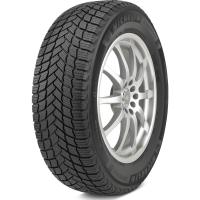
The Michelin X-Ice Snow SUV suddenly stands as the oldest product among the most well-known manufacturers, yet it still holds the flag high in winter rounds with the shortest braking distance on ice in the entire test. However, it lacks some cornering grip on both ice and snow - the tire doesn't like being stressed and loses grip earlier than competitors with larger steering inputs. In the asphalt rounds, Michelin displays somewhat longer braking distances compared to the very best, and even on dry pavement it suffers from sluggish steering response and a clearly understeering character. Instead, the tire has good everyday comfort with fine straight-ahead stability on asphalt. The inconsistent performance level compared to the newer premium tires results in fifth place overall. It offers short braking distances on ice and snow with good steering feel on asphalt, but medium-level performance in wet conditions and somewhat lower cornering grip on all surfaces.
The Nordman North RS3 SUV is traditionally a reincarnation of older tires from Nokian but with a slightly cheaper rubber compound. The new RS3 has the same tread pattern design as the old Nokian R3 (the predecessor to R5), and the advantages and disadvantages are also recognized. Plus points are awarded for good winter grip, where Nordman can challenge the best in the field and is actually better than Nokian in braking and is easier to balance at the grip limit on ice. However, unlike its more expensive sibling, it falls far behind in the wet rounds with longer braking distances and lower cornering grip. On dry pavement, it also has a clearly non-linear steering feel. Clear emphasis on winter roads with weaker asphalt characteristics gives it sixth place. Despite this being an older generation than current Nokian, it's easier to control on ice and snow with better balance at the limit, though it has generally low wet grip and inconsistent steering feel on asphalt. The fuel consumption is notably good.
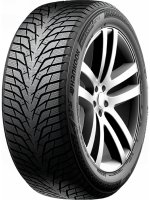
The Hankook Winter i*cept IZ3 X is a newcomer that replaces the outgoing IZ2, with the X in the name being the manufacturer's designation for SUV tires. The predecessor was criticized for ice grip being far behind the best, and with the IZ3, it's precisely the ice grip that has been sharpened. Although the tire finishes behind the more expensive competitors, it has come much closer in braking grip. However, it loses grip at the rear first and can break out into a slide under pressure on winter road surfaces. On asphalt, the tire has maintained a natural steering feel and handles the emergency maneuver test well, though road noise has increased compared to its predecessor. In terms of points, Hankook ends up a bit behind the best but clearly ahead of the budget alternative. It offers reasonable braking distances on all surfaces with good steering feel on asphalt, but suffers from high road noise and limited cornering grip on ice and snow.
The Maxtrek Trek M7 Plus represents the budget segment in this test, and against the well-known competitors, the tire consistently shows poor results. In ten of 13 categories, it places last or next to last, often with a significant margin up to the best tires. The only bright spot is starting and braking grip on snow, where the coarse tread pattern helps to grab hold of the snow. However, the grip level fails when the road curves - on both snow and ice, it struggles to do two things simultaneously, like accelerating or braking in a curve. It's also difficult to regain control, though the tire is never prone to sliding but always releases at the front wheels first. On dry pavement, it's unwilling to take steering input and prefers to roll straight ahead. Last place is a given. The only positive is starting and braking on snow, while it suffers from generally weak cornering grip and poor braking on ice and asphalt.