

Goodyear Vector 4Seasons Gen 3 vs Nexen N Blue 4Season 2
- TR Score
- 9.4/10
- Owners say
- 82% · 81
- TR Score
- 8.8/10
- Owners say
- 78% · 15
In the 9 independent tests that ran both tires, the Goodyear Vector 4Seasons Gen 3 finished ahead 8 times and the N Blue 4Season 2 once. The Vector 4Seasons Gen 3 lasted 16.3% longer in the wear tests; the N Blue 4Season 2 stopped 4.8% shorter in the dry.
Data updated

Which should you buy?
Choose the Goodyear Vector 4Seasons Gen 3 if you drive in frequent rain, on faster roads, or you see meaningful winter conditions and want the safer, more stable all-season in wet/standing water (even if dry braking isn't its strong suit). Choose the Nexen N Blue 4Season 2 if your use is mainly dry with occasional light winter, you prioritize lower noise and purchase price, and you're willing to accept reduced wet/aquaplaning safety margins in heavy rain.
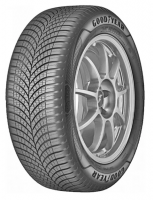
Where the Vector 4Seasons Gen 3 is stronger
- Stronger wet stopping and control overall: wins wet braking in 8/9 shared comparisons, including big gaps like 55.2 m vs 61.4 m in the 2024 market overview
- Clearly better aquaplaning resistance (both straight and curved): e.g., ADAC 2026 straight aqua 86.5 vs 81.1 km/h; ADAC 2025 curved aqua 2.7 vs 1.9 m/s²
- More convincing winter capability in most datasets (snow braking/traction wins 6/7 where measured), aligned with test commentary calling it a winter specialist

Where the N Blue 4Season 2 is stronger
- Consistently shorter dry braking across all shared tests (9/9), typically by ~1.5-6.5% depending on test/size
- Refinement advantage: frequently the quieter tire in measured tests (e.g., ADAC 2026: 69.8 dB vs 70.5 dB; multiple Auto Bild tests also favor Nexen on noise)
- Can offer good value proposition depending on market/test context (notably strong price positioning in some reports, even if value rankings vary by methodology)
The bullet points are analysis of the shared tests and of owner reviews; the measured wins in each discipline are in the tables below. Where the two disagree, the figures are right.
Vector 4Seasons Gen 3 vs N Blue 4Season 2 at a glance
| Category | Vector 4Seasons Gen 3 | Gap | N Blue 4Season 2 |
|---|---|---|---|
| Shared tests won9 shared tests | 8 | 1 | |
| Dry14 measurements | 5 | The N Blue 4Season 2 stopped 4.8% shorter in the dry (9 tests) | 9 |
| Wet34 measurements | 33 | The Vector 4Seasons Gen 3 held 22% more grip in curved aquaplaning (6 tests) | 1 |
| Snow24 measurements | 20 | The Vector 4Seasons Gen 3 stopped 3.9% shorter on snow (7 tests) | 4 |
| Ice2 measurements | 1 | Level between the two. | 1 |
| Comfort10 measurements | 4 | The N Blue 4Season 2 was 0.6 dB quieter (7 tests) | 5 |
| Value13 measurements | 9 | The Vector 4Seasons Gen 3 lasted 16.3% longer in the wear tests (3 tests) | 4 |
| Tire Reviews Scoreevery test and review we hold | 9.4/10 | The Vector 4Seasons Gen 3 by 0.6 | 8.8/10 |
| Owner rating81 and 15 reviews | 82% | The Vector 4Seasons Gen 3 by 4 points | 78% |
| Would buy againshare of owners | 78% | The N Blue 4Season 2 by 8 points | 86% |
| Pricein the 5 tests that listed prices | +26.3% | The Vector 4Seasons Gen 3 was dearer in 5 of 5 | Cheaper |
| Sizes madeEU label registrations | 102 | 86 sizes made in both | 118 |
Wins count every measurement the shared tests recorded for both tires; a tick marks the tire ahead on that line. Subjective driver scores count as wins but are never averaged, because each test uses its own scale.
Head to head in 9 tests, 2023 to 2026
Each row is one published test in which both tires ran on the same car, in the same size, on the same day. The line is the whole field, winner on the left.
| Test | Vector 4Seasons Gen 3 | Field | N Blue 4Season 2 |
|---|---|---|---|
| 2026 ADAC All Season Tire Test - 185/65 R15 | P6 of 16 | P9 of 16 | |
| 2025 Autobild SUV All Season Tire Test | P5 of 11 | P6 of 11 | |
| 2025 ADAC All Season Tire Test | P1 of 16 | P11 of 16 | |
| 2024 Auto Bild SUV All Season Tire Test | P5 of 10 | P8 of 10 | |
| 2024 All Season Tire Market Overview | P6 of 37 | P16 of 37 | |
| 2024 Sports Car All Season Tire Test | P3 of 11 | P6 of 11 | |
| 2023 Auto Zeitung All Season Tire Test | P1 of 9 | P9 of 9 | |
| 2023 Auto Bild All Season Tire Test | P6 of 16 | P12 of 16 | |
| 2023 All Season Tire 35 Set Shootout | P12 of 35 | P9 of 35 |

Performance profile
19 measurements from the 9 shared tests, each tire shown as its share of the better figure in every test.
Where each is furthest ahead
Vector 4Seasons Gen 3
N Blue 4Season 2
Point at or tap any spoke for both tires' figures.
In each test the better of the two figures counts as 100% and the other as its share of it, so a 118 ft stop against 112 ft is 95%; each spoke averages the shared tests that recorded it. 5 measurements recorded in only one shared test are left off; every measurement is in the table further down.
Where each scores higher
Vector 4Seasons Gen 3
N Blue 4Season 2
Point at or tap any spoke for both tires' figures.
Category scores are percentiles among tires of the same season and class: 90 means this tire out-performs 90% of them, measured across every test we hold, not only the ones it appeared in.
Where owners rate each higher
Vector 4Seasons Gen 3
N Blue 4Season 2
Point at or tap any spoke for both tires' figures.
Owners rate the Vector 4Seasons Gen 3 82% from 81 reviews and the N Blue 4Season 2 78% from 15. Each spoke is one question owners answer out of 10; reviews are vetted by hand before publication.
Every measurement, side by side
Averages of the figures both tires posted in the same tests. The gap is the average of each test's own gap, so figures from different cars and years are never mixed. Open a discipline for its measurements, and a measurement for every test's figure.
| Measurement | Vector 4Seasons Gen 3 | Gap | N Blue 4Season 2 | Wins | ||||||||||||||||||||||||||||||||||||
|---|---|---|---|---|---|---|---|---|---|---|---|---|---|---|---|---|---|---|---|---|---|---|---|---|---|---|---|---|---|---|---|---|---|---|---|---|---|---|---|---|
| 136 | 4.8% | 129 | 0-9 | |||||||||||||||||||||||||||||||||||||
|
||||||||||||||||||||||||||||||||||||||||
| 83.6 | 0.5% | 84 | 1-0 | |||||||||||||||||||||||||||||||||||||
|
||||||||||||||||||||||||||||||||||||||||
| 60 | 1.5% | 59.1 | 4-0 | |||||||||||||||||||||||||||||||||||||
|
||||||||||||||||||||||||||||||||||||||||
| 155 | 3.8% | 161 | 8-1 | |||||||||||||||||||||||||||||||||||||
|
||||||||||||||||||||||||||||||||||||||||
| 128 | 4.5% | 134 | 2-0 | |||||||||||||||||||||||||||||||||||||
|
||||||||||||||||||||||||||||||||||||||||
| 98.5 | 3.9% | 102.5 | 1-0 | |||||||||||||||||||||||||||||||||||||
|
||||||||||||||||||||||||||||||||||||||||
| 48.9 | 4% | 47 | 4-0 | |||||||||||||||||||||||||||||||||||||
|
||||||||||||||||||||||||||||||||||||||||
| 14.74 | 2.9% | 15.17 | 5-0 | |||||||||||||||||||||||||||||||||||||
|
||||||||||||||||||||||||||||||||||||||||
| 47.6 | 5.9% | 45 | 7-0 | |||||||||||||||||||||||||||||||||||||
|
||||||||||||||||||||||||||||||||||||||||
| 9.7 | 22% | 8.1 | 6-0 | |||||||||||||||||||||||||||||||||||||
|
||||||||||||||||||||||||||||||||||||||||
| 64 | 3.9% | 67 | 6-1 | |||||||||||||||||||||||||||||||||||||
|
||||||||||||||||||||||||||||||||||||||||
| 599 | 6% | 559 | 6-1 | |||||||||||||||||||||||||||||||||||||
|
||||||||||||||||||||||||||||||||||||||||
| 53.5 | 5.3% | 56.5 | 1-0 | |||||||||||||||||||||||||||||||||||||
|
||||||||||||||||||||||||||||||||||||||||
| 42 | 2.3% | 41 | 4-0 | |||||||||||||||||||||||||||||||||||||
|
||||||||||||||||||||||||||||||||||||||||
| 12.2 | 4% | 12.7 | 0-1 | |||||||||||||||||||||||||||||||||||||
|
||||||||||||||||||||||||||||||||||||||||
| 12.9 | 0.5% | 12.9 | 3-1 | |||||||||||||||||||||||||||||||||||||
|
||||||||||||||||||||||||||||||||||||||||
| 57 | 1.2% | 57 | 1-1 | |||||||||||||||||||||||||||||||||||||
|
||||||||||||||||||||||||||||||||||||||||
| scored | 29.8% | scored | 2-0 | |||||||||||||||||||||||||||||||||||||
|
||||||||||||||||||||||||||||||||||||||||
| 71.91 | 0.6 dB | 71.29 | 1-5 | |||||||||||||||||||||||||||||||||||||
|
||||||||||||||||||||||||||||||||||||||||
| 76.9 | 4.1% | 80.2 | 1-0 | |||||||||||||||||||||||||||||||||||||
|
||||||||||||||||||||||||||||||||||||||||
| 34,865 | 16.3% | 31,821 | 2-1 | |||||||||||||||||||||||||||||||||||||
|
||||||||||||||||||||||||||||||||||||||||
| 7.67 | 4.9% | 8.07 | 4-1 | |||||||||||||||||||||||||||||||||||||
|
||||||||||||||||||||||||||||||||||||||||
| 5.69 | 1.1% | 5.63 | 1-2 | |||||||||||||||||||||||||||||||||||||
|
||||||||||||||||||||||||||||||||||||||||
| 57 | 23.1% | 74.5 | 2-0 | |||||||||||||||||||||||||||||||||||||
|
||||||||||||||||||||||||||||||||||||||||
Braking distances and lap times are better when lower; speeds, wear and grip figures when higher. A test's figures are its own: sizes, cars, surfaces and temperatures differ from one to the next, which is why the averages here are only ever of tests the two tires shared. "Scored" rows are subjective driver ratings: each test uses its own scale, so only the wins are counted.
Scores beyond the shared tests
On the Tire Reviews Score, which weighs every test and review we hold, the Vector 4Seasons Gen 3 scores 9.4 and the N Blue 4Season 2 8.8 out of 10.
| Vector 4Seasons Gen 3 | Category | N Blue 4Season 2 | ||
|---|---|---|---|---|
| 65 | Dry | 86 | ||
| 89 | Wet | 51 | ||
| 68 | Comfort | 71 | ||
| 73 | Value | 64 | ||
| 81 | Snow | 47 | ||
| 87 | Ice | 91 | ||
Category scores are percentiles among tires of the same season and class: 90 means this tire out-performs 90% of them, measured across every test we hold, not only the ones it appeared in.
What owners say
| Vector 4Seasons Gen 3 | Category | N Blue 4Season 2 | ||
|---|---|---|---|---|
| 8.3 | Dry Grip | 8.1 | ||
| 8.7 | Wet Grip | 7.9 | ||
| 7.8 | Road Feedback | 7.6 | ||
| 8 | Handling | 7.7 | ||
| 8.6 | Wear | 8.5 | ||
| 8.3 | Comfort | 8.5 | ||
| 8.4 | Snow Grip | 7.2 | ||
| 7.5 | Ice Grip | 6.4 | ||
Owners rate the Vector 4Seasons Gen 3 82% from 81 reviews and the N Blue 4Season 2 78% from 15. Reviews are vetted by hand before publication; ownership is not verified.
Goodyear Vector 4Seasons Gen 3
- 82%from 81 reviews
- 78%would buy again
- 1,078,534 milesdriven by reviewers
Owners rate the Goodyear Vector 4Seasons Gen 3 highly overall (average 79.9%), with most praising its dependable all-round grip, particularly in the wet, where over half of reviewers comment positively. Dry grip, snow traction and cold-weather performance are also frequently highlighted, and around a third of owners report strong tread life. The main recurring downsides are a noticeably weaker dry braking performance and slightly vague steering feel, raised by around one in five and around one in six owners respectively, while road noise feedback is mixed but leans positive.
- Confident wet grip in heavy rain and greasy conditions
- Strong dry grip for everyday driving
- Long tread life and slow wear rates
- Impressive snow traction for an all-season tire
- Longer dry braking distances / less bite under heavy braking
- Vague or light steering feel and less direct response
- Higher rolling resistance / noticeable fuel economy drop for some drivers
Summarised by AI from 75 vetted reviews; the reviews themselves are on the tire page.
All 81 Vector 4Seasons Gen 3 reviewsAlmost perfect tires that even didn't let my down in heavy snow which really amazed me. And driven normally they seem to last forever.
Nexen N Blue 4Season 2
- 78%from 15 reviews
- 86%would buy again
- 145,500 milesdriven by reviewers
With an 80% average score and 10 of 12 reviews rating it positively, owners generally find the Nexen N Blue 4Season 2 to be a capable all-season option with dependable dry and wet grip, plus reassuring traction in snow for everyday driving. A notable minority mention ice performance, and opinions are mixed here (around a third of owners commenting), with a couple finding it excellent and a similar number reporting it's not as confidence-inspiring as a dedicated winter tire. Comfort and refinement also come through strongly, with several owners describing it as particularly quiet.
- Strong dry grip for an affordable all-season
- Confident wet grip in mixed conditions
- Surprisingly capable traction in snow
- Very low road noise
- Mixed ice grip versus a proper winter tire
- Soft/squishy feel or sidewalls when pushed
Summarised by AI from 12 vetted reviews; the reviews themselves are on the tire page.
All 15 N Blue 4Season 2 reviewsIn the meantime, I've driven 32,000 miles (51,000 km) on these tires (see current photos), and I have to say, they're still performing excellently on my car. Summers here are hot, and winters are mild; we rarely get snow, just wet and slushy roads. These all-season tires are the perfect choice for these conditions, eliminating the need for unnecessary tire changes (except for swapping the front tires to the rear and vice versa). And they’re a great fit for my car (Kia Optima K5). The only downside is that at highway speeds, within a certain speed range, a pulsating noise occurs due to the tread pattern, but as soon as the speed goes above or below that range, it goes away. I highly recommend them for everyday driving—I’d buy them again.
Sizes, EU label and lineage
From the EU label registrations for each tire: 102 sizes of the Vector 4Seasons Gen 3 and 118 of the N Blue 4Season 2, 86 of them made in both.
| Category | Vector 4Seasons Gen 3 | N Blue 4Season 2 |
|---|---|---|
| Season | All Season | All Season |
| Sizes made | 102 sizes, 14 to 22 inch | 118 sizes, 14 to 21 inch |
| Made in both | 86 sizes 175/65 R14185/60 R14185/65 R14175/65 R15185/55 R15185/60 R15185/65 R15195/60 R15195/65 R15205/60 R15195/45 R16195/55 R16and 74 more | |
| EU label wet grip | B87%C13% | B86%A14%C1% |
| EU label rolling resistance | C47%B29%A21%D4% | C81%D18%B2% |
| EU label noise | 69-73 dB B99%A1% | 71-73 dB B100% |
| Severe snow (3PMSF) sizes | 252 of 252 | 200 of 200 |
| On the market since | - | 2022 |
| Replaced | Goodyear Vector 4 Seasons Gen 2 (2021) | - |
| Replaced by | Goodyear Vector All Season 4 | - |
| Awards | Commended: Best All-Season Tires (DriverReviews, 2024/25) Winner: All-Season Tire of the Year (WhatTire, 2024) Winner: All-Season Tire of the Year (WhatTire, 2021) Winner: Tire of the Year (WhatTire, 2021) | - |
| Price in the shared tests | The Vector 4Seasons Gen 3 was the dearer tire in 5 of the 5 tests that listed prices, by 26.3% on average. Each test priced the tires in its own market at the time; only the gap is comparable. | |
Label grades are shown as the share of registered sizes carrying each grade, so "B (88%), C (12%)" means most sizes are B. Grades vary by size; check the label for yours.
Reading the results
Written from the test results and owner reviews above. It is analysis, not a measurement: where it and the tables disagree, the tables are right.
This is a classic premium-versus-value all-season showdown: the Goodyear Vector 4Seasons Gen 3 (premium touring) against the Nexen N Blue 4Season 2 (touring). Across 9 shared professional tests, the pattern is unusually consistent: Nexen repeatedly finds a few meters in dry braking, while Goodyear repeatedly wins the safety-critical wet and aquaplaning metrics-and usually the winter-focused ones too.
The result is two tires with very different “risk profiles” in everyday driving. Nexen can feel like the sharper stopper in warm, dry emergency braking, but Goodyear builds its advantage where all-seasons often get exposed: heavy rain (especially standing water), mixed-grip wet handling, and snow traction/braking. Add in differing test outcomes on wear and value, and the choice comes down to your climate, mileage expectations, and how much wet-weather headroom you want.
Conclusion
Across the shared data, Goodyear is the more complete all-season tire for real-world mixed conditions. It dominates wet braking in 8 of 9 comparisons and repeatedly posts meaningfully better aquaplaning margins-e.g., ADAC 2026 straight aquaplaning 86.5 km/h vs 81.1 km/h, and ADAC 2025 curved aquaplaning 2.7 vs 1.9 m/s² (a very large gap). In winter metrics it is usually ahead as well (for example ADAC 2026 snow traction 2547 N vs 2358 N, plus shorter snow braking 11.3 m vs 12.1 m). The trade-off is consistent: Goodyear's dry braking is frequently among the weaker results versus Nexen, which is why it can land mid-pack in some line-ups despite strong wet/winter capability.
Nexen's case rests on three things: it wins dry braking in every shared test (9/9), it's often quieter (wins noise in 5/6 where measured), and it can offer attractive running costs-though not consistently. Where it loses most clearly is wet safety and standing-water resistance (multiple tests note low aquaplaning reserves and less confident wet handling), which is exactly the scenario that turns an all-season tire from “fine” to “stressed” on motorways in heavy rain.
If you want the more dependable year-round safety envelope-especially in rainy climates and anywhere that sees proper winter weeks-the Goodyear is the smarter pick even if it doesn't win the dry-brake headline. If your driving is predominantly dry, you value a quieter ride, and you're buying on price (while accepting a clear wet-weather penalty), the Nexen can make sense-but it's the tire that asks you to drive more defensively in the wet.
Vector 4Seasons Gen 3 vs N Blue 4Season 2: your questions
Is the Goodyear Vector 4Seasons Gen 3 or the Nexen N Blue 4Season 2 the better tire?
In the 9 independent tests that ran both tires, the Goodyear Vector 4Seasons Gen 3 finished ahead 8 times and the N Blue 4Season 2 once. On the Tire Reviews Score, which weighs every test and review we hold, the Vector 4Seasons Gen 3 scores 9.4 and the N Blue 4Season 2 8.8 out of 10.
Which is better in the wet, the Vector 4Seasons Gen 3 or the N Blue 4Season 2?
The Vector 4Seasons Gen 3 led 33 of the 34 wet measurements the shared tests recorded. On average it held 22% more grip in curved aquaplaning across 6 tests.
Which is better in the dry?
The N Blue 4Season 2 led 9 of the 14 dry measurements the shared tests recorded. On average it stopped 4.8% shorter in the dry across 9 tests.
Which is better in snow?
The Vector 4Seasons Gen 3 led 20 of the 24 snow measurements the shared tests recorded. On average it stopped 3.9% shorter on snow across 7 tests.
Which lasts longer and costs less to run?
The Vector 4Seasons Gen 3 lasted 16.3% longer in the wear tests (3 tests), had 4.9% lower rolling resistance (5 tests) and shed 23.1% less rubber in the abrasion test (2 tests); the N Blue 4Season 2 used 1.1% less fuel (3 tests). Owners rate wear 8.6/10 for the Vector 4Seasons Gen 3 and 8.5/10 for the N Blue 4Season 2.
Which is quieter and more comfortable?
The N Blue 4Season 2 was 0.6 dB quieter (7 tests). Owners rate comfort 8.3/10 for the Vector 4Seasons Gen 3 and 8.5/10 for the N Blue 4Season 2.
What do owners say?
Owners rate the Vector 4Seasons Gen 3 82% from 81 reviews and the N Blue 4Season 2 78% from 15. 78% of Vector 4Seasons Gen 3 owners would buy it again, against 86% for the N Blue 4Season 2.
Which is more expensive?
In the 5 tests that listed prices, the Vector 4Seasons Gen 3 was the dearer tire in 5 of them, by 26.3% on average. Prices are the test's own at the time, in its own market.
Are they available in the same sizes?
The Vector 4Seasons Gen 3 is made in 102 sizes (14 to 22 inch) and the N Blue 4Season 2 in 118 (14 to 21 inch). 86 sizes are available in both. On the EU label the Vector 4Seasons Gen 3 is graded B for wet grip and C for rolling resistance in most sizes; the N Blue 4Season 2 B and C.
More comparisons with these tires
 vs
Continental AllSeasonContact 2 vs Goodyear Vector 4Seasons Gen 3
15-1 in 17 shared tests
vs
 Goodyear Vector 4Seasons Gen 3 vs Michelin CrossClimate 2
7-19 in 26 shared tests
vs
 Goodyear Vector 4Seasons Gen 3 vs Pirelli Cinturato All Season SF3
2-13 in 15 shared tests
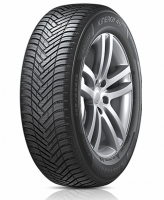 vs
Hankook Kinergy 4S2 vs Nexen N Blue 4Season 2
5-1 in 6 shared tests
vs
Michelin CrossClimate 2 vs Nexen N Blue 4Season 2
8-0 in 8 shared tests
vs
Goodyear Vector 4Seasons Gen 3 vs Hankook Kinergy 4S2
15-10 in 25 shared tests
vs
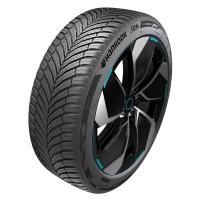 Goodyear Vector 4Seasons Gen 3 vs Hankook iON FlexClimate
0-2 in 2 shared tests
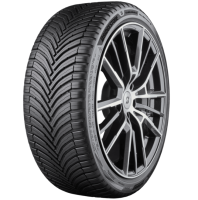 vs
Bridgestone Turanza All Season 6 vs Goodyear Vector 4Seasons Gen 3
14-7 in 21 shared tests
Run either of these?
Your review is the part of this page no test can supply: how the tire wore, how it aged, what it was like in the rain in year three. It takes about five minutes.
Review the Vector 4Seasons Gen 3 Review the N Blue 4Season 2
Where this data comes from
Finishing positions and measurements are transcribed from each published test. A test only counts here when both tires ran in it, so every figure was recorded on the same car, size and day as the one it is compared to.
About the TR Score
The Tire Reviews Score rates each tire out of 10 from every independent test result and vetted owner review we hold, so two tires can be compared even before a test has run them together.
Who does the testing
Every test published as a Tire Reviews test is run by Jonathan Benson, who has been testing tires independently since 2007.
Discussion