Continental AllSeasonContact 2 vs Goodyear Vector 4Seasons Gen 3
Across the tests, Continental repeatedly positions itself as the safety-first all-rounder-especially when stopping power matters-while the Goodyear leans toward winter traction, aquaplaning resilience (particularly in curved aquaplaning), and in some reports a more value-oriented ownership case (price/weight/mileage depending on test). The key question is whether you prioritize outright braking performance in the wet and dry (Continental's hallmark) or a tire that often shines in aquaplaning and snow metrics and can look stronger on longevity/value (Goodyear's recurring themes).

Test Results
Independent comparison tire tests are the best source of data to get tire information from, and the good news is there have been fifteen tests which compare both tires directly!
| Tire | Test Wins | Performance |
|---|---|---|
| Continental AllSeasonContact 2 | thirteen | |
| Goodyear Vector 4Seasons Gen 3 | one | |
| one draws in one tests | ||
While it might look like the Continental AllSeasonContact 2 is better than the Goodyear Vector 4Seasons Gen 3 purely based on the higher number of test wins, tires are very complicated objects which means where one tire is better than the other can be more important in real world use.
Let's look at how the two tires compare across multiple tire test categories.
Key Strengths
- Consistently shorter braking distances: wins dry braking 13/13 and wet braking 12/13 head-to-head comparisons, including large wet-braking gaps in some tests (e.g., 27.24 m vs 31.74 m in AutoView 2026)
- Balanced, high-end all-round performance with frequent overall test wins/near-wins (12 overall wins vs Goodyear's 1), often rated exemplary/highly recommended by testers
- Efficiency advantage shows up often: rolling resistance category edge (7 wins) and strong fuel-consumption results where measured
- Strong controllability and confidence across conditions (wet handling frequently competitive; snow handling/slalom results often favor Continental)
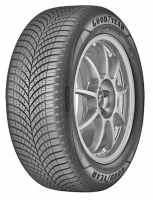
- Often excels in aquaplaning-especially curved aquaplaning (7 category wins), and commonly strong straight-aquaplaning speeds depending on size/test
- Very capable winter performance profile: frequent wins in snow braking and snow traction (7 and 6 wins), and good ice braking in ADAC 2025
- Can deliver strong ownership value in some scoring systems: standout mileage/value in ADAC 2025 (68,000 km projected wear and best value metric) plus often lower weight noted by testers
- Frequently competitive in handling-focused metrics (edges dry handling wins 5 vs 4 and wet handling wins 5 vs 4), giving a more “lively” feel in some tests
Dry Braking
Looking at data from fourteen tire tests, the Continental AllSeasonContact 2 was better during fourteen dry braking tests. On average the Continental AllSeasonContact 2 stopped the vehicle in 3.91% less distance than the Goodyear Vector 4Seasons Gen 3.
Best In Dry Braking: Continental AllSeasonContact 2
See how the Dry Braking winner was calculated >>
Dry Handling [s]
Looking at data from two tire tests, the Goodyear Vector 4Seasons Gen 3 was better during two dry handling [s] tests. On average the Goodyear Vector 4Seasons Gen 3 was 0.93% faster around a lap than the Continental AllSeasonContact 2.
Best In Dry Handling [s]: Goodyear Vector 4Seasons Gen 3
See how the Dry Handling winner was calculated >>
Dry Handling [Km/H]
Looking at data from eight tire tests, the Continental AllSeasonContact 2 was better during four dry handling [km/h] tests. On average the Continental AllSeasonContact 2 was 0.03% faster around a lap than the Goodyear Vector 4Seasons Gen 3.
Best In Dry Handling [Km/H]: Continental AllSeasonContact 2
See how the Dry Handling winner was calculated >>
Subj. Dry Handling
Looking at data from three tire tests, the Continental AllSeasonContact 2 was better during three subj. dry handling tests. On average the Continental AllSeasonContact 2 scored 7.08% more points than the Goodyear Vector 4Seasons Gen 3.
Best In Subj. Dry Handling: Continental AllSeasonContact 2
See how the Subj. Dry Handling winner was calculated >>
Wet Braking
Looking at data from fourteen tire tests, the Continental AllSeasonContact 2 was better during thirteen wet braking tests. On average the Continental AllSeasonContact 2 stopped the vehicle in 5.14% less distance than the Goodyear Vector 4Seasons Gen 3.
Best In Wet Braking: Continental AllSeasonContact 2
See how the Wet Braking winner was calculated >>
Wet Braking - Concrete
Looking at data from one tire tests, the Continental AllSeasonContact 2 was better during one wet braking - concrete tests. On average the Continental AllSeasonContact 2 stopped the vehicle in 1.79% less distance than the Goodyear Vector 4Seasons Gen 3.
Best In Wet Braking - Concrete: Continental AllSeasonContact 2
See how the Wet Braking - Concrete winner was calculated >>
Wet Handling [s]
Looking at data from three tire tests, the Goodyear Vector 4Seasons Gen 3 was better during three wet handling [s] tests. On average the Goodyear Vector 4Seasons Gen 3 was 1.12% faster around a wet lap than the Continental AllSeasonContact 2.
Best In Wet Handling [s]: Goodyear Vector 4Seasons Gen 3
See how the Wet Handling winner was calculated >>
Wet Handling [Km/H]
Looking at data from seven tire tests, the Continental AllSeasonContact 2 was better during four wet handling [km/h] tests. On average the Continental AllSeasonContact 2 was 0.6% faster around a wet lap than the Goodyear Vector 4Seasons Gen 3.
Best In Wet Handling [Km/H]: Continental AllSeasonContact 2
See how the Wet Handling winner was calculated >>
Subj. Wet Handling
Looking at data from two tire tests, the Continental AllSeasonContact 2 and Goodyear Vector 4Seasons Gen 3 performed equally well in subj. wet handling tests.
Best In Subj. Wet Handling: Both tires performed equally well
See how the Subj. Wet Handling winner was calculated >>
Wet Circle
Looking at data from six tire tests, the Continental AllSeasonContact 2 was better during four wet circle tests. On average the Continental AllSeasonContact 2 was 0.61% faster around a wet circle than the Goodyear Vector 4Seasons Gen 3.
Best In Wet Circle: Continental AllSeasonContact 2
See how the Wet Circle winner was calculated >>
Straight Aqua
Looking at data from eleven tire tests, the Continental AllSeasonContact 2 was better during six straight aqua tests. On average the Continental AllSeasonContact 2 floated at a 0.42% higher speed than the Goodyear Vector 4Seasons Gen 3.
Best In Straight Aqua: Continental AllSeasonContact 2
See how the Straight Aqua winner was calculated >>
Curved Aquaplaning
Looking at data from nine tire tests, the Goodyear Vector 4Seasons Gen 3 was better during seven curved aquaplaning tests. On average the Goodyear Vector 4Seasons Gen 3 slipped out at a 6.64% higher speed than the Continental AllSeasonContact 2.
Best In Curved Aquaplaning: Goodyear Vector 4Seasons Gen 3
See how the Curved Aquaplaning winner was calculated >>
Snow Braking
Looking at data from ten tire tests, the Goodyear Vector 4Seasons Gen 3 was better during seven snow braking tests. On average the Goodyear Vector 4Seasons Gen 3 stopped the vehicle in 1.22% less distance than the Continental AllSeasonContact 2.
Best In Snow Braking: Goodyear Vector 4Seasons Gen 3
See how the Snow Braking winner was calculated >>
Snow Traction
Looking at data from one tire tests, the Continental AllSeasonContact 2 was better during one snow traction tests. On average the Continental AllSeasonContact 2 accelerated 7.45% faster than the Goodyear Vector 4Seasons Gen 3.
Best In Snow Traction: Continental AllSeasonContact 2
See how the Snow Traction winner was calculated >>
Snow Traction
Looking at data from nine tire tests, the Goodyear Vector 4Seasons Gen 3 was better during six snow traction tests. On average the Goodyear Vector 4Seasons Gen 3 had 0.51% better snow traction than the Continental AllSeasonContact 2.
Best In Snow Traction: Goodyear Vector 4Seasons Gen 3
See how the Snow Traction winner was calculated >>
Snow Handling [s]
Looking at data from two tire tests, the Continental AllSeasonContact 2 was better during two snow handling [s] tests. On average the Continental AllSeasonContact 2 was 0.83% faster around a lap than the Goodyear Vector 4Seasons Gen 3.
Best In Snow Handling [s]: Continental AllSeasonContact 2
See how the Snow Handling winner was calculated >>
Snow Handling [Km/H]
Looking at data from seven tire tests, the Continental AllSeasonContact 2 was better during five snow handling [km/h] tests. On average the Continental AllSeasonContact 2 was 1.4% faster around a lap than the Goodyear Vector 4Seasons Gen 3.
Best In Snow Handling [Km/H]: Continental AllSeasonContact 2
See how the Snow Handling winner was calculated >>
Subj. Snow Handling
Looking at data from one tire tests, the Continental AllSeasonContact 2 and Goodyear Vector 4Seasons Gen 3 performed equally well in subj. snow handling tests.
Best In Subj. Snow Handling: Both tires performed equally well
See how the Subj. Snow Handling winner was calculated >>
Snow Circle
Looking at data from two tire tests, the Continental AllSeasonContact 2 was better during two snow circle tests. On average the Continental AllSeasonContact 2 provided 0.72% more lateral grip than the Goodyear Vector 4Seasons Gen 3.
Best In Snow Circle: Continental AllSeasonContact 2
See how the Snow Circle winner was calculated >>
Snow Slalom
Looking at data from five tire tests, the Continental AllSeasonContact 2 was better during five snow slalom tests. On average the Continental AllSeasonContact 2 was 3.42% faster through a slalom than the Goodyear Vector 4Seasons Gen 3.
Best In Snow Slalom: Continental AllSeasonContact 2
See how the Snow Slalom winner was calculated >>
Ice Braking
Looking at data from one tire tests, the Goodyear Vector 4Seasons Gen 3 was better during one ice braking tests. On average the Goodyear Vector 4Seasons Gen 3 stopped the vehicle 5.77% shorter than the Continental AllSeasonContact 2.
Best In Ice Braking: Goodyear Vector 4Seasons Gen 3
See how the Ice Braking winner was calculated >>
Subj. Comfort
Looking at data from four tire tests, the Goodyear Vector 4Seasons Gen 3 was better during two subj. comfort tests. On average the Goodyear Vector 4Seasons Gen 3 scored 3.7% more points than the Continental AllSeasonContact 2.
Best In Subj. Comfort: Goodyear Vector 4Seasons Gen 3
See how the Subj. Comfort winner was calculated >>
Subj. Noise
Looking at data from two tire tests, the Continental AllSeasonContact 2 was better during two subj. noise tests. On average the Continental AllSeasonContact 2 scored 12.5% more points than the Goodyear Vector 4Seasons Gen 3.
Best In Subj. Noise: Continental AllSeasonContact 2
See how the Subj. Noise winner was calculated >>
Noise
Looking at data from eleven tire tests, the Continental AllSeasonContact 2 was better during seven noise tests. On average the Continental AllSeasonContact 2 measured 0.28% quieter than the Goodyear Vector 4Seasons Gen 3.
Best In Noise: Continental AllSeasonContact 2
See how the Noise winner was calculated >>
Tire Weight
Looking at data from one tire tests, the Goodyear Vector 4Seasons Gen 3 was better during one tire weight tests. On average the Goodyear Vector 4Seasons Gen 3 weighed 6.18% less than the Continental AllSeasonContact 2.
Best In Tire Weight: Goodyear Vector 4Seasons Gen 3
See how the Tire Weight winner was calculated >>
Wear
Looking at data from four tire tests, the Goodyear Vector 4Seasons Gen 3 was better during two wear tests. On average the Goodyear Vector 4Seasons Gen 3 is predicted to cover 8.14% miles before reaching 1.6mm than the Continental AllSeasonContact 2.
Best In Wear: Goodyear Vector 4Seasons Gen 3
See how the Wear winner was calculated >>
Value
Looking at data from four tire tests, the Goodyear Vector 4Seasons Gen 3 was better during three value tests. On average the Goodyear Vector 4Seasons Gen 3 proved to have a 7.01% better value based on price/1000km than the Continental AllSeasonContact 2.
Best In Value: Goodyear Vector 4Seasons Gen 3
See how the Value winner was calculated >>
Price
Looking at data from one tire tests, the Goodyear Vector 4Seasons Gen 3 was better during one price tests. On average the Goodyear Vector 4Seasons Gen 3 cost 0.69% less than the Continental AllSeasonContact 2.
Best In Price: Goodyear Vector 4Seasons Gen 3
See how the Price winner was calculated >>
Rolling Resistance
Looking at data from ten tire tests, the Continental AllSeasonContact 2 was better during eight rolling resistance tests. On average the Continental AllSeasonContact 2 had a 4.85% lower rolling resistance than the Goodyear Vector 4Seasons Gen 3.
Best In Rolling Resistance: Continental AllSeasonContact 2
See how the Rolling Resistance winner was calculated >>
Fuel Consumption
Looking at data from three tire tests, the Continental AllSeasonContact 2 was better during two fuel consumption tests. On average the Continental AllSeasonContact 2 used 1.11% less fuel than the Goodyear Vector 4Seasons Gen 3.
Best In Fuel Consumption: Continental AllSeasonContact 2
See how the Fuel Consumption winner was calculated >>
Abrasion
Looking at data from one tire tests, the Goodyear Vector 4Seasons Gen 3 was better during one abrasion tests. On average the Goodyear Vector 4Seasons Gen 3 emitted 23.88% less particle wear matter than the Continental AllSeasonContact 2.
Best In Abrasion: Goodyear Vector 4Seasons Gen 3
See how the Abrasion winner was calculated >>
Real World Driver Reviews
Continental AllSeasonContact 2 Driver Reviews
Drivers generally report the Continental AllSeasonContact 2 as a highly capable, premium-feeling all-season tire, praised for strong wet grip, secure all-weather traction (including usable snow performance), and a noticeably quieter, more comfortable ride versus many summer or budget tires. Many also note stable, predictable behaviour across a wide temperature range and, in numerous high-scoring reviews, surprisingly good tread life. The main recurring drawback is steering feel: a meaningful minority describe softer sidewalls/on-centre vagueness and reduced precision (especially in warm/dry or more spirited driving), and some users report faster-than-expected wear.
Based on 51 reviews with an average rating of 82%
Goodyear Vector 4Seasons Gen 3 Driver Reviews
Across 67 reviews, the Goodyear Vector 4Seasons Gen 3 is widely described as a strong all-round all-season tire with standout wet-road confidence (aquaplaning resistance and wet grip/braking) and impressively capable snow traction for its category. Drivers also frequently praise its quiet, comfortable ride and generally strong tread life/value over high mileages. Minority complaints focus on higher rolling resistance (noticeable fuel economy drop for some) and a softer, less precise feel with longer dry braking-especially in warm weather or when driven hard.
Based on 72 reviews with an average rating of 82%
Just after switching to the... Continue reading this review using the link below
Conclusion
The Goodyear Vector 4Seasons Gen 3 remains a strong all-season, but its results are more “specialist-leaning.” It frequently leads on curved aquaplaning (7 category wins) and often edges snow braking/traction (7 and 6 wins respectively), plus it can make a compelling ownership case where longevity/value is strongly weighted-most notably in ADAC 2025 where its projected wear was 68,000 km vs 48,200 km for the Continental and it led the value metric (1.99 vs 2.8 price/1000). The trade-off is that multiple tests flag braking as the limiter (wet and/or dry depending on the test), meaning its best-case scenario is a driver who values winter bite, aquaplaning confidence, and running costs more than the shortest stopping distances.
Practical takeaway: if your priority is the broadest safety envelope-especially in rainy, variable European-style conditions-the Continental is the more dependable pick. If you face frequent snow, want strong aquaplaning metrics, and you're optimizing for mileage/value (and can accept that braking can be a step behind the class leaders in several tests), the Goodyear can still be the smarter buy.
Key Differences
- Braking is the defining split: Continental dominates dry braking (13/13) and usually wet braking (12/13), sometimes by multiple metres; Goodyear is regularly the one giving away the safety margin in stops
- Aquaplaning trend flips the script: Goodyear more often leads curved aquaplaning (7 wins), while Continental's aquaplaning is more mixed-sometimes competitive in straight-line, but less consistently best-in-class
- Winter emphasis differs by metric: Goodyear more often wins snow braking/traction, but Continental frequently wins snow handling/slalom, implying Goodyear's “pull and stop” advantage vs Continental's “control and consistency” advantage
- Efficiency and rolling resistance generally favor Continental across tests, though ADAC's environmental scoring highlights Goodyear's low abrasion and especially high projected mileage
- Handling character: Goodyear more often tops objective handling times (dry/wet handling wins), while Continental more often earns stronger subjective safety/linearity impressions-Goodyear is occasionally noted as less linear at the limit
- Value proposition is test-dependent: Continental is often positioned as the pricier, performance-led choice; Goodyear is more frequently described as the value-oriented option, particularly when mileage/price weighting is strong (e.g., ADAC value and wear advantage)
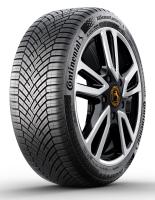
Overall Winner: Continental AllSeasonContact 2
Based on the tire test data and user reviews we have in our database, the Continental AllSeasonContact 2 has demonstrated better overall performance in this comparison. However, as you can see from the spider diagram above, each tire has its own strengths which should be considered in your final tire buying choice.Similar Comparisons
Looking for more tire comparisons? Here are other direct comparisons involving these tires:



Footnote
This page has been developed using tire industry testing best practices. This means we are only comparing tests which have had both tires in the same test.
Why is this important? Tire testing is heavily affected by things like surface grip levels and surface temperature, which means you can only compare values from the same day. During a tire test external condition changes are calculated into the overall results, but it is not possible to calculate this between tire tests performed on different days or at different locations.
As a result you will see other tests on Tire Reviews which feature both the %s and %s, but as they weren't conducted on the same day, the results are not comparable.
Lots of other websites do this sort of tire comparison, Tire Reviews doesn't.
Discussion
- No comments yet — be the first.