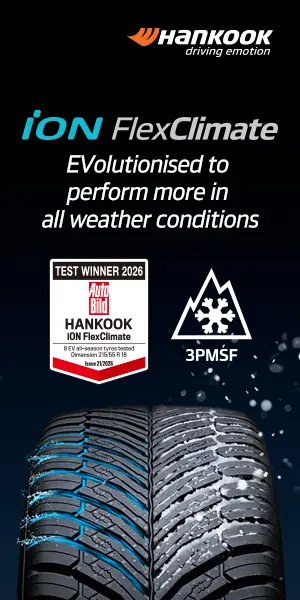
Hankook Winter I cept RS3 vs Vredestein Wintrac
- TR Score
- 8.8/10
- Owners say
- 75% · 29
- TR Score
- 9.1/10
- Owners say
- 81% · 6
In the 7 independent tests that ran both tires, the Winter I cept RS3 finished ahead 7 times and the Wintrac not once. The Winter I cept RS3 held 21.2% more grip in curved aquaplaning; the Wintrac stopped 1.7% shorter in the dry.
Data updated

Which should you buy?
Choose the Hankook Winter i*cept RS3 if your winter is dominated by wet roads, standing water, slush and regular snow days-it repeatedly ranks higher overall and is the clear aquaplaning leader, with strong snow ability. Choose the Vredestein Wintrac if you prioritize quieter cruising plus shorter dry and ice braking in cold conditions, and you can accept ADAC's recurring criticism of less precise dry handling and the resulting hit to overall ratings.
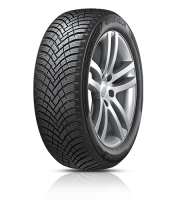
Where the Winter I cept RS3 is stronger
- Best-in-comparison aquaplaning security: wins straight aquaplaning in 4/4 reported tests (e.g., ADAC 2026: 96.1 vs 88.0 km/h) and curved aquaplaning in 4/4 (often by ~9-26%)
- Strong snow performance across braking/traction/handling (multiple wins; e.g., Auto Bild 2024 snow braking 29.1 m vs 30.2 m, plus traction and handling wins)
- Often stronger ownership economics in key 16-inch tests: very high predicted mileage in ADAC 2024 (52,800 km vs 33,400 km) and “Eco” positioning in Auto Bild (Eco-Master, with fair price/value in that test)
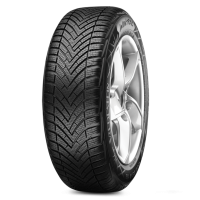
Where the Wintrac is stronger
- Consistently shorter dry braking distances (wins 4/4 reported dry-braking results; typically ~2.6-4.2% shorter)
- Stronger ice braking across shared datasets (wins 3/3 reported ice-braking results; e.g., ADAC 2026: 21 m vs 22 m)
- Quieter running in every shared test that reports noise (wins 4/4; e.g., ADAC 2024: 70.4 dB vs 71.7 dB)
Conclusion
Taken as a pattern across the shared tests, the Hankook Winter i*cept RS3 is the more consistently high-ranking tire overall. It beats the Wintrac in overall placement in every shared comparison (e.g., ADAC 2026: 3rd vs 8th; ADAC 2024 16-inch: 4th vs 10th; Auto Bild 2024: 6th vs 11th; Auto Express 2024: 3rd vs 5th), largely on the back of standout aquaplaning resistance and very dependable snow performance. The headline wet-safety story is aquaplaning: ADAC 2026 shows 96.1 km/h vs 88.0 km/h in straight aquaplaning (+9.2% for Hankook) and 4.0 vs 3.2 m/s² in curved (+25%); Auto Bild 2024 repeats that curved-aquaplaning gap (3.93 vs 3.12 m/s², ~+26%). In snow, Hankook more often wins braking/traction/handling (e.g., Auto Bild snow braking 29.1 m vs 30.2 m; ADAC 2024 snow braking 10.0 m vs 10.5 m).
The Vredestein Wintrac's counterpunch is more “everyday road feel” and cold-surface stopping: it wins dry braking in all four tests that reported it (e.g., 45.2 m vs 43.5 m in Auto Bild 2024; 44.8 m vs 42.9 m in ADAC 2023) and it is repeatedly better on ice braking (three wins, including ADAC 2026: 22 m vs 21 m). It's also consistently quieter (four noise wins, including ADAC 2024: 71.7 dB Hankook vs 70.4 dB Vredestein). The big caveat is that ADAC in particular repeatedly criticises the Wintrac for imprecise dry handling and needing steering corrections, which can cap its overall rating even when it performs well on wet and winter surfaces.
Practical takeaway: if you want the “safer bet” for wet winter highways and frequent slush standing water-without giving up strong snow ability-the Hankook is the smarter all-round purchase and usually the better-ranked option. If your winter driving is more dry/cold with occasional ice, and you value shorter dry braking and a quieter cabin, the Wintrac remains appealing-but accept that its dry handling/precision assessments (especially in ADAC) can hold it back from top-tier overall results.
Where to buy
Hankook Winter I cept RS3 Vredestein WintracAffiliate links: we may earn a commission if you buy. It never changes our results.
The bullet points are analysis of the shared tests and of owner reviews; the measured wins in each discipline are in the tables below. Where the two disagree, the figures are right.
Winter I cept RS3 vs Wintrac at a glance
| Category | Winter I cept RS3 | Gap | Wintrac |
|---|---|---|---|
| Shared tests won7 shared tests | 7 | 0 | |
| Dry7 measurements | 2 | The Wintrac stopped 1.7% shorter in the dry (5 tests) | 5 |
| Wet23 measurements | 15 | The Winter I cept RS3 held 21.2% more grip in curved aquaplaning (5 tests) | 7 |
| Snow15 measurements | 11 | The Winter I cept RS3 stopped 3.5% shorter on snow (6 tests) | 4 |
| Ice3 measurements | 0 | The Wintrac stopped 3.2% shorter on ice (3 tests) | 3 |
| Comfort6 measurements | 1 | The Wintrac was 1.1 dB quieter (5 tests) | 5 |
| Value9 measurements | 3 | The Wintrac used 1.2% less fuel (3 tests) | 5 |
| Environment3 measurements | 1 | 2 | |
| Tyre Reviews Scoreevery test and review we hold | 8.8/10 | The Wintrac by 0.3 | 9.1/10 |
| Owner rating29 and 6 reviews | 75% | The Wintrac by 6 points | 81% |
| Would buy againshare of owners | 71% | The Wintrac by 12 points | 83% |
| Pricein the 4 tests that listed prices | Cheaper | The Wintrac was dearer in 2 of 4 | +3.8% |
| Sizes madeEU label registrations | 46 | 21 sizes made in both | 28 |
Wins count every measurement the shared tests recorded for both tires; a tick marks the tire ahead on that line. Subjective driver scores count as wins but are never averaged, because each test uses its own scale.
Head to head in 7 tests, 2023 to 2026
Each row is one published test in which both tires ran on the same car, in the same size, on the same day. The line is the whole field, winner on the left.
| Test | Winter I cept RS3 | Field | Wintrac |
|---|---|---|---|
| 2026 Auto Bild 205/55 R16 Winter Tire Test | P2 of 14 | P6 of 14 | |
| 2026 ADAC Winter Tire Test - 185/65 R15 | P3 of 16 | P8 of 16 | |
| 2024 Auto Express Winter Tire Test | P3 of 7 | P5 of 7 | |
| 2024 Auto Bild Winter Tire Test | P6 of 20 | P11 of 20 | |
| 2024 ADAC 16 Inch Winter Tire Test | P4 of 12 | P10 of 12 | |
| 2024 Winter 55 Tire Braking Test | P14 of 55 | P17 of 55 | |
| 2023 ADAC 16 Inch Tire Test | P5 of 16 | P13 of 16 |

Performance profile
19 measurements from the 7 shared tests, each tire shown as its share of the better figure in every test.
Where each is furthest ahead
Winter I cept RS3
Wintrac
Point at or tap any spoke for both tires' figures.
In each test the better of the two figures counts as 100% and the other as its share of it, so a 118 ft stop against 112 ft is 95%; each spoke averages the shared tests that recorded it.
Where each scores higher
Winter I cept RS3
Wintrac
Point at or tap any spoke for both tires' figures.
Category scores are percentiles among tires of the same season and class: 90 means this tire out-performs 90% of them, measured across every test we hold, not only the ones it appeared in.
Where owners rate each higher
Winter I cept RS3
Wintrac
Point at or tap any spoke for both tires' figures.
Owners rate the Winter I cept RS3 75% from 29 reviews and the Wintrac 81% from 6. Each spoke is one question owners answer out of 10; reviews are vetted by hand before publication.
Every measurement, side by side
Averages of the figures both tires posted in the same tests. The gap is the average of each test's own gap, so figures from different cars and years are never mixed. Open a discipline for its measurements, and a measurement for every test's figure.
| Measurement | Winter I cept RS3 | Gap | Wintrac | Wins | ||||||||||||||||||||||||
|---|---|---|---|---|---|---|---|---|---|---|---|---|---|---|---|---|---|---|---|---|---|---|---|---|---|---|---|---|
| 98.6% | 99.6% | 2-5 | ||||||||||||||||||||||||||
| 147 | 1.7% | 145 | 1-4 | |||||||||||||||||||||||||
|
||||||||||||||||||||||||||||
| 59.2 | 0.3% | 59.3 | 1-1 | |||||||||||||||||||||||||
|
||||||||||||||||||||||||||||
| 99.5% | 96.1% | 15-71 level | ||||||||||||||||||||||||||
| 140 | = | 139 | 1-4 | |||||||||||||||||||||||||
|
||||||||||||||||||||||||||||
| 132 | 0.8% | 131 | 1-2 | |||||||||||||||||||||||||
|
||||||||||||||||||||||||||||
| 44 | 0.4% | 43.8 | 2-0 | |||||||||||||||||||||||||
|
||||||||||||||||||||||||||||
| 14.36 | = | 14.37 | 1-1 | |||||||||||||||||||||||||
|
||||||||||||||||||||||||||||
| 53.9 | 4.7% | 51.5 | 5-0 | |||||||||||||||||||||||||
|
||||||||||||||||||||||||||||
| 12.4 | 21.2% | 10.3 | 5-0 | |||||||||||||||||||||||||
|
||||||||||||||||||||||||||||
| 99.5% | 97.8% | 11-4 | ||||||||||||||||||||||||||
| 62 | 3.5% | 64 | 5-1 | |||||||||||||||||||||||||
|
||||||||||||||||||||||||||||
| 502 | 1.4% | 495 | 3-2 | |||||||||||||||||||||||||
|
||||||||||||||||||||||||||||
| 37 | 0.5% | 37.2 | 1-1 | |||||||||||||||||||||||||
|
||||||||||||||||||||||||||||
| 11.7 | 2.7% | 11.4 | 2-0 | |||||||||||||||||||||||||
|
||||||||||||||||||||||||||||
| 96.8% | 100% | 0-3 | ||||||||||||||||||||||||||
| 67 | 3.2% | 65 | 0-3 | |||||||||||||||||||||||||
|
||||||||||||||||||||||||||||
| 98.5% | 100% | 1-5 | ||||||||||||||||||||||||||
| scored | 4.4% | scored | 1-0 | |||||||||||||||||||||||||
|
||||||||||||||||||||||||||||
| 71.98 | 1.1 dB | 70.88 | 0-5 | |||||||||||||||||||||||||
|
||||||||||||||||||||||||||||
| 97.8% | 94.7% | 3-51 level | ||||||||||||||||||||||||||
| 26,261 | 15.8% | 22,804 | 2-2 | |||||||||||||||||||||||||
|
||||||||||||||||||||||||||||
| 8.21 | 0.7% | 8.26 | 1-1 | |||||||||||||||||||||||||
|
||||||||||||||||||||||||||||
| 5.5 | 1.2% | 5.43 | 0-2 | |||||||||||||||||||||||||
|
||||||||||||||||||||||||||||
| 89.0% | 88.9% | 1-2 | ||||||||||||||||||||||||||
| 70.33 | 0.1% | 69 | 1-2 | |||||||||||||||||||||||||
|
||||||||||||||||||||||||||||
Braking distances and lap times are better when lower; speeds, wear and grip figures when higher. A test's figures are its own: sizes, cars, surfaces and temperatures differ from one to the next, which is why the averages here are only ever of tests the two tires shared. "Scored" rows are subjective driver ratings: each test uses its own scale, so only the wins are counted. The percentage on each discipline's own row is that tire's overall for the discipline: its figure as a share of the better one in each test, averaged across the discipline's measured rows, so 100% means it led every one.
Scores beyond the shared tests
On the Tyre Reviews Score, which weighs every test and review we hold, the Winter I cept RS3 scores 8.8 and the Wintrac 9.1 out of 10.
| Winter I cept RS3 | Category | Wintrac | ||
|---|---|---|---|---|
| 65 | Dry | 83 | ||
| 94 | Wet | 86 | ||
| 41 | Comfort | 78 | ||
| 49 | Value | 48 | ||
| 72 | Environment | 73 | ||
| 77 | Snow | 48 | ||
| 34 | Ice | 71 | ||
Category scores are percentiles among tires of the same season and class: 90 means this tire out-performs 90% of them, measured across every test we hold, not only the ones it appeared in.
What owners say
| Winter I cept RS3 | Category | Wintrac | ||
|---|---|---|---|---|
| 8.3 | Dry Grip | 8 | ||
| 8.1 | Wet Grip | 8.5 | ||
| 7.3 | Road Feedback | 7.2 | ||
| 7.7 | Handling | 6.8 | ||
| 7.3 | Wear | 7.6 | ||
| 6.5 | Comfort | 8.3 | ||
| 8.8 | Snow Grip | 8.4 | ||
| 7.4 | Ice Grip | 7.8 | ||
Owners rate the Winter I cept RS3 75% from 29 reviews and the Wintrac 81% from 6. Reviews are vetted by hand before publication; ownership is not verified.
Hankook Winter I cept RS3
- 75%from 29 reviews
- 71%would buy again
- 158,320 milesdriven by reviewers
Owners generally rate the Hankook Winter I cept RS3 as a capable winter tire with strong real-world grip, particularly in snow and wet conditions, backed up by solid dry grip and handling for a winter pattern. Around two in five owners specifically praise snow traction and wet grip, and a smaller but meaningful group also mention confident aquaplaning resistance and wet handling. The standout drawback is road noise: nearly two thirds of owners mention it and most of those are unhappy, often describing it as noticeably loud at speed. A smaller group also report softer, less responsive steering feel, with mixed feedback on tread life.
- Strong snow traction and confidence in winter conditions
- Reassuring wet grip
- Very good dry grip for a winter tire
- Secure wet handling
- Noticeably loud road noise, especially at speed
- Steering feels soft / less responsive
- Mixed or disappointing tread life
Summarised by AI from 25 vetted reviews; the reviews themselves are on the tire page.
All 29 Winter I cept RS3 reviewsI drove some 13000 km with them, once they got 3 years old dry rot cracks were already visible in the tread area around the tread blocks, my winter tires before them were Continental TS850 replaced at 10 years old, gave them away to my father, they were made in 2012, still no dry rot cracks in them at 14 years old, but they aren't as grippy as my new Hankooks. However, Continental is a premium class, Hankooks are middle and now I can see why.
What I misjudged about Hankooks is noise above some 95 km/h, it's more the engine getting more noisy similar noise to the tires humming excessively, once I distinguished that, I can say these Hankooks aren't noisy at all. However, dry rot at just 3 years old is not what I like, I almost wish I paid 80 euros per tire for premium class instead 60 for these Hankooks, they surely aren't going to last me 10 years due to dry rot. But for now, they do their job well, if you wear out tires within a few years, they are good tires
Vredestein Wintrac
- 81%from 6 reviews
- 83%would buy again
- 27,300 milesdriven by reviewers
Most owners rate the Vredestein Wintrac highly, with four of five praising its snow traction and three reporting good wet grip. Two owners also praise wet braking and ice grip, while two find the ride comfortable. Both owners who discuss wear after two winters say tread life has been reasonable, though neither has reached the end of the tire's life. One owner reports poor stability on damp roads, at odds with the other wet-weather accounts, and another finds steering feedback muted. With no end-of-life reviews, longer-term changes in grip and noise remain unclear.
- Strong traction on snow
- Good wet grip
- Secure grip on ice
- Effective wet braking
- Poor stability on damp roads reported by one owner
- Muted steering feedback reported by one owner
Summarised by AI from 5 vetted reviews; the reviews themselves are on the tire page.
All 6 Wintrac reviewsI have driven over 10 000km on them in 2 full winter seasons.
I was positively surprised by great traction and handling on all types
of snow and icy roads. High above average on wet too.
On wet, ABS activates only at very hard braking.
Possible to drive on snow without ABS to interfere during
normal braking in city traffic which is great.
Wear is also reasonable for the fact they were used in spring season
on dry roads for a month or more in 2 seasons total.
They are not providing much feedback at all perhaps very comfortable,
safe tires. I highly recommend them.
Sizes, EU label and lineage
From the EU label registrations for each tire: 46 sizes of the Winter I cept RS3 and 28 of the Wintrac, 21 of them made in both.
| Category | Winter I cept RS3 | Wintrac |
|---|---|---|
| Season | Winter | Winter |
| Sizes made | 46 sizes, 14 to 17 inch | 28 sizes, 15 to 19 inch |
| Made in both | 21 sizes 165/60 R15165/65 R15175/65 R15185/55 R15185/60 R15185/65 R15195/55 R15195/60 R15195/65 R15195/45 R16195/50 R16195/55 R16and 9 more | |
| EU label wet grip | B100% | B98%C2% |
| EU label rolling resistance | C58%D42% | C71%D27%B2% |
| EU label noise | 70-72 dB B100% | 69-71 dB B100% |
| Severe snow (3PMSF) sizes | 189 of 189 | 45 of 45 |
| On the market since | 2021 | 2020 |
| Replaced | Hankook Winter i cept RS2 (2021) | - |
| Awards |
Tyre Reviews awards
Highly Recommended 2022/23 Tyre Reviews Winter Tire Test
Rated by other publications
Test Winner 1
Highly Recommended 1
Recommended 2
|
Rated by other publications Recommended 1 |
| Price in the shared tests | The Wintrac was the dearer tire in 2 of the 4 tests that listed prices, by 3.8% on average. Each test priced the tires in its own market at the time; only the gap is comparable. | |
Prices by size
Lowest price per tire at our partner shops, including delivery, in the sizes both are made in.
| Size | Winter I cept RS3 | Wintrac |
|---|---|---|
| 165/60 R15 | ||
| 165/65 R15 | ||
| 175/65 R15 | ||
| 185/55 R15 | ||
| 185/60 R15 | ||
| 185/65 R15 | ||
| 195/55 R15 | ||
| 195/60 R15 | ||
| 195/65 R15 | ||
| 195/45 R16 | ||
| 195/50 R16 | ||
| 195/55 R16 |
Affiliate links: we may earn a commission if you buy. It never changes our results.
Label grades are shown as the share of registered sizes carrying each grade, so "B (88%), C (12%)" means most sizes are B. Grades vary by size; check the label for yours.
Reading the results
Written from the test results and owner reviews above. It is analysis, not a measurement: where it and the tables disagree, the tables are right.
Hankook's Winter i*cept RS3 and Vredestein's Wintrac sit in the same “premium-touring” winter-tire space, but the shared test record shows they take noticeably different routes to winter competence. Across six overlapping group tests (ADAC, Auto Bild, Auto Express and a large braking comparison), Hankook tends to place higher overall-most clearly in ADAC's rankings-while Vredestein often posts strong single-metric results in braking and comfort-related areas.
The biggest theme is conditions: the Hankook repeatedly builds its advantage on wet-weather security at speed (aquaplaning) and strong snow performance, whereas the Vredestein more often answers back with shorter dry braking and better ice braking, plus consistently lower noise. If your winters are more “wet motorway + occasional snow,” the Hankook's strengths are hard to ignore; if your priority is a calmer, quieter tire with strong braking on cold dry roads and ice, the Wintrac still has a clear case.
Winter I cept RS3 vs Wintrac: your questions
Is the Hankook Winter I cept RS3 or the Vredestein Wintrac the better tire?
In the 7 independent tests that ran both tires, the Hankook Winter I cept RS3 finished ahead 7 times and the Wintrac not once. On the Tyre Reviews Score, which weighs every test and review we hold, the Winter I cept RS3 scores 8.8 and the Wintrac 9.1 out of 10.
Which is better in the wet, the Winter I cept RS3 or the Wintrac?
The Winter I cept RS3 led 15 of the 23 wet measurements the shared tests recorded. On average it held 21.2% more grip in curved aquaplaning across 5 tests.
Which is better in the dry?
The Wintrac led 5 of the 7 dry measurements the shared tests recorded. On average it stopped 1.7% shorter in the dry across 5 tests.
Which is better in snow?
The Winter I cept RS3 led 11 of the 15 snow measurements the shared tests recorded. On average it stopped 3.5% shorter on snow across 6 tests.
Which lasts longer and costs less to run?
The Wintrac used 1.2% less fuel (3 tests). Owners rate wear 7.3/10 for the Winter I cept RS3 and 7.6/10 for the Wintrac.
Which is quieter and more comfortable?
The Wintrac was 1.1 dB quieter (5 tests). Owners rate comfort 6.5/10 for the Winter I cept RS3 and 8.3/10 for the Wintrac.
What do owners say?
Owners rate the Winter I cept RS3 75% from 29 reviews and the Wintrac 81% from 6. 71% of Winter I cept RS3 owners would buy it again, against 83% for the Wintrac.
Which is more expensive?
In the 4 tests that listed prices, the Wintrac was the dearer tire in 2 of them, by 3.8% on average. Prices are the test's own at the time, in its own market.
Are they available in the same sizes?
The Winter I cept RS3 is made in 46 sizes (14 to 17 inch) and the Wintrac in 28 (15 to 19 inch). 21 sizes are available in both. On the EU label the Winter I cept RS3 is graded B for wet grip and C for rolling resistance in most sizes; the Wintrac B and C.
Which is the newer tire?
The Winter I cept RS3 is the newer design: it reached the market in 2021, the Wintrac in 2020. The Winter I cept RS3 replaced the Hankook Winter i cept RS2.
More comparisons with these tires
 vs
Bridgestone Blizzak 6 vs Hankook Winter I cept RS3
6-3 in 10 shared tests
 vs
Continental WinterContact TS 870 vs Hankook Winter I cept RS3
10-0 in 10 shared tests
 vs
Goodyear UltraGrip Performance 3 vs Hankook Winter I cept RS3
11-2 in 15 shared tests
vs
 Hankook Winter I cept RS3 vs Kumho WinterCraft WP52+
2-1 in 4 shared tests
vs
 Hankook Winter I cept RS3 vs Kumho WinterCraft WP52
4-1 in 5 shared tests
 vs
Falken EUROWINTER HS02 vs Hankook Winter I cept RS3
0-9 in 9 shared tests
vs
 Hankook Winter I cept RS3 vs Kleber Krisalp HP3
6-0 in 6 shared tests
vs
 Hankook Winter I cept RS3 vs Pirelli Cinturato Winter 2
8-3 in 11 shared tests
Run either of these?
Your review is the part of this page no test can supply: how the tire wore, how it aged, what it was like in the rain in year three. It takes about five minutes.
Where this data comes from
Finishing positions and measurements are transcribed from each published test. A test only counts here when both tires ran in it, so every figure was recorded on the same car, size and day as the one it is compared to.
About the TR Score
The Tyre Reviews Score rates each tire out of 10 from every independent test result and vetted owner review we hold, so two tires can be compared even before a test has run them together.
Who does the testing
Every test published as a Tyre Reviews test is run by Jonathan Benson, who has been testing tires independently since 2007.
Discussion