Michelin Pilot Alpin 5 vs Pirelli Cinturato Winter 3
- TR Score
- 9.5/10
- Owners say
- 87% · 34
- TR Score
- 9.2/10
- Owners say
- 77% · 5
In the 2 independent tests that ran both tires, the Pilot Alpin 5 finished ahead 1 times and the Cinturato Winter 3 not once, with one level. The Pilot Alpin 5 stopped 2% shorter in the dry; the Cinturato Winter 3 stopped 6.2% shorter in the wet.
Data updated

Which should you buy?
Pick the Michelin Pilot Alpin 5 for regular snow driving and stronger dry braking. Pick the Pirelli Cinturato Winter 3 if cold, wet roads predominate and shorter wet braking is your priority.
Where the Pilot Alpin 5 is stronger
- Best snow tire in both 2026 Auto Bild tests
- Shorter dry braking distances in both tests
- Higher comfort ratings in both tests

Where the Cinturato Winter 3 is stronger
- Shortest wet braking distances in both 2026 Auto Bild tests
- Led winter tires in wet handling in Auto Bild Allrad's SUV test
- Lower rolling resistance in Auto Bild Sportscars' test
Conclusion
The Michelin Pilot Alpin 5 finished first against the Pirelli Cinturato Winter 3's fourth place in Auto Bild Sportscars' 2026 winter tire test, while both shared second in Auto Bild Allrad's 2026 SUV winter tire test. Michelin's clearest advantage is snow. It braked shorter, found more traction and recorded better handling and slalom results in both tests. Its snow braking distance was about 2% shorter in Sportscars and about 4% shorter in Allrad, though the traction and handling gaps were smaller in Allrad. The testers called Michelin the best snow tire in each test. It also stopped shorter in the dry in both, by about 3% and 1% respectively; the dry handling gaps were only around 1%.
Pirelli's most consistent advantage is wet braking. It stopped about 7% shorter in Sportscars and about 6% shorter in Allrad, and was the shortest-stopping winter tire in both tests. In Allrad it also led the winter tires in wet handling and on the wet circle. Sportscars qualifies that wet-road lead: Michelin was slightly faster in wet handling there and did better in both aquaplaning measures. Allrad put Pirelli fractionally ahead in straight-line aquaplaning and further ahead on the curve. Pirelli is therefore the clearer choice for wet stopping, but not the leader on every wet measure in both sizes.
Michelin was rated more comfortable in both tests. It was quieter in Sportscars, but the noise readings were virtually identical in Allrad. Rolling resistance changed order, favoring Pirelli in Sportscars and Michelin narrowly in Allrad, so neither has a consistent lead there. Choose Michelin if you regularly drive on snow and also want the stronger dry-braking result. Choose Pirelli if your winter journeys are mostly on cold, wet roads and wet braking matters most. Its shared second place in the SUV test shows that it remains competitive overall, despite a more noticeable snow-handling deficit in Sportscars.
The bullet points are analysis of the shared tests and of owner reviews; the measured wins in each discipline are in the tables below. Where the two disagree, the figures are right.
Pilot Alpin 5 vs Cinturato Winter 3 at a glance
| Category | Pilot Alpin 5 | Gap | Cinturato Winter 3 |
|---|---|---|---|
| Shared tests won2 shared tests | 1 | 1 level | 0 |
| Dry4 measurements | 4 | The Pilot Alpin 5 stopped 2% shorter in the dry (2 tests) | 0 |
| Wet9 measurements | 3 | The Cinturato Winter 3 stopped 6.2% shorter in the wet (2 tests) | 6 |
| Snow8 measurements | 8 | The Pilot Alpin 5 stopped 3.4% shorter on snow (2 tests) | 0 |
| Comfort4 measurements | 3 | 1 | |
| Value2 measurements | 1 | Level between the two. | 1 |
| Tire Reviews Scoreevery test and review we hold | 9.5/10 | The Pilot Alpin 5 by 0.3 | 9.2/10 |
| Owner rating34 and 5 reviews | 87% | The Pilot Alpin 5 by 10 points | 77% |
| Would buy againshare of owners | 85% | The Pilot Alpin 5 by 25 points | 60% |
| Pricein the 2 tests that listed prices | +7.3% | The Pilot Alpin 5 was dearer in 2 of 2 | Cheaper |
| Sizes madeEU label registrations | 81 | 15 sizes made in both | 36 |
Wins count every measurement the shared tests recorded for both tires; a tick marks the tire ahead on that line. Subjective driver scores count as wins but are never averaged, because each test uses its own scale.
Head to head in 2 tests in 2026
Each row is one published test in which both tires ran on the same car, in the same size, on the same day. The line is the whole field, winner on the left.
| Test | Pilot Alpin 5 | Field | Cinturato Winter 3 |
|---|---|---|---|
| 2026 Auto Bild Sportscars Winter Tire Test | P1 of 12 | P4 of 12 | |
| 2026 Auto Bild Allrad SUV Winter Tire Test | P2 of 10 | P2 of 10 |

Performance profile
13 measurements from the 2 shared tests, each tire shown as its share of the better figure in every test.
Where each is furthest ahead
Pilot Alpin 5
Cinturato Winter 3
Point at or tap any spoke for both tires' figures.
In each test the better of the two figures counts as 100% and the other as its share of it, so a 118 ft stop against 112 ft is 95%; each spoke averages the shared tests that recorded it. The scale stops at 96%: a point further in sits on the hub's edge, hollow. 1 measurement recorded in only one shared test is left off; every measurement is in the table further down.
Where each scores higher
Pilot Alpin 5
Cinturato Winter 3
Point at or tap any spoke for both tires' figures.
Category scores are percentiles among tires of the same season and class: 90 means this tire out-performs 90% of them, measured across every test we hold, not only the ones it appeared in.
Where owners rate each higher
Pilot Alpin 5
Cinturato Winter 3
Point at or tap any spoke for both tires' figures.
Owners rate the Pilot Alpin 5 87% from 34 reviews and the Cinturato Winter 3 77% from 5. Each spoke is one question owners answer out of 10; reviews are vetted by hand before publication.
Every measurement, side by side
Averages of the figures both tires posted in the same tests. The gap is the average of each test's own gap, so figures from different cars and years are never mixed. Open a discipline for its measurements, and a measurement for every test's figure.
| Measurement | Pilot Alpin 5 | Gap | Cinturato Winter 3 | Wins | ||||||||
|---|---|---|---|---|---|---|---|---|---|---|---|---|
| 135 | 2% | 138 | 2-0 | |||||||||
|
||||||||||||
| 65.7 | 1% | 65.1 | 2-0 | |||||||||
|
||||||||||||
| 164 | 6.2% | 154 | 0-2 | |||||||||
|
||||||||||||
| 47.9 | 0.4% | 48.1 | 1-1 | |||||||||
|
||||||||||||
| 16.36 | 1.5% | 16.11 | 0-1 | |||||||||
|
||||||||||||
| 49.1 | 1.4% | 48.5 | 1-1 | |||||||||
|
||||||||||||
| 9.4 | 2.5% | 9.3 | 1-1 | |||||||||
|
||||||||||||
| 87 | 3.4% | 90 | 2-0 | |||||||||
|
||||||||||||
| 728 | 2.2% | 714 | 2-0 | |||||||||
|
||||||||||||
| 33.8 | 2.1% | 33.1 | 2-0 | |||||||||
|
||||||||||||
| 13.7 | 3% | 13.3 | 2-0 | |||||||||
|
||||||||||||
| scored | 7.9% | scored | 2-0 | |||||||||
|
||||||||||||
| 70.7 | 0.4 dB | 71.1 | 1-1 | |||||||||
|
||||||||||||
| 8.15 | 2.3% | 7.95 | 1-1 | |||||||||
|
||||||||||||
Braking distances and lap times are better when lower; speeds, wear and grip figures when higher. A test's figures are its own: sizes, cars, surfaces and temperatures differ from one to the next, which is why the averages here are only ever of tests the two tires shared. "Scored" rows are subjective driver ratings: each test uses its own scale, so only the wins are counted.
Scores beyond the shared tests
On the Tire Reviews Score, which weighs every test and review we hold, the Pilot Alpin 5 scores 9.5 and the Cinturato Winter 3 9.2 out of 10.
| Pilot Alpin 5 | Category | Cinturato Winter 3 | ||
|---|---|---|---|---|
| 99 | Dry | 90 | ||
| 90 | Wet | 100 | ||
| 89 | Comfort | 69 | ||
| 59 | Value | 44 | ||
| 92 | Snow | 72 | ||
| 80 | Ice | 40 | ||
Category scores are percentiles among tires of the same season and class: 90 means this tire out-performs 90% of them, measured across every test we hold, not only the ones it appeared in.
What owners say
| Pilot Alpin 5 | Category | Cinturato Winter 3 | ||
|---|---|---|---|---|
| 9.1 | Dry Grip | 8.6 | ||
| 9 | Wet Grip | 8.8 | ||
| 8.8 | Road Feedback | 7 | ||
| 9 | Handling | 7.6 | ||
| 9 | Wear | 8.5 | ||
| 8.3 | Comfort | 6.4 | ||
| 9 | Snow Grip | 9.5 | ||
| 8 | Ice Grip | 9 | ||
Owners rate the Pilot Alpin 5 87% from 34 reviews and the Cinturato Winter 3 77% from 5. Reviews are vetted by hand before publication; ownership is not verified.
Michelin Pilot Alpin 5
- 87%from 34 reviews
- 85%would buy again
- 402,850 milesdriven by reviewers
Owners rate the Michelin Pilot Alpin 5 highly overall (average 82.7%), with the clearest consensus around strong snow traction and unusually capable dry-road performance for a winter tire. Wet grip also earns plenty of praise, and a smaller group highlights sharp steering feel and secure snow handling. Complaints are more mixed, but around a quarter of owners mention either firmer-than-expected ride comfort or disappointing ice performance, and a smaller minority report noticeable road noise and weak slush behavior.
- Strong snow traction and confidence in winter conditions
- Outstanding dry grip for a winter tire
- Very good wet grip
- Secure, sporty handling on dry roads
- Ice grip can be poor and unpredictable for some
- Firm or bumpy ride comfort for a winter tire
- Noticeable road noise at speed
Summarised by AI from 27 vetted reviews; the reviews themselves are on the tire page.
All 34 Pilot Alpin 5 reviewsThe tires are quite good in the dry and come into their own when the temperature drops below 7C. The responsiveness improves as the temperature drops, especially around freezing point and these tires are a much better option than the all weather tires I used to fit on some of my previous cars.
Pirelli Cinturato Winter 3
- 77%from 5 reviews
- 60%would buy again
- 11,000 milesdriven by reviewers
Drivers generally rate the Pirelli Cinturato Winter 3 positively, highlighting strong winter capability and a confident, planted feel in snow/ice as well as reassuring grip in wet conditions. Several also note good overall handling and comfort, with some reporting impressive quietness at lower speeds (especially with PNCS). The most consistent drawback is increased road noise as speeds rise (around 100-110 km/h and above), and a couple of users report higher energy consumption on EVs versus summer tires.
- Strong snow and ice traction
- Confident grip and stability in wet conditions
- Good dry-road handling for a winter tire
- Comfortable ride and generally refined feel (noted by multiple users)
- Noticeable road noise at higher speeds (around 100-110 km/h and above)
- Higher energy consumption/rolling resistance versus summer tires (reported on EVs)
Summarised by AI from 5 vetted reviews; the reviews themselves are on the tire page.
All 5 Cinturato Winter 3 reviewsCompared to the previous tire (Michelin Alpin 6), the Pirelli Cinturato Winter 3 offers more grip on snow.
I haven’t yet reached the limit in dry or wet conditions to provide an objective evaluation in those scenarios, but I notice that as lateral forces increase, the steering loses precision, accompanied by a clearly noticeable noise, typical of a winter tire “working”.
I believe this is due to the relatively narrow tread blocks. The car has also become more sensitive to crosswinds, as well as to road camber.
It is a safe tire, but not a particularly fun or precise one.
Sizes, EU label and lineage
From the EU label registrations for each tire: 81 sizes of the Pilot Alpin 5 and 36 of the Cinturato Winter 3, 15 of them made in both.
| Category | Pilot Alpin 5 | Cinturato Winter 3 |
|---|---|---|
| Season | Winter | Winter |
| Sizes made | 81 sizes, 16 to 23 inch | 36 sizes, 16 to 20 inch |
| Made in both | 15 sizes 205/60 R16215/65 R16225/50 R17235/55 R17215/40 R18215/50 R18215/55 R18225/40 R18225/45 R18225/50 R18225/55 R18225/60 R18and 3 more | |
| EU label wet grip | B58%C40%D2% | A58%B42% |
| EU label rolling resistance | C60%D30%B9% | C61%B39% |
| EU label noise | 68-75 dB B70%A30% | 72 dB B100% |
| Severe snow (3PMSF) sizes | 96 of 96 | 36 of 36 |
| On the market since | 2017 | 2025 |
| Replaced | Michelin Pilot Alpin 4 (2012) | Pirelli Cinturato Winter 2 (2021) |
| Price in the shared tests | The Pilot Alpin 5 was the dearer tire in 2 of the 2 tests that listed prices, by 7.3% on average. Each test priced the tires in its own market at the time; only the gap is comparable. | |
Label grades are shown as the share of registered sizes carrying each grade, so "B (88%), C (12%)" means most sizes are B. Grades vary by size; check the label for yours.
Reading the results
Written from the test results and owner reviews above. It is analysis, not a measurement: where it and the tables disagree, the tables are right.
Two independent 2026 tests put these tires side by side: Auto Bild Sportscars' winter tire test and Auto Bild Allrad's SUV winter tire test. The Michelin Pilot Alpin 5 finished first and the Pirelli Cinturato Winter 3 fourth in Sportscars; they shared second place in Allrad. Across both sizes, Michelin has the stronger snow results and shorter dry braking distances, while Pirelli stops shorter in the wet.
That pattern is clearer than the overall places alone suggest. Michelin led Pirelli in every measured snow discipline in both tests, although several Allrad gaps were small. Pirelli's wet braking distance was about 6% shorter in each test, and it also led the wet handling and wet circle measures in Allrad. Michelin was slightly faster in wet handling in Sportscars, so neither tire leads every wet measure. The repeated snow and wet-braking results make a firmer basis for choosing between them than the narrow handling differences.
Pilot Alpin 5 vs Cinturato Winter 3: your questions
Is the Michelin Pilot Alpin 5 or the Pirelli Cinturato Winter 3 the better tire?
In the 2 independent tests that ran both tires, the Michelin Pilot Alpin 5 finished ahead 1 times and the Cinturato Winter 3 not once, with one level. On the Tire Reviews Score, which weighs every test and review we hold, the Pilot Alpin 5 scores 9.5 and the Cinturato Winter 3 9.2 out of 10.
Which is better in the wet, the Pilot Alpin 5 or the Cinturato Winter 3?
The Cinturato Winter 3 led 6 of the 9 wet measurements the shared tests recorded. On average it stopped 6.2% shorter in the wet across 2 tests.
Which is better in the dry?
The Pilot Alpin 5 led 4 of the 4 dry measurements the shared tests recorded. On average it stopped 2% shorter in the dry across 2 tests.
Which is better in snow?
The Pilot Alpin 5 led 8 of the 8 snow measurements the shared tests recorded. On average it stopped 3.4% shorter on snow across 2 tests.
Which is quieter and more comfortable?
Owners rate comfort 8.3/10 for the Pilot Alpin 5 and 6.4/10 for the Cinturato Winter 3.
What do owners say?
Owners rate the Pilot Alpin 5 87% from 34 reviews and the Cinturato Winter 3 77% from 5. 85% of Pilot Alpin 5 owners would buy it again, against 60% for the Cinturato Winter 3.
Which is more expensive?
In the 2 tests that listed prices, the Pilot Alpin 5 was the dearer tire in 2 of them, by 7.3% on average. Prices are the test's own at the time, in its own market.
Are they available in the same sizes?
The Pilot Alpin 5 is made in 81 sizes (16 to 23 inch) and the Cinturato Winter 3 in 36 (16 to 20 inch). 15 sizes are available in both. On the EU label the Pilot Alpin 5 is graded B for wet grip and C for rolling resistance in most sizes; the Cinturato Winter 3 A and C.
Which is the newer tire?
The Cinturato Winter 3 is the newer design: it reached the market in 2025, the Pilot Alpin 5 in 2017. The Pilot Alpin 5 replaced the Michelin Pilot Alpin 4. The Cinturato Winter 3 replaced the Pirelli Cinturato Winter 2.
More comparisons with these tires
 vs
Goodyear UltraGrip Performance 3 vs Michelin Pilot Alpin 5
3-14 in 18 shared tests
 vs
Continental WinterContact TS 870 P vs Michelin Pilot Alpin 5
3-14 in 21 shared tests
 vs
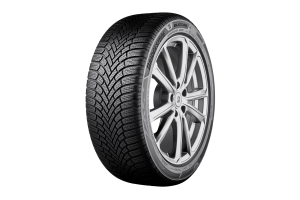
Bridgestone Blizzak 6 vs Michelin Pilot Alpin 5
0-11 in 11 shared tests
 vs
Hankook Winter i cept evo3 vs Michelin Pilot Alpin 5
1-18 in 20 shared tests
 vs
Bridgestone Blizzak LM005 vs Michelin Pilot Alpin 5
5-10 in 16 shared tests
 vs
Michelin Alpin 7 vs Pirelli Cinturato Winter 3
0-5 in 5 shared tests
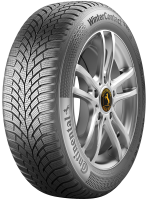 vs
Continental WinterContact TS 870 vs Pirelli Cinturato Winter 3
1-3 in 4 shared tests
vs
Goodyear UltraGrip Performance 3 vs Pirelli Cinturato Winter 3
2-5 in 7 shared tests
Every Michelin vs Pirelli test → All comparisons → Compare three or more tires →
Run either of these?
Your review is the part of this page no test can supply: how the tire wore, how it aged, what it was like in the rain in year three. It takes about five minutes.
Where this data comes from
Finishing positions and measurements are transcribed from each published test. A test only counts here when both tires ran in it, so every figure was recorded on the same car, size and day as the one it is compared to.
About the TR Score
The Tire Reviews Score rates each tire out of 10 from every independent test result and vetted owner review we hold, so two tires can be compared even before a test has run them together.
Who does the testing
Every test published as a Tire Reviews test is run by Jonathan Benson, who has been testing tires independently since 2007.
Discussion