

Continental IceContact 3 vs Goodyear UltraGrip Arctic 2
- TR Score
- 9.1/10
- Owners say
- 79% · 3
- TR Score
- 9.2/10
- Owners say
- 91% · 1
In the 8 independent tests that ran both tires, the Goodyear UltraGrip Arctic 2 finished ahead 7 times and the IceContact 3 once. The IceContact 3 lapped the wet handling course 0.7% faster; the UltraGrip Arctic 2 stopped 18.1% shorter on ice.
Data updated

Which should you buy?
Choose the Goodyear UltraGrip Arctic 2 if you regularly face ice (black ice, polished intersections, freeze-thaw cycles) and want the strongest braking/traction safety margin studs can deliver. Choose the Continental IceContact 3 if your winter driving is more often on cleared wet/dry roads and you value a calmer, more predictable, quieter studded tire-accepting that it gives up meaningful ice performance versus the Goodyear.
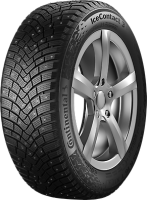
Where the IceContact 3 is stronger
- Stronger and more confidence-inspiring behavior on bare pavement (wet/dry stability and predictable handling noted repeatedly)
- Often quieter/more comfortable for a studded tire; noise figures favor it in several tests (e.g., 73.6 dB vs 75.2 dB in 2024)
- Competitive wet performance with frequent wins in wet braking and wet handling times across the shared dataset
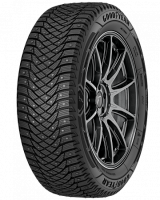
Where the UltraGrip Arctic 2 is stronger
- Class-leading ice performance where it matters most: consistently shorter ice braking and stronger ice traction across nearly every shared test
- Very strong snow performance in acceleration/traction and generally secure, safe winter-road behavior
- High overall competitiveness: 7/8 shared test wins and top class positions (e.g., 1/8 vs 3/8 in the 2025 studded class ranking)
The bullet points are analysis of the shared tests and of owner reviews; the measured wins in each discipline are in the tables below. Where the two disagree, the figures are right.
IceContact 3 vs UltraGrip Arctic 2 at a glance
| Category | IceContact 3 | Gap | UltraGrip Arctic 2 |
|---|---|---|---|
| Shared tests won8 shared tests | 1 | 7 | |
| Dry10 measurements | 5 | 3 | |
| Wet18 measurements | 10 | The IceContact 3 lapped the wet handling course 0.7% faster (6 tests) | 7 |
| Snow18 measurements | 7 | The UltraGrip Arctic 2 was 1.6% quicker in the snow traction test (6 tests) | 9 |
| Ice18 measurements | 0 | The UltraGrip Arctic 2 stopped 18.1% shorter on ice (6 tests) | 17 |
| Comfort8 measurements | 6 | The IceContact 3 was 1 dB quieter (4 tests) | 2 |
| Value4 measurements | 3 | 1 | |
| Tire Reviews Scoreevery test and review we hold | 9.1/10 | The UltraGrip Arctic 2 by 0.1 | 9.2/10 |
| Owner rating3 and 1 reviews | 79% | The UltraGrip Arctic 2 by 12 points | 91% |
| Pricein the 5 tests that listed prices | +12.5% | The IceContact 3 was dearer in 5 of 5 | Cheaper |
Wins count every measurement the shared tests recorded for both tires; a tick marks the tire ahead on that line. Subjective driver scores count as wins but are never averaged, because each test uses its own scale.
Head to head in 8 tests, 2021 to 2025
Each row is one published test in which both tires ran on the same car, in the same size, on the same day. The line is the whole field, winner on the left.
| Test | IceContact 3 | Field | UltraGrip Arctic 2 |
|---|---|---|---|
| 2025 Studded, Friction and European Winter Tire Test | P3 of 8 | P1 of 8 | |
| 2025 Friction and Studded Winter Tire Test | P2 of 7 | P3 of 7 | |
| 2024 Studded Tire Test | P5 of 8 | P4 of 8 | |
| The Best Studded / Friction Winter Tires for 2024 | P6 of 6 | P5 of 6 | |
| 2023 Studded Tire Test | P5 of 8 | P3 of 8 | |
| 2022 Studded Winter Tire Test | P5 of 8 | P3 of 8 | |
| 2021 Nordic Studded Winter Tire Test | P5 of 8 | P3 of 8 | |
| 2021 Studless and Studded Winter Tire Test | P6 of 9 | P2 of 9 |

Performance profile
16 measurements from the 8 shared tests, each tire shown as its share of the better figure in every test.
Where each is furthest ahead
IceContact 3
UltraGrip Arctic 2
Point at or tap any spoke for both tires' figures.
In each test the better of the two figures counts as 100% and the other as its share of it, so a 118 ft stop against 112 ft is 95%; each spoke averages the shared tests that recorded it. The scale stops at 85%: a point further in sits on the hub's edge, hollow. 3 measurements recorded in only one shared test are left off; every measurement is in the table further down.
Where each scores higher
IceContact 3
UltraGrip Arctic 2
Point at or tap any spoke for both tires' figures.
Category scores are percentiles among tires of the same season and class: 90 means this tire out-performs 90% of them, measured across every test we hold, not only the ones it appeared in.
Every measurement, side by side
Averages of the figures both tires posted in the same tests. The gap is the average of each test's own gap, so figures from different cars and years are never mixed. Open a discipline for its measurements, and a measurement for every test's figure.
| Measurement | IceContact 3 | Gap | UltraGrip Arctic 2 | Wins | ||||||||||||||||||||||||
|---|---|---|---|---|---|---|---|---|---|---|---|---|---|---|---|---|---|---|---|---|---|---|---|---|---|---|---|---|
| 109 | 0.4% | 108 | 3-3 | |||||||||||||||||||||||||
|
||||||||||||||||||||||||||||
| scored | 54.2% | scored | 2-0 | |||||||||||||||||||||||||
|
||||||||||||||||||||||||||||
| 118 | = | 118 | 4-2 | |||||||||||||||||||||||||
|
||||||||||||||||||||||||||||
| 40.09 | 0.7% | 40.38 | 5-1 | |||||||||||||||||||||||||
|
||||||||||||||||||||||||||||
| scored | 6.3% | scored | 0-1 | |||||||||||||||||||||||||
|
||||||||||||||||||||||||||||
| 38.1 | 1% | 38.6 | 1-3 | |||||||||||||||||||||||||
|
||||||||||||||||||||||||||||
| 84 | 0.6% | 83 | 3-3 | |||||||||||||||||||||||||
|
||||||||||||||||||||||||||||
| 5.24 | 1.6% | 5.16 | 0-5 | |||||||||||||||||||||||||
|
||||||||||||||||||||||||||||
| 73.49 | 0.2% | 73.72 | 4-1 | |||||||||||||||||||||||||
|
||||||||||||||||||||||||||||
| scored | = | scored | 0-0 | |||||||||||||||||||||||||
|
||||||||||||||||||||||||||||
| 80 | 18.1% | 68 | 0-6 | |||||||||||||||||||||||||
|
||||||||||||||||||||||||||||
| 5.56 | 11.6% | 4.87 | 0-5 | |||||||||||||||||||||||||
|
||||||||||||||||||||||||||||
| 52.49 | 4% | 50.26 | 0-5 | |||||||||||||||||||||||||
|
||||||||||||||||||||||||||||
| scored | 12.5% | scored | 0-1 | |||||||||||||||||||||||||
|
||||||||||||||||||||||||||||
| scored | 85% | scored | 2-0 | |||||||||||||||||||||||||
|
||||||||||||||||||||||||||||
| scored | 16.7% | scored | 0-2 | |||||||||||||||||||||||||
|
||||||||||||||||||||||||||||
| 73.2 | 1 dB | 74.15 | 4-0 | |||||||||||||||||||||||||
|
||||||||||||||||||||||||||||
| 5.4 | 5.3% | 5.7 | 1-0 | |||||||||||||||||||||||||
|
||||||||||||||||||||||||||||
| 5.85 | 0.3% | 5.87 | 2-1 | |||||||||||||||||||||||||
|
||||||||||||||||||||||||||||
Braking distances and lap times are better when lower; speeds, wear and grip figures when higher. A test's figures are its own: sizes, cars, surfaces and temperatures differ from one to the next, which is why the averages here are only ever of tests the two tires shared. "Scored" rows are subjective driver ratings: each test uses its own scale, so only the wins are counted.
Scores beyond the shared tests
On the Tire Reviews Score, which weighs every test and review we hold, the IceContact 3 scores 9.1 and the UltraGrip Arctic 2 9.2 out of 10.
| IceContact 3 | Category | UltraGrip Arctic 2 | ||
|---|---|---|---|---|
| 64 | Dry | 50 | ||
| 78 | Wet | 75 | ||
| 87 | Comfort | 67 | ||
| 55 | Value | 23 | ||
| 89 | Snow | 81 | ||
| 56 | Ice | 83 | ||
Category scores are percentiles among tires of the same season and class: 90 means this tire out-performs 90% of them, measured across every test we hold, not only the ones it appeared in.
What owners say
| IceContact 3 | Category | UltraGrip Arctic 2 | ||
|---|---|---|---|---|
| 8.7 | Dry Grip | 8 | ||
| 8 | Wet Grip | 10 | ||
| 8 | Road Feedback | 9 | ||
| 8.3 | Handling | 7 | ||
| 5 | Wear | - | ||
| 7.3 | Comfort | 9 | ||
| 9 | Snow Grip | 10 | ||
| 7 | Ice Grip | 10 | ||
Owners rate the IceContact 3 79% from 3 reviews and the UltraGrip Arctic 2 91% from 1. Reviews are vetted by hand before publication; ownership is not verified.
Continental IceContact 3
- 79%from 3 reviews
- 16,500 milesdriven by reviewers
All 3 IceContact 3 reviewsDriving in northern Norway, coastal climate, it has good handeling in mild slippery weather, excellent in proper winter driving
Goodyear UltraGrip Arctic 2
- 91%from 1 reviews
- 1,500 milesdriven by reviewers
Sizes, EU label and lineage
| Category | IceContact 3 | UltraGrip Arctic 2 |
|---|---|---|
| Season | Winter | Winter |
| Replaced | Continental IceContact 2 | - |
| Replaced by | Continental IceContact 8 | - |
| Price in the shared tests | The IceContact 3 was the dearer tire in 5 of the 5 tests that listed prices, by 12.5% on average. Each test priced the tires in its own market at the time; only the gap is comparable. | |
Reading the results
Written from the test results and owner reviews above. It is analysis, not a measurement: where it and the tables disagree, the tables are right.
Continental's IceContact 3 and Goodyear's UltraGrip Arctic 2 sit in the same niche on paper: premium studded winter tires for passenger cars, aimed at drivers who face real winter but still spend plenty of time on cleared asphalt. The interesting part is that their “studded philosophy” diverges-Goodyear is repeatedly tuned for maximum ice-and-snow bite, while Continental often trades some of that last degree of ice grip for calmer, more road-friendly manners on bare pavement.
Across eight shared professional tests (mostly in Nordic-style studded groups, sometimes with class-specific rankings), the pattern is remarkably consistent. Goodyear dominates the winter-road safety metrics-especially ice braking and traction-while Continental tends to look better on wet/dry asphalt behavior, refinement and, in several tests, lower noise and slightly better fuel consumption. If your winters are a mix of glare ice mornings and long stretches of cleared motorway, this is exactly the kind of split that matters in daily driving.
Conclusion
If your priority is maximum safety margin on ice-hard braking, emergency starts, and predictable stopping distances on polished intersections-the Goodyear UltraGrip Arctic 2 is the clear winner in this head-to-head. It wins 7 of the 8 shared tests overall and is consistently far ahead in ice metrics: for example, ice braking advantages of ~13% (36.9 m vs 42.5 m) in 205/55 R16 and ~20-24% in multiple 225/45 R17 and 205/55 R16 comparisons. That kind of gap is not “test noise”; it's the difference between stopping in time and sliding on in the very conditions studs are bought for.
The Continental IceContact 3's case is more nuanced: it repeatedly shows stronger asphalt discipline (often quicker wet handling times and shorter wet braking distances) and tends to be the quieter, more comfortable, more “everyday predictable” option for a studded tire. It also frequently posts slightly better consumption/rolling resistance (e.g., 5.886 vs 5.959 l/100 km in the 2025 235/45 R18 test; better rolling resistance in 2023). The catch is that several reports criticize it for under-delivering on ice for a premium studded tire-sometimes dramatically-so its strengths matter most for drivers whose roads are commonly cleared and who value stability, steering clarity and refinement as much as outright ice bite.
Practical takeaway: UltraGrip Arctic 2 is the specialist for true winter grip (especially ice stopping), while IceContact 3 is the “cleared-road studded” compromise-more civilized on asphalt, but harder to justify if your local winter risk is frequent glare ice where braking performance is the non-negotiable.
IceContact 3 vs UltraGrip Arctic 2: your questions
Is the Continental IceContact 3 or the Goodyear UltraGrip Arctic 2 the better tire?
In the 8 independent tests that ran both tires, the Goodyear UltraGrip Arctic 2 finished ahead 7 times and the IceContact 3 once. On the Tire Reviews Score, which weighs every test and review we hold, the IceContact 3 scores 9.1 and the UltraGrip Arctic 2 9.2 out of 10.
Which is better in the wet, the IceContact 3 or the UltraGrip Arctic 2?
The IceContact 3 led 10 of the 18 wet measurements the shared tests recorded. On average it lapped the wet handling course 0.7% faster across 6 tests.
Which is better in the dry?
The IceContact 3 led 5 of the 10 dry measurements the shared tests recorded.
Which is better in snow?
The UltraGrip Arctic 2 led 9 of the 18 snow measurements the shared tests recorded. On average it was 1.6% quicker in the snow traction test across 6 tests.
Which is quieter and more comfortable?
The IceContact 3 was 1 dB quieter (4 tests). Owners rate comfort 7.3/10 for the IceContact 3 and 9/10 for the UltraGrip Arctic 2.
What do owners say?
Owners rate the IceContact 3 79% from 3 reviews and the UltraGrip Arctic 2 91% from 1.
Which is more expensive?
In the 5 tests that listed prices, the IceContact 3 was the dearer tire in 5 of them, by 12.5% on average. Prices are the test's own at the time, in its own market.
More comparisons with these tires
vs  Continental IceContact 3 vs Nokian Hakkapeliitta 10
0-7 in 7 shared tests
vs
Goodyear UltraGrip Arctic 2 vs Nokian Hakkapeliitta 10
1-6 in 7 shared tests
vs
 Goodyear UltraGrip Arctic 2 vs Michelin X Ice North 4
5-4 in 9 shared tests
vs
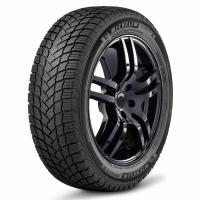 Continental IceContact 3 vs Michelin X Ice Snow
2-0 in 6 shared tests
vs
Continental IceContact 3 vs Michelin X Ice North 4
3-6 in 11 shared tests
vs
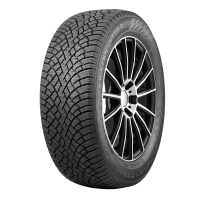 Continental IceContact 3 vs Nokian Hakkapeliitta R5
2-0 in 4 shared tests
Every Continental vs Goodyear test → All comparisons → Compare three or more tires →
Run either of these?
Your review is the part of this page no test can supply: how the tire wore, how it aged, what it was like in the rain in year three. It takes about five minutes.
Where this data comes from
Finishing positions and measurements are transcribed from each published test. A test only counts here when both tires ran in it, so every figure was recorded on the same car, size and day as the one it is compared to.
About the TR Score
The Tire Reviews Score rates each tire out of 10 from every independent test result and vetted owner review we hold, so two tires can be compared even before a test has run them together.
Who does the testing
Every test published as a Tire Reviews test is run by Jonathan Benson, who has been testing tires independently since 2007.
Discussion