Test Charts / Tire Reviews
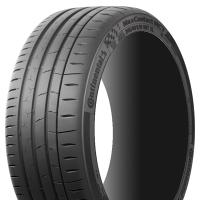
Michelin Pilot Sport Cup 2 VS Cup 2 R - Tested
Compare each discipline in the tested size. See the measured result, position and gap to the best tire, then read the verdict for the trade-offs behind the finishing order.
- Tested size
- 315/30 R21
- Tires tested
- 2
- Disciplines
- 4

Read the measurements, not just the rank
Lower is better for braking distances and lap times; higher is better for subjective scores and aquaplaning speed. Bars start at zero. Read the gap alongside the position: adjacent tires can be separated by very different margins.
Positions and gaps always refer to the full test field within each group. Selecting tires does not recalculate rankings or change the best-in-test benchmark.
Focus on your tires
Select tires to highlight them throughout the charts.
Positions and gaps always refer to the full test field within each group. Selecting tires does not recalculate rankings or change the best-in-test benchmark.
Dry
2Dry Braking
Dry braking in feet
Lower is better ↓| Tire | Result | Gap to best |
|---|---|---|
| 143 ft | Best | |
| 165 ft | +22 ft |
The difference between best and worst was 15.6% (22 ft ≈ 1.5 Car Lengths).
Dry Handling
Dry handling time in seconds
Lower is better ↓| Tire | Result | Gap to best |
|---|---|---|
| 71.8 s | Best | |
| 73.1 s | +1.30 s |
All the tires in the Dry Handling test finished less than 3% apart.

Wet
2Wet Braking
Wet braking in feet
Lower is better ↓| Tire | Result | Gap to best |
|---|---|---|
| 128 ft | Best | |
| 150 ft | +22 ft |
The difference between best and worst was 17.2% (22 ft ≈ 1.5 Car Lengths).
Wet Handling
Wet handling time in seconds
Lower is better ↓| Tire | Result | Gap to best |
|---|---|---|
| 104.77 s | Best | |
| 113.3 s | +8.53 s |
The difference between best and worst was 8.1% (8.53 s).
Test setup & methodology
The test setting, the conditions recorded and how the results contribute to the score.
Show full testing methodology
Score Weighting
Weights express the scoring priorities, not how much each discipline actually changed the finishing order. The size of the performance gaps matters too. Category weights contribute to the overall score. Within each category, discipline weights divide that category’s share. Published finishing positions also need to be read alongside the editorial verdict.
| Test | Within category | Share of overall score |
|---|---|---|
| Dry · 41% | ||
| Dry Braking | 50% | 20.5% |
| Dry Handling | 50% | 20.5% |
| Wet · 59% | ||
| Wet Braking | 50% | 29.5% |
| Wet Handling | 50% | 29.5% |
Our standard methods
The conditions above are recorded for this test. The descriptions below explain our standard procedures; measurement windows and run counts can vary by test.
Dry Braking
For dry braking, I drive the test vehicle at an entry speed of 110 km/h and apply full braking effort to a standstill with ABS active on clean, dry asphalt. I typically use an 100–5 km/h measurement window. My standard programme is five runs per tire set where possible, although the sequence can extend to as many as fifteen runs if conditions and tire category justify it. I analyze the full set of runs and discard statistical outliers before averaging. Reference tires are run repeatedly throughout the session to correct for changing conditions.
Dry Handling
For dry handling, I drive at the limit of adhesion around a dedicated handling circuit with ESC disabled where possible so I can assess the tire's natural balance, transient response, and limit behavior without electronic intervention masking the result. I usually complete between two and five timed laps per tire set, depending on the circuit, tire type, and consistency of conditions. I exclude laps affected by clear driver error or obvious environmental inconsistency. Control runs are carried out frequently throughout the session, and I often use multiple sets of control tires so that wear on the references does not become a meaningful variable. For more track-focused products, I also do endurance testing, which is a set number of laps at race pace to determine tire wear patterns and heat resistance over longer driving.
Wet Braking
For wet braking, I drive the test vehicle at an entry speed of 88 km/h and apply full braking effort to a standstill with ABS active on an asphalt surface with a controlled water film. I typically use an 80–5 km/h measurement window to isolate tire performance from variability in the initial brake application. My standard programme is eight runs per tire set where possible, although the sequence can extend to as many as fifteen runs if conditions and tire category justify it. I analyze the full set of runs and discard statistical outliers before averaging. To correct for changing conditions, I run reference tires repeatedly throughout the session — in wet testing, typically every three candidate test sets.
Wet Handling
For wet handling, I drive at the limit of adhesion around a dedicated handling circuit. I generally use specialist wet circuits with kerb-watering systems designed to maintain a consistent surface condition. ESC is disabled where possible so I can assess the tire's natural balance, transient response, and limit behavior without electronic intervention masking the result. I usually complete between two and five timed laps per tire set, depending on the circuit, tire type, and consistency of conditions. I exclude laps affected by clear driver error or obvious environmental inconsistency. Control runs are carried out frequently throughout the session, and I often use multiple sets of control tires so that wear on the references does not become a meaningful variable.
More tire tests
Cross-check this test
Where these tires were tested again, and how the verdict held up.
Michelin Range Test - CrossClimate 3, 3 Sport, Primacy 5, Pilot Sport 5 and Cup 2
225/40 R187 tires tested
2 of these 2 tires tested again
The BEST Track Day Tires for 2024
335/30 R216 tires tested
2 of these 2 tires tested again
2026 AutoView Sport Tire Test
225/45 R187 tires tested
Latest Summer Tires test