

Continental VikingContact 8 vs Pirelli Ice Friction
- TR Score
- 9.2/10
- Owners say
- 83% · 8
- TR Score
- 9.2/10
- Owners say
- 97% · 4
In the 3 independent tests that ran both tires, the Continental VikingContact 8 finished ahead 3 times and the Ice Friction not once. The VikingContact 8 used 1.4% less fuel; the Ice Friction resisted straight aquaplaning at a 7.3% higher speed.
Data updated

Which should you buy?
Choose Continental VikingContact 8 for colder climates with frequent ice and packed snow, prioritizing safety, predictability, and low noise. Choose Pirelli Ice Friction if your winter includes more wet and dry roads and you value sharper steering and aquaplaning resistance while still wanting strong snow/ice capability.
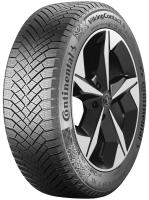
Where the VikingContact 8 is stronger
- Best-in-test ice performance (braking, traction, handling) with stable, predictable balance
- Very consistent across conditions; two overall test wins
- Low noise and refined ride with solid straight-line stability
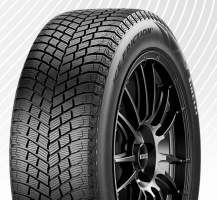
Where the Ice Friction is stronger
- Class-leading wet performance (shorter wet braking, strong wet handling, top aquaplaning in one test)
- Crisp steering and best dry-road subjectives
- Strong snow performance, close to leaders on ice
The bullet points are analysis of the shared tests and of owner reviews; the measured wins in each discipline are in the tables below. Where the two disagree, the figures are right.
VikingContact 8 vs Ice Friction at a glance
| Category | VikingContact 8 | Gap | Ice Friction |
|---|---|---|---|
| Shared tests won3 shared tests | 3 | 0 | |
| Dry4 measurements | 1 | 3 | |
| Wet7 measurements | 1 | The Ice Friction resisted straight aquaplaning at a 7.3% higher speed (3 tests) | 5 |
| Snow5 measurements | 2 | 1 | |
| Ice5 measurements | 4 | 0 | |
| Comfort3 measurements | 2 | 0 | |
| Value3 measurements | 2 | The VikingContact 8 used 1.4% less fuel (3 tests) | 1 |
| Tire Reviews Scoreevery test and review we hold | 9.2/10 | Level | 9.2/10 |
| Owner rating8 and 4 reviews | 83% | The Ice Friction by 14 points | 97% |
| Pricein the 3 tests that listed prices | +1.8% | The VikingContact 8 was dearer in 2 of 3 | Cheaper |
| Sizes madeEU label registrations | 123 | 46 sizes made in both | 51 |
Wins count every measurement the shared tests recorded for both tires; a tick marks the tire ahead on that line. Subjective driver scores count as wins but are never averaged, because each test uses its own scale.
Head to head in 3 tests, 2025 to 2026
Each row is one published test in which both tires ran on the same car, in the same size, on the same day. The line is the whole field, winner on the left.
| Test | VikingContact 8 | Field | Ice Friction |
|---|---|---|---|
| 2026 Teknikens Värld Studded, Nordic and Central European Winter Tire Test | P1 of 5 | P3 of 5 | |
| 2025 Friction Winter Tire Test | P1 of 8 | P2 of 8 | |
| 2025 Studded, Friction and European Winter Tire Test | P1 of 7 | P2 of 7 |

Performance profile
6 measurements from the 3 shared tests, each tire shown as its share of the better figure in every test.
Where each is furthest ahead
VikingContact 8
Ice Friction
Point at or tap any spoke for both tires' figures.
In each test the better of the two figures counts as 100% and the other as its share of it, so a 118 ft stop against 112 ft is 95%; each spoke averages the shared tests that recorded it. 13 measurements recorded in only one shared test are left off; every measurement is in the table further down.
Where each scores higher
VikingContact 8
Ice Friction
Point at or tap any spoke for both tires' figures.
Category scores are percentiles among tires of the same season and class: 90 means this tire out-performs 90% of them, measured across every test we hold, not only the ones it appeared in.
Where owners rate each higher
VikingContact 8
Not ahead in any category
Ice Friction
Point at or tap any spoke for both tires' figures.
Owners rate the VikingContact 8 83% from 8 reviews and the Ice Friction 97% from 4. Each spoke is one question owners answer out of 10; reviews are vetted by hand before publication.
Every measurement, side by side
Averages of the figures both tires posted in the same tests. The gap is the average of each test's own gap, so figures from different cars and years are never mixed. Open a discipline for its measurements, and a measurement for every test's figure.
| Measurement | VikingContact 8 | Gap | Ice Friction | Wins | ||||||||||||
|---|---|---|---|---|---|---|---|---|---|---|---|---|---|---|---|---|
| 146 | 1.8% | 143 | 0-1 | |||||||||||||
|
||||||||||||||||
| scored | 25% | scored | 0-1 | |||||||||||||
|
||||||||||||||||
| scored | 33.3% | scored | 1-0 | |||||||||||||
|
||||||||||||||||
| 43.5 | 1.4% | 44.1 | 0-1 | |||||||||||||
|
||||||||||||||||
| 165 | 2.9% | 160 | 0-1 | |||||||||||||
|
||||||||||||||||
| 62.9 | 1.4% | 62 | 0-1 | |||||||||||||
|
||||||||||||||||
| scored | 10% | scored | 1-0 | |||||||||||||
|
||||||||||||||||
| 37 | 7.3% | 39.6 | 0-3 | |||||||||||||
|
||||||||||||||||
| 40 | 1.3% | 39 | 0-1 | |||||||||||||
|
||||||||||||||||
| 1.92 | = | 1.92 | 0-0 | |||||||||||||
|
||||||||||||||||
| 69.2 | 0.4% | 69.5 | 1-0 | |||||||||||||
|
||||||||||||||||
| scored | 5.6% | scored | 1-0 | |||||||||||||
|
||||||||||||||||
| 39 | 0.9% | 39 | 1-0 | |||||||||||||
|
||||||||||||||||
| 5.24 | 3.7% | 5.44 | 1-0 | |||||||||||||
|
||||||||||||||||
| 56.9 | 3.9% | 59.2 | 1-0 | |||||||||||||
|
||||||||||||||||
| scored | 12.5% | scored | 1-0 | |||||||||||||
|
||||||||||||||||
| scored | 12.5% | scored | 1-0 | |||||||||||||
|
||||||||||||||||
| 69.1 | 1.2 dB | 70.3 | 1-0 | |||||||||||||
|
||||||||||||||||
| 6.02 | 1.4% | 6.1 | 2-1 | |||||||||||||
|
||||||||||||||||
Braking distances and lap times are better when lower; speeds, wear and grip figures when higher. A test's figures are its own: sizes, cars, surfaces and temperatures differ from one to the next, which is why the averages here are only ever of tests the two tires shared. "Scored" rows are subjective driver ratings: each test uses its own scale, so only the wins are counted.
Scores beyond the shared tests
On the Tire Reviews Score, which weighs every test and review we hold, the VikingContact 8 scores 9.2 and the Ice Friction 9.2 out of 10.
| VikingContact 8 | Category | Ice Friction | ||
|---|---|---|---|---|
| 77 | Dry | 86 | ||
| 47 | Wet | 84 | ||
| 92 | Comfort | 58 | ||
| 85 | Value | 55 | ||
| 81 | Snow | 93 | ||
| 91 | Ice | 77 | ||
Category scores are percentiles among tires of the same season and class: 90 means this tire out-performs 90% of them, measured across every test we hold, not only the ones it appeared in.
What owners say
| VikingContact 8 | Category | Ice Friction | ||
|---|---|---|---|---|
| 7.7 | Dry Grip | 9.5 | ||
| 8.5 | Wet Grip | 9 | ||
| 7.4 | Road Feedback | 9.8 | ||
| 7.5 | Handling | 10 | ||
| 7.8 | Wear | 10 | ||
| 9.1 | Comfort | 9.5 | ||
| 8.6 | Snow Grip | 10 | ||
| 9 | Ice Grip | 9.5 | ||
Owners rate the VikingContact 8 83% from 8 reviews and the Ice Friction 97% from 4. Reviews are vetted by hand before publication; ownership is not verified.
Continental VikingContact 8
- 83%from 8 reviews
- 88%would buy again
- 33,500 milesdriven by reviewers
Drivers overwhelmingly rate the Continental VikingContact 8 as an excellent Nordic-style winter tire, praising exceptional grip and confidence on ice and snow along with strong handling and braking in harsh conditions. Multiple reviews also highlight a quiet, comfortable ride with little to no tramlining. A minority view reports underwhelming stability/traction, suggesting performance may vary by vehicle or conditions.
- Exceptional ice and snow grip
- Confidence-inspiring handling and stability in winter conditions
- Quiet ride
- High comfort/impact absorption
Summarised by AI from 6 vetted reviews; the reviews themselves are on the tire page.
All 8 VikingContact 8 reviewsVery good grip in the snow and ice though cornering they did feel rather soft but that is expected of winter tires. I have no complaints as they handled the conditions I threw at them flawlessly. Drove through snow and ice covered roads in a snow storm with zero signs of losing grip during acceleration or through corners. They also handled slush covered roads excellently.
Pirelli Ice Friction
- 97%from 4 reviews
- 8,765 milesdriven by reviewers
All 4 Ice Friction reviewsMounted on a rwd Mercedes E class. This tire has convinced me that i will not buy studded tires in the future. These tires replaced Sailun studded tires that still had some life left in them and imidietly i felt like the change was worth it. The old tires would sometimes give me snap oversteer when going upp icy/snowy hills at around 50mph. This tire eliminated that and incriced my confidence alot driving in to an icelandic winter. Its extreamly smooth and quiet. More quiet than my goodyear summertires(19" rims). I just finished a 700mile roadtrip in a pretty sirious storm/blizzard and these tires were glued to the road with upp to a 70 to80 mph wind gust to the side of the car.
The only time i have ever wonderd that studs might have been better was on very thick smooth wet ice. Contitions that might be for 3 to 5 days here in iceland. Then i just drive slower...
The tires dont show any signs of wear. Never going back to studs.
Sizes, EU label and lineage
From the EU label registrations for each tire: 123 sizes of the VikingContact 8 and 51 of the Ice Friction, 46 of them made in both.
| Category | VikingContact 8 | Ice Friction |
|---|---|---|
| Season | Winter | Winter |
| Sizes made | 123 sizes, 15 to 22 inch | 51 sizes, 15 to 20 inch |
| Made in both | 46 sizes 185/65 R15195/65 R15205/55 R16205/60 R16215/60 R16215/65 R16215/55 R17215/60 R17215/65 R17225/45 R17225/50 R17225/55 R17and 34 more | |
| EU label wet grip | D100% | C100% |
| EU label rolling resistance | B65%A21%C14% | C60%B40% |
| EU label noise | 68-72 dB A99%B1% | 67-70 dB A100% |
| Severe snow (3PMSF) sizes | 159 of 159 | 73 of 73 |
| Replaced | Continental VikingContact 7 (2018) | Pirelli Ice Zero FR (2015) |
| Price in the shared tests | The VikingContact 8 was the dearer tire in 2 of the 3 tests that listed prices, by 1.8% on average. Each test priced the tires in its own market at the time; only the gap is comparable. | |
Label grades are shown as the share of registered sizes carrying each grade, so "B (88%), C (12%)" means most sizes are B. Grades vary by size; check the label for yours.
Reading the results
Written from the test results and owner reviews above. It is analysis, not a measurement: where it and the tables disagree, the tables are right.
This head-to-head pits two fresh Nordic friction winter tires aimed at premium passenger cars: Continental's VikingContact 8 and Pirelli's brand-new Ice Friction. Across two independent 2025 tests in 18-inch sizes, Continental took overall victory both times, while Pirelli delivered a standout debut with class-leading wet-road performance and sharp dry dynamics.
The data show a clear split in character. Pirelli tends to lead on rain-soaked asphalt-shorter wet and dry stopping distances, crisper steering, and the strongest aquaplaning resistance in one test-while Continental dominates pure winter surfaces, especially ice, where it offers best-in-test braking, traction, and handling with calm, predictable balance. Comfort and noise slightly favor Continental; rolling resistance is essentially a draw.
Conclusion
Continental VikingContact 8 is the more complete winter tool, winning both shared tests through consistent excellence and decisive superiority on ice. It combines high stability, quiet refinement, and dependable control at and beyond the limit-attributes that matter most when temperatures plummet and grip is scarce.
Pirelli Ice Friction counters with the most engaging dry feel and the strongest wet-road showing, plus competitive snow and near-front-running ice performance. If your winter skews milder, with frequent wet roads and mixed conditions, Pirelli's lively steering and aquaplaning resistance are compelling. For harsher Nordic conditions with frequent ice and packed snow, Continental is the safer, more confidence-inspiring choice-and the overall value winner by virtue of two test wins and balanced strengths.
VikingContact 8 vs Ice Friction: your questions
Is the Continental VikingContact 8 or the Pirelli Ice Friction the better tire?
In the 3 independent tests that ran both tires, the Continental VikingContact 8 finished ahead 3 times and the Ice Friction not once. On the Tire Reviews Score, which weighs every test and review we hold, the VikingContact 8 scores 9.2 and the Ice Friction 9.2 out of 10.
Which is better in the wet, the VikingContact 8 or the Ice Friction?
The Ice Friction led 5 of the 7 wet measurements the shared tests recorded. On average it resisted straight aquaplaning at a 7.3% higher speed across 3 tests.
Which is better in the dry?
The Ice Friction led 3 of the 4 dry measurements the shared tests recorded.
Which is better in snow?
The VikingContact 8 led 2 of the 5 snow measurements the shared tests recorded.
Which lasts longer and costs less to run?
The VikingContact 8 used 1.4% less fuel (3 tests). Owners rate wear 7.8/10 for the VikingContact 8 and 10/10 for the Ice Friction.
Which is quieter and more comfortable?
Owners rate comfort 9.1/10 for the VikingContact 8 and 9.5/10 for the Ice Friction.
What do owners say?
Owners rate the VikingContact 8 83% from 8 reviews and the Ice Friction 97% from 4.
Which is more expensive?
In the 3 tests that listed prices, the VikingContact 8 was the dearer tire in 2 of them, by 1.8% on average. Prices are the test's own at the time, in its own market.
Are they available in the same sizes?
The VikingContact 8 is made in 123 sizes (15 to 22 inch) and the Ice Friction in 51 (15 to 20 inch). 46 sizes are available in both. On the EU label the VikingContact 8 is graded D for wet grip and B for rolling resistance in most sizes; the Ice Friction C and C.
More comparisons with these tires
vs  Continental VikingContact 8 vs Michelin X Ice Snow
6-0 in 6 shared tests
vs
 Continental VikingContact 8 vs Nokian Hakkapeliitta R5
6-0 in 6 shared tests
vs
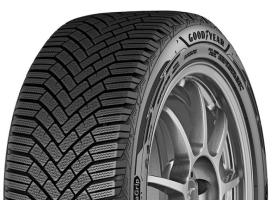 Continental VikingContact 8 vs Goodyear UltraGrip Ice 3
6-1 in 7 shared tests
vs
Goodyear UltraGrip Ice 3 vs Pirelli Ice Friction
1-1 in 3 shared tests
vs
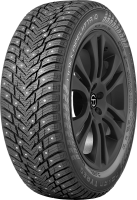 Continental VikingContact 8 vs Nokian Hakkapeliitta 10
2-0 in 4 shared tests
vs
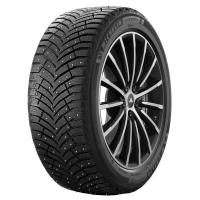 Continental VikingContact 8 vs Michelin X Ice North 4
2-0 in 4 shared tests
Every Continental vs Pirelli test → All comparisons → Compare three or more tires →
Run either of these?
Your review is the part of this page no test can supply: how the tire wore, how it aged, what it was like in the rain in year three. It takes about five minutes.
Where this data comes from
Finishing positions and measurements are transcribed from each published test. A test only counts here when both tires ran in it, so every figure was recorded on the same car, size and day as the one it is compared to.
About the TR Score
The Tire Reviews Score rates each tire out of 10 from every independent test result and vetted owner review we hold, so two tires can be compared even before a test has run them together.
Who does the testing
Every test published as a Tire Reviews test is run by Jonathan Benson, who has been testing tires independently since 2007.
Discussion