

Ceat SportDrive vs Yokohama Advan Sport V107
- TR Score
- 7.9/10
- Owners say
- -
- TR Score
- 8.8/10
- Owners say
- 73% · 25
In the 5 independent tests that ran both tires, the Yokohama Advan Sport V107 finished ahead 5 times and the SportDrive not once. The Advan Sport V107 stopped 6.5% shorter in the wet.
Data updated

Which should you buy?
Choose the Yokohama Advan Sport V107 if you want genuine UHP performance-shorter braking distances (dry and usually wet), stronger handling, and a bigger safety margin at speed or in heavy rain. Choose the Ceat SportDrive if your priority is lower running costs (notably longer wear and better efficiency/noise results in ADAC-style measures) and you drive more conservatively, accepting that wet grip and braking performance are generally a clear step behind the Yokohama.
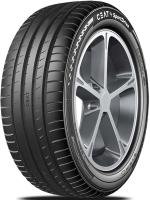
Where the SportDrive is stronger
- Lower running-cost profile in test data: strong wear in ADAC (45,100 km projected vs 34,300 km for V107) and lower abrasion (80.5 vs 95 mg/km/t)
- Efficiency-oriented results: better fuel consumption in ADAC (5.5 vs 5.7 l/100 km) and lower rolling resistance in Auto Express (7 vs 8.97 kg/t)
- Refinement advantage: quieter in both Auto Express subjective noise (9 vs 8.8) and ADAC noise (71.5 dB vs 72.9 dB)
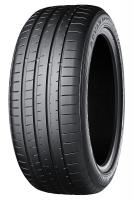
Where the Advan Sport V107 is stronger
- Consistently superior dry braking: wins 5/5 comparisons, typically ~5-11% shorter stopping distances (e.g., 34.0 m vs 38.3 m; 34.1 m vs 36.2 m)
- Stronger wet safety performance overall: wins 4/5 wet braking comparisons, often by large margins (e.g., 33.2 m vs 36.8 m; 25.4 m vs 28.3 m)
- Better handling pace and high-limit capability: quicker in dry handling (82.8 s vs 83.8 s) and wet handling (91.8 s vs 97.7 s) in Auto Express with more “UHP” grip and precision noted by testers
The bullet points are analysis of the shared tests and of owner reviews; the measured wins in each discipline are in the tables below. Where the two disagree, the figures are right.
SportDrive vs Advan Sport V107 at a glance
| Category | SportDrive | Gap | Advan Sport V107 |
|---|---|---|---|
| Shared tests won5 shared tests | 0 | 5 | |
| Dry6 measurements | 0 | The Advan Sport V107 stopped 7.2% shorter in the dry (5 tests) | 6 |
| Wet12 measurements | 2 | The Advan Sport V107 stopped 6.5% shorter in the wet (5 tests) | 9 |
| Comfort2 measurements | 2 | 0 | |
| Value4 measurements | 4 | 0 | |
| Tire Reviews Scoreevery test and review we hold | 7.9/10 | The Advan Sport V107 by 0.9 | 8.8/10 |
Wins count every measurement the shared tests recorded for both tires; a tick marks the tire ahead on that line. Subjective driver scores count as wins but are never averaged, because each test uses its own scale.
Head to head in 5 tests, 2023 to 2026
Each row is one published test in which both tires ran on the same car, in the same size, on the same day. The line is the whole field, winner on the left.
| Test | SportDrive | Field | Advan Sport V107 |
|---|---|---|---|
| 2026 Summer Braking Super Tire Test - How do 52 Tires Perform in Wet and Dry Braking? | P25 of 50 | P18 of 50 | |
| 2025 Auto Express Summer Tire Test | P9 of 9 | P7 of 9 | |
| 2025 ADAC Summer Tire Test | P12 of 18 | P6 of 18 | |
| 2025 Summer Tire Test Shootout | P28 of 52 | P14 of 52 | |
| 2023 Summer Tire Market Overview | P21 of 50 | P4 of 50 |

Performance profile
14 measurements from the 5 shared tests, each tire shown as its share of the better figure in every test.
Where each is furthest ahead
SportDrive
Advan Sport V107
Point at or tap any spoke for both tires' figures.
In each test the better of the two figures counts as 100% and the other as its share of it, so a 118 ft stop against 112 ft is 95%; each spoke averages the shared tests that recorded it.
Where each scores higher
SportDrive
Advan Sport V107
Point at or tap any spoke for both tires' figures.
Category scores are percentiles among tires of the same season and class: 90 means this tire out-performs 90% of them, measured across every test we hold, not only the ones it appeared in.
Every measurement, side by side
Averages of the figures both tires posted in the same tests. The gap is the average of each test's own gap, so figures from different cars and years are never mixed. Open a discipline for its measurements, and a measurement for every test's figure.
| Measurement | SportDrive | Gap | Advan Sport V107 | Wins | ||||||||||||||||||||
|---|---|---|---|---|---|---|---|---|---|---|---|---|---|---|---|---|---|---|---|---|---|---|---|---|
| 120 | 7.2% | 112 | 0-5 | |||||||||||||||||||||
|
||||||||||||||||||||||||
| 83.8 | 1.2% | 82.8 | 0-1 | |||||||||||||||||||||
|
||||||||||||||||||||||||
| 107 | 6.5% | 100 | 1-4 | |||||||||||||||||||||
|
||||||||||||||||||||||||
| 138 | 10.2% | 124 | 0-1 | |||||||||||||||||||||
|
||||||||||||||||||||||||
| 97.7 | 6% | 91.8 | 0-1 | |||||||||||||||||||||
|
||||||||||||||||||||||||
| 28.7 | 1.4% | 28.3 | 0-1 | |||||||||||||||||||||
|
||||||||||||||||||||||||
| 48.9 | 1.5% | 49.6 | 1-1 | |||||||||||||||||||||
|
||||||||||||||||||||||||
| 6 | 3.9% | 6.1 | 0-1 | |||||||||||||||||||||
|
||||||||||||||||||||||||
| scored | 2.3% | scored | 1-0 | |||||||||||||||||||||
|
||||||||||||||||||||||||
| 71.5 | 1.4 dB | 72.9 | 1-0 | |||||||||||||||||||||
|
||||||||||||||||||||||||
| 28,024 | 31.5% | 21,313 | 1-0 | |||||||||||||||||||||
|
||||||||||||||||||||||||
| 7 | 22% | 8.97 | 1-0 | |||||||||||||||||||||
|
||||||||||||||||||||||||
| 5.5 | 3.5% | 5.7 | 1-0 | |||||||||||||||||||||
|
||||||||||||||||||||||||
| 80.5 | 15.3% | 95 | 1-0 | |||||||||||||||||||||
|
||||||||||||||||||||||||
Braking distances and lap times are better when lower; speeds, wear and grip figures when higher. A test's figures are its own: sizes, cars, surfaces and temperatures differ from one to the next, which is why the averages here are only ever of tests the two tires shared. "Scored" rows are subjective driver ratings: each test uses its own scale, so only the wins are counted.
Scores beyond the shared tests
On the Tire Reviews Score, which weighs every test and review we hold, the SportDrive scores 7.9 and the Advan Sport V107 8.8 out of 10.
| SportDrive | Category | Advan Sport V107 | ||
|---|---|---|---|---|
| 68 | Dry | 97 | ||
| 45 | Wet | 76 | ||
| 76 | Comfort | 14 | ||
| 72 | Value | 5 | ||
Category scores are percentiles among tires of the same season and class: 90 means this tire out-performs 90% of them, measured across every test we hold, not only the ones it appeared in.
What owners say
| SportDrive | Category | Advan Sport V107 | ||
|---|---|---|---|---|
| - | Dry Grip | 8.7 | ||
| - | Wet Grip | 7.4 | ||
| - | Road Feedback | 8.5 | ||
| - | Handling | 8.4 | ||
| - | Wear | 5.5 | ||
| - | Comfort | 6.3 | ||
Owners rate the Advan Sport V107 73% from 25 reviews; the SportDrive has no owner reviews yet. Reviews are vetted by hand before publication; ownership is not verified.
Ceat SportDrive
No owner reviews yet. Be the first to review it →
Yokohama Advan Sport V107
- 73%from 25 reviews
- 54%would buy again
- 140,521 milesdriven by reviewers
Owners most consistently praise the Yokohama Advan Sport V107 for strong dry performance, with around three in five highlighting excellent dry grip and many also noting sharp steering and confident dry handling. Wet grip is generally rated as decent, though opinions are more mixed, with a small but notable group (around one in seven) finding it weaker, particularly in colder conditions. The biggest drawback is longevity: around two in five owners complain of very fast wear. Noise is another frequent issue, with around one in three reporting higher road roar, especially on rougher surfaces.
- Outstanding dry grip and confidence under power
- Very capable dry handling with strong feedback
- Direct, responsive steering feel
- Stiff, sporty sidewalls that support hard driving
- Very short tread life and rapid wear
- Noticeable road noise/roar, especially on coarse surfaces
- Needs heat or a bedding-in period to feel at its best
Summarised by AI from 24 vetted reviews; the reviews themselves are on the tire page.
All 25 Advan Sport V107 reviewsAmazing feel and handling, decent dry grip.
Awful comfort and wear rate.
Sizes, EU label and lineage
| Category | SportDrive | Advan Sport V107 |
|---|---|---|
| Season | Summer | Summer |
| On the market since | - | 2018 |
| Replaced | - | Yokohama Advan Sport V105 (2010) |
Reading the results
Written from the test results and owner reviews above. It is analysis, not a measurement: where it and the tables disagree, the tables are right.
This is a head-to-head between two ultra-high-performance summer tires with very different priorities in independent testing: the Ceat SportDrive (a value-leaning newcomer) versus the Yokohama Advan Sport V107 (a premium UHP fitment that's repeatedly benchmarked near the top of the class). Across five shared comparative datasets, Yokohama consistently places far higher overall (as high as 4/48) while Ceat typically lands mid-pack to lower (down to 9/9 in one test).
The pattern is clear: the Advan Sport V107 is built around braking and high-limit control-especially on dry roads-while the SportDrive's strengths are more “ownership” focused (noise, efficiency, mileage, and ADAC-style cost/value metrics). The key question for buyers is whether they want the most confident stopping and handling performance, or a tire that may cost less to run and last longer but gives up meaningful safety margin in demanding conditions.
Conclusion
On objective performance, the Yokohama Advan Sport V107 is the decisive winner. It wins all 5/5 dry braking comparisons, typically by a meaningful 5-11% (e.g., 34.0 m vs 38.3 m in Auto Express; 34.8 m vs 37.2 m in ADAC), and it also dominates wet braking in 4/5 shared results-often by large margins (e.g., 33.2 m vs 36.8 m in Auto Express; 25.4 m vs 28.3 m in the 2023 overview). Combine that with faster wet handling (91.8 s vs 97.7 s in Auto Express) and stronger dry handling, and the V107 is the tire that will feel more planted, more predictable, and more “premium-UHP” when you're driving quickly or when conditions turn tricky.
The Ceat SportDrive's case is primarily running costs and refinement rather than outright grip. In ADAC it shows notably stronger wear (45,100 km vs 34,300 km) and better measured fuel consumption (5.5 vs 5.7 l/100 km), plus it tends to test quieter (e.g., 71.5 dB vs 72.9 dB). It also posts lower rolling resistance in Auto Express (7 vs 8.97 kg/t). The trade-off is that multiple tests and tester notes flag limited wet grip/traction and below-average wet braking versus the top performers-differences that translate directly into longer stopping distances and reduced confidence. Practical takeaway: if you want UHP performance for enthusiastic driving and maximum safety margin, pick the Yokohama; if your priority is mileage/efficiency and you drive more conservatively, the Ceat can make sense, but it's not the stronger dynamic option in the wet.
SportDrive vs Advan Sport V107: your questions
Is the Ceat SportDrive or the Yokohama Advan Sport V107 the better tire?
In the 5 independent tests that ran both tires, the Yokohama Advan Sport V107 finished ahead 5 times and the SportDrive not once. On the Tire Reviews Score, which weighs every test and review we hold, the SportDrive scores 7.9 and the Advan Sport V107 8.8 out of 10.
Which is better in the wet, the SportDrive or the Advan Sport V107?
The Advan Sport V107 led 9 of the 12 wet measurements the shared tests recorded. On average it stopped 6.5% shorter in the wet across 5 tests.
Which is better in the dry?
The Advan Sport V107 led 6 of the 6 dry measurements the shared tests recorded. On average it stopped 7.2% shorter in the dry across 5 tests.
What do owners say?
Owners rate the Advan Sport V107 73% from 25 reviews; the SportDrive has no owner reviews yet.
More comparisons with these tires
 vs
Michelin Pilot Sport 5 vs Yokohama Advan Sport V107
9-1 in 10 shared tests
 vs
Goodyear Eagle F1 Asymmetric 6 vs Yokohama Advan Sport V107
9-0 in 9 shared tests
 vs
Bridgestone Potenza Sport vs Yokohama Advan Sport V107
7-0 in 7 shared tests
 vs
Continental PremiumContact 7 vs Yokohama Advan Sport V107
6-1 in 7 shared tests
 vs
Continental SportContact 7 vs Yokohama Advan Sport V107
2-1 in 3 shared tests
 vs
Kumho Ecsta PS71 vs Yokohama Advan Sport V107
3-2 in 5 shared tests
 vs
Hankook Ventus Evo vs Yokohama Advan Sport V107
5-0 in 5 shared tests
 vs
Pirelli P Zero PZ5 vs Yokohama Advan Sport V107
1-1 in 2 shared tests
Run either of these?
Your review is the part of this page no test can supply: how the tire wore, how it aged, what it was like in the rain in year three. It takes about five minutes.
Where this data comes from
Finishing positions and measurements are transcribed from each published test. A test only counts here when both tires ran in it, so every figure was recorded on the same car, size and day as the one it is compared to.
About the TR Score
The Tire Reviews Score rates each tire out of 10 from every independent test result and vetted owner review we hold, so two tires can be compared even before a test has run them together.
Who does the testing
Every test published as a Tire Reviews test is run by Jonathan Benson, who has been testing tires independently since 2007.
Discussion