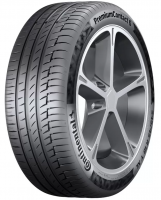
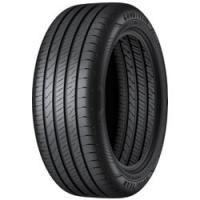
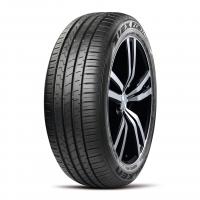
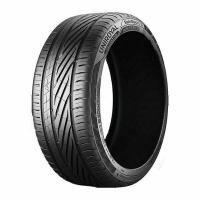
Do you want to know what tire is best for every day, real world driving? In this test we take eleven of the very best 205/55 R16 tires on the market, plus a well regarded budget tire, to see exactly what tire performs best in the dry, wet, comfort, noise and rolling resistance tests!
Testing Methodology
Test Driver
Jonathan Benson
Tire Size
205/55 R16
Test Location
Professional Proving Ground
Test Year
2020
Tires Tested
12
Show full testing methodologyHide methodology
Every tire is tested using calibrated instrumented measurement and structured subjective assessment. Reference tires are retested throughout each session to correct for changing conditions, ensuring fair, repeatable comparisons. Multiple reference sets are used where needed so that control tire wear does not affect accuracy.
We use professional-grade testing equipment including GPS data loggers, accelerometers, and calibrated microphones. All tires are broken in and conditioned before testing begins. For full details on our equipment, preparation process, and calibration procedures, see our complete testing methodology.
Categories Tested
Dry Braking
For dry braking, I drive the test vehicle at an entry speed of 110 km/h and apply full braking effort to a standstill with ABS active on clean, dry asphalt. I typically use an 100–5 km/h measurement window. My standard programme is five runs per tire set where possible, although the sequence can extend to as many as fifteen runs if conditions and tire category justify it. I analyse the full set of runs and discard statistical outliers before averaging. Reference tires are run repeatedly throughout the session to correct for changing conditions.
Dry Handling
For dry handling, I drive at the limit of adhesion around a dedicated handling circuit with ESC disabled where possible so I can assess the tire's natural balance, transient response, and limit behaviour without electronic intervention masking the result. I usually complete between two and five timed laps per tire set, depending on the circuit, tire type, and consistency of conditions. I exclude laps affected by clear driver error or obvious environmental inconsistency. Control runs are carried out frequently throughout the session, and I often use multiple sets of control tires so that wear on the references does not become a meaningful variable. For more track-focused products, I also do endurance testing, which is a set number of laps at race pace to determine tire wear patterns and heat resistance over longer driving.
Subj. Dry Handling
Objective data is only part of the picture, so I also carry out a structured subjective handling assessment at the limit of adhesion on a dedicated dry handling circuit. I score steering precision, steering response, turn-in behaviour, mid-corner balance, corner-exit traction, breakaway characteristics, and overall confidence using a standardised 1–10 scale used consistently across my testing. The final assessment combines numeric scoring with written technical commentary. I complete familiarisation laps on the control tire before evaluating each candidate.
Wet Braking
For wet braking, I drive the test vehicle at an entry speed of 88 km/h and apply full braking effort to a standstill with ABS active on an asphalt surface with a controlled water film. I typically use an 80–5 km/h measurement window to isolate tire performance from variability in the initial brake application. My standard programme is eight runs per tire set where possible, although the sequence can extend to as many as fifteen runs if conditions and tire category justify it. I analyse the full set of runs and discard statistical outliers before averaging. To correct for changing conditions, I run reference tires repeatedly throughout the session — in wet testing, typically every three candidate test sets.
Wet Handling
For wet handling, I drive at the limit of adhesion around a dedicated handling circuit. I generally use specialist wet circuits with kerb-watering systems designed to maintain a consistent surface condition. ESC is disabled where possible so I can assess the tire's natural balance, transient response, and limit behaviour without electronic intervention masking the result. I usually complete between two and five timed laps per tire set, depending on the circuit, tire type, and consistency of conditions. I exclude laps affected by clear driver error or obvious environmental inconsistency. Control runs are carried out frequently throughout the session, and I often use multiple sets of control tires so that wear on the references does not become a meaningful variable.
Subj. Wet Handling
Objective data is only part of the picture, so I also carry out a structured subjective handling assessment at the limit of adhesion on a dedicated wet handling circuit. I score steering precision, steering response, turn-in behaviour, mid-corner balance, aquaplaning resistance, breakaway characteristics, and overall confidence using a standardised 1–10 scale used consistently across my testing. The final assessment combines numeric scoring with written technical commentary. I complete familiarisation laps on the control tire before evaluating each candidate.
Straight Aqua
To measure straight-line aquaplaning resistance, I drive one side of the vehicle through a water trough of controlled depth, typically around 7 mm, while the opposite side remains on dry pavement. I enter at a fixed speed and then accelerate progressively. I define aquaplaning onset as the point at which the wheel travelling through the water exceeds a specified slip threshold relative to the dry-side reference wheel. I usually perform four runs per tire set and average the valid results.
Subj. Comfort
To assess comfort, I drive on a wide range of road surfaces (often dedicated comfort tracks at test facilities) at speeds from 50 to 120 km/h, including smooth motorway, coarse surfaces, expansion joints, broken pavement, and sharp-edged obstacles. I evaluate primary ride quality, secondary ride quality, impact harshness, seat-transmitted vibration, and the tire's ability to absorb sharp inputs. Ratings are assigned on a 1–10 scale relative to the reference tire.
Noise
For cabin noise assessment, I drive at controlled speeds, typically 50, 80, 100, and 120 km/h, on NVH test surfaces with defined texture characteristics. Calibrated microphones are positioned at ear height within the cabin. Measurements are taken using A-weighting, with one-third octave analysis where required to identify tonal features such as cavity resonance. Windows remain closed, ventilation is off, and ambient conditions are controlled so the data reflects the tire rather than external interference.
Rolling Resistance
Rolling resistance is measured under controlled laboratory conditions in accordance with ISO 28580 and UNECE Regulation 117 Annex 6. The tire is mounted on a test wheel and loaded against a large-diameter steel drum. After thermal stabilisation at the prescribed test speed, rolling resistance force is measured at the spindle and corrected according to the relevant procedure. The result is expressed as rolling resistance coefficient, typically in kg/tonne.
It's the Tire Reviews long overdue, 16" tire test! The 16" tires is the most popular size in the world, and is fitted to a large percentage of "daily" cars, so this test will hopefully be relevant to a large number of drivers!
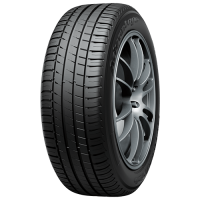
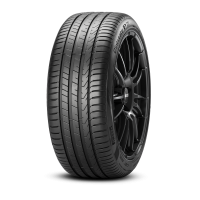
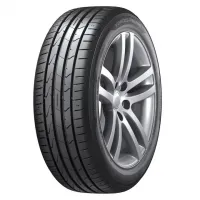
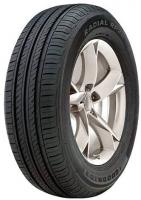
In this test we have twelve of the most popular tires on the market, including the multiple test winning Continental PremiumContact 6 and Michelin Primacy 4, going up against the new Goodyear EfficientGrip Performance 2, Pirelli Cinturato P7 C2, Uniroyal RainSport 5 and BFGoodrich Advantage, with the usual tires from Falken, Nokian, Bridgestone, Maxxis, Hankook and Goodride.
All twelve tires will be tested in dry and wet handling, dry and wet braking, aquaplaning, internal cabin noise and fuel use, and have subjective grades given to their dry and wet handling, and most importantly for this type of tire, their comfort levels.
The overall score will be weighted as 35% dry (35% lap time, 10% subjective, 55% braking), 50% wet (35% lap time, 5% subjective, 55% braking, 5% aquaplaning), 7.5% NVH (50% internal noise, 50% comfort) and 7.5% value (80% rolling resistance, 20% price), however if you prefer qualities such as subjective dry handling over wet braking, all the data will be below to allow you to make your own purchase decision.
As always, any questions, please ask below!
Dry
You might not think the dry performance of a 16" tire is important, but dry braking and handling show you exactly how much grip each tire will have in an emergency situation, where you lean on the tire more than normal.
For dry braking, the Continental had the advantage over a very close group, with the Pirelli, Falken, and Nokian joint second! Uniroyal, Hankook and Goodride all had longer than ideal dry stopping distances.
Dry Braking
Spread: 3.30 M (9.6%)|Avg: 35.18 M
Dry braking in meters (Lower is better)
Continental Premium Contact 6
34.20 M
Pirelli Cinturato P7 C2
34.50 M
Nokian WetProof
34.50 M
Falken ZIEX ZE310 EcoRun
34.50 M
Bridgestone Turanza T005
34.80 M
Michelin Primacy 4
34.90 M
Maxxis Premitra HP5
35.00 M
Goodyear EfficientGrip Performance
35.10 M
BFGoodrich Advantage
35.10 M
Uniroyal RainSport 5
35.70 M
Hankook Ventus Prime 3 K125
36.30 M
Goodride RP28
37.50 M
The new Goodyear EfficientGrip Performance 2 was the fastest tire round dry handling, with the joint second placed Continental and Maxxis both having the best subjective handling feel.
Dry Handling
Spread: 2.84 s (2.8%)|Avg: 102.15 s
Dry handling time in seconds (Lower is better)
Goodyear EfficientGrip Performance
101.17 s
Maxxis Premitra HP5
101.25 s
Continental Premium Contact 6
101.25 s
Falken ZIEX ZE310 EcoRun
101.47 s
Bridgestone Turanza T005
101.67 s
Hankook Ventus Prime 3 K125
102.05 s
Nokian WetProof
102.24 s
Pirelli Cinturato P7 C2
102.32 s
Michelin Primacy 4
102.57 s
Uniroyal RainSport 5
102.77 s
BFGoodrich Advantage
103.07 s
Goodride RP28
104.01 s
Subj. Dry Handling
Spread: 3.00 Points (30%)|Avg: 8.47 Points
Subjective Dry Handling Score (Higher is better)
Maxxis Premitra HP5
10.00 Points
Continental Premium Contact 6
10.00 Points
Pirelli Cinturato P7 C2
9.40 Points
Goodyear EfficientGrip Performance
9.00 Points
Nokian WetProof
9.00 Points
Bridgestone Turanza T005
8.60 Points
Michelin Primacy 4
8.60 Points
Falken ZIEX ZE310 EcoRun
8.00 Points
Hankook Ventus Prime 3 K125
7.50 Points
Goodride RP28
7.50 Points
Uniroyal RainSport 5
7.00 Points
BFGoodrich Advantage
7.00 Points
Wet
Wet braking had three tires significantly ahead of the rest, with Falken, Continental And Uniroyal all having over 2 meters to the next best tire on test. Again, Hankook and Goodride struggled with grip levels.
Wet Braking
Spread: 10.10 M (28.3%)|Avg: 39.40 M
Wet braking in meters (Lower is better)
Falken ZIEX ZE310 EcoRun
35.70 M
Continental Premium Contact 6
36.10 M
Uniroyal RainSport 5
36.10 M
Goodyear EfficientGrip Performance
38.10 M
BFGoodrich Advantage
38.90 M
Nokian WetProof
39.00 M
Michelin Primacy 4
39.80 M
Pirelli Cinturato P7 C2
39.90 M
Maxxis Premitra HP5
40.30 M
Bridgestone Turanza T005
41.00 M
Hankook Ventus Prime 3 K125
42.10 M
Goodride RP28
45.80 M
With a couple of deeper parts of water on track, the wet handling test favoured the tires with higher levels of aquaplaning resistance, meaning the Continental couldn't match its excellent wet braking result.
Wet Handling
Spread: 6.90 s (9.9%)|Avg: 71.24 s
Wet handling time in seconds (Lower is better)
Maxxis Premitra HP5
69.86 s
Nokian WetProof
69.95 s
Goodyear EfficientGrip Performance
70.04 s
Bridgestone Turanza T005
70.05 s
Falken ZIEX ZE310 EcoRun
70.09 s
Uniroyal RainSport 5
70.39 s
Pirelli Cinturato P7 C2
70.88 s
Michelin Primacy 4
70.97 s
Continental Premium Contact 6
71.64 s
BFGoodrich Advantage
71.93 s
Hankook Ventus Prime 3 K125
72.28 s
Goodride RP28
76.76 s
Subj. Wet Handling
Spread: 5.00 Points (50%)|Avg: 8.42 Points
Subjective Wet Handling Score (Higher is better)
Maxxis Premitra HP5
10.00 Points
Pirelli Cinturato P7 C2
10.00 Points
Goodyear EfficientGrip Performance
9.20 Points
Nokian WetProof
8.80 Points
BFGoodrich Advantage
8.60 Points
Falken ZIEX ZE310 EcoRun
8.60 Points
Hankook Ventus Prime 3 K125
8.60 Points
Michelin Primacy 4
8.60 Points
Bridgestone Turanza T005
8.60 Points
Uniroyal RainSport 5
7.50 Points
Continental Premium Contact 6
7.50 Points
Goodride RP28
5.00 Points
Only the budget Goodride had worse aquaplaning resistance than the two premium Continental and Goodyear tires, with the Uniroyal RainSport 5 once again proving its unique tread pattern was the best way to clear water.
Straight Aqua
Spread: 19.54 Km/H (21.3%)|Avg: 81.61 Km/H
Float Speed in Km/H (Higher is better)
Uniroyal RainSport 5
91.62 Km/H
Maxxis Premitra HP5
85.22 Km/H
Michelin Primacy 4
82.86 Km/H
Falken ZIEX ZE310 EcoRun
82.61 Km/H
Hankook Ventus Prime 3 K125
82.53 Km/H
Pirelli Cinturato P7 C2
82.02 Km/H
Nokian WetProof
81.26 Km/H
Bridgestone Turanza T005
81.18 Km/H
BFGoodrich Advantage
80.93 Km/H
Continental Premium Contact 6
78.48 Km/H
Goodyear EfficientGrip Performance
78.48 Km/H
Goodride RP28
72.08 Km/H
Comfort
Comfort is an important quality for a 16" tire, and the BFGoodrich and Michelin pair had a significant advantage over the bumps and road imperfections.
Subj. Comfort
Spread: 1.80 Points (18%)|Avg: 9.03 Points
Subjective Comfort Score (Higher is better)
BFGoodrich Advantage
10.00 Points
Michelin Primacy 4
9.80 Points
Nokian WetProof
9.40 Points
Goodyear EfficientGrip Performance
9.40 Points
Uniroyal RainSport 5
9.00 Points
Bridgestone Turanza T005
9.00 Points
Hankook Ventus Prime 3 K125
9.00 Points
Continental Premium Contact 6
8.80 Points
Goodride RP28
8.80 Points
Maxxis Premitra HP5
8.80 Points
Falken ZIEX ZE310 EcoRun
8.20 Points
Pirelli Cinturato P7 C2
8.20 Points
We tested internal noise levels rather than external, averaging the noise from two different road surfaces at two different speeds, giving you a true picture of how loud a tire is to the driver. Again, the BFGoodrich had a clear advantage.
Noise
Spread: 1.10 dB (1.8%)|Avg: 61.75 dB
Internal noise in dB (Lower is better)
BFGoodrich Advantage
61.20 dB
Goodyear EfficientGrip Performance
61.40 dB
Pirelli Cinturato P7 C2
61.50 dB
Bridgestone Turanza T005
61.50 dB
Uniroyal RainSport 5
61.60 dB
Falken ZIEX ZE310 EcoRun
61.60 dB
Michelin Primacy 4
61.60 dB
Goodride RP28
61.90 dB
Continental Premium Contact 6
62.10 dB
Hankook Ventus Prime 3 K125
62.10 dB
Nokian WetProof
62.20 dB
Maxxis Premitra HP5
62.30 dB
Value
The Bridgestone Turanza T005 once again aced the rolling resistance test, finishing top, but the new Goodyear EfficientGrip Performance 2 was a close second.
Rolling Resistance
Spread: 2.63 kg / t (36.6%)|Avg: 8.64 kg / t
Rolling resistance in kg t (Lower is better)
Bridgestone Turanza T005
7.19 kg / t
Goodyear EfficientGrip Performance
7.28 kg / t
Michelin Primacy 4
8.08 kg / t
BFGoodrich Advantage
8.34 kg / t
Continental Premium Contact 6
8.37 kg / t
Nokian WetProof
8.44 kg / t
Goodride RP28
8.81 kg / t
Uniroyal RainSport 5
8.85 kg / t
Hankook Ventus Prime 3 K125
8.98 kg / t
Pirelli Cinturato P7 C2
9.76 kg / t
Maxxis Premitra HP5
9.77 kg / t
Falken ZIEX ZE310 EcoRun
9.82 kg / t
At the time of test, the budget Goodride was the cheapest tire to buy, and the Michelin the most expensive.
Price
Spread: 111.00 (71.2%)|Avg: 213.92
Price in local currency (Lower is better)
Goodride RP28
156.00
Hankook Ventus Prime 3 K125
187.00
Uniroyal RainSport 5
191.00
Falken ZIEX ZE310 EcoRun
192.00
Nokian WetProof
201.00
Maxxis Premitra HP5
205.00
Bridgestone Turanza T005
218.00
Goodyear EfficientGrip Performance
224.00
BFGoodrich Advantage
236.00
Pirelli Cinturato P7 C2
238.00
Continental Premium Contact 6
252.00
Michelin Primacy 4
267.00
Sadly, we couldn't test wear, however there are plenty of other tests on Tire Reviews, along with user reviews, showing the wear rates of most of these tires.
Excellent dry grip with sporty handling and the shortest dry braking distances. Very short wet braking distances.
Low aquaplaning resistance, average comfort, relatively high noise levels, high price.
Once again the braking advantage of the Premium Contact 6 secures it a test win, however it was very close at the top. If you prefer driving dynamics over comfort, this is the tire to pick.
The new EfficientGrip Performance 2 is a very well rounded tire with excellent grip in the dry and wet, low levels of noise, high levels of comfort, very low rolling resistance and well priced.
Low aquaplaning resistance and slightly long braking distances in the dry and wet cost it victory.
An extremely well rounded tire with no major weaknesses, other than aquaplaning. Good levels of comfort and low fuel use make this an excellent tire for real world driving.
Excellent, balanced results in the dry, with the shortest wet braking distances on test and good aquaplaning resistance. Low noise levels and well priced.
Low subjective comfort and the highest rolling resistance on test.
A very strong performance for the Falken ZIEX ZE310, with good grip in the dry and wet.
Highest resistance to aquaplaning, very short wet braking, good comfort, well priced.
Low grip in dry handling, extended dry braking, poor subjective handling, average rolling resistance.
The new RainSport 5 remains a tire that prioritises wet performance above all else, and is a great choice if you live in a climate with a lot of rainfall.
Excellent dry braking, low noise levels, good subjective handling in the dry and wet.
Average dry and wet handling and long wet braking, average comfort and high rolling resistance.
The new P7 C2 is a great update to the P7, with an excellent dry grip and sporty handling. If the wet performance was a little better it would have been near the very top of the test.
Good grip in dry handling, good levels of comfort, well priced.
Long dry braking, poor wet grip, high rolling resistance.
If price is important to you, this might be a good option, but the Prime 3 is soon to be replaced by a much improved version, so we recommend waiting for that.